VnCommEx
Hợp tác xuất khẩu SUBSCRIBE
VnCommEx
Hợp tác xuất khẩu SUBSCRIBE
  • VCE
  • Product Catalogue
  • Market Insight
    • Wood & Furniture
    • Garment & Footwear
    • Food & Spicy Industry
    • Fruit & Vegetable
    • Others
    • Market Insights
  • Vietnam Market
    • Vietnam Commodity Market Price
    • Vietnam Export Data
    • Vietnam in FTA
  • Publication
  • About Us
  • English
    • 中文 (中国)
    • Tiếng Việt
VnCommEx
VnCommEx
  • VCE
  • Product Catalogue
  • Market Insight
    • Wood & Furniture
    • Garment & Footwear
    • Food & Spicy Industry
    • Fruit & Vegetable
    • Others
    • Market Insights
  • Vietnam Market
    • Vietnam Commodity Market Price
    • Vietnam Export Data
    • Vietnam in FTA
  • Publication
  • About Us
  • English
    • 中文 (中国)
    • Tiếng Việt
All Right Reserved. Designed and Developed by PenciDesign
Fruit & Vegetable

Desiccated Coconut Market: Trends, Growth & Future Outlook

by Henry Truong February 1, 2025
written by Henry Truong

What is the current state of the global desiccated coconut market?

The global desiccated coconut market is currently experiencing robust growth, primarily fueled by increasing consumer demand for natural and unprocessed food products. As health consciousness rises, more consumers are seeking organic and clean-label options, making desiccated coconut a highly sought-after ingredient. This trend underscores the critical importance of quality and safety in its production, as detailed in our article on ensuring quality in desiccated coconut production.

Market Size and Growth

The global desiccated coconut market was valued at approximately US$4.5 billion in 2023 and is projected to reach US$7.8 billion by 2032, growing at a CAGR of 6.5%. This growth highlights the increasing awareness of coconut’s health benefits and the demand for natural ingredients.

By 2024, the desiccated coconut market is estimated to reach US$9.77 billion, with a CAGR of 3.6% from 2025 to 2030. This demand is especially strong in developed markets, including North America, Europe, and parts of Asia, driven by the trend toward healthy, natural foods.

To explore the key coconut-exporting countries and the current market landscape, check out this detailed analysis.

Key Growth Drivers

  • Natural Food Demand: Consumers are increasingly seeking unprocessed and natural foods like desiccated coconut, which offers all-natural ingredients without preservatives.
  • Organic and Clean-Label Trends: Desiccated coconut is becoming a key ingredient in organic and clean-label products, fueling market growth, particularly in snacks, processed foods, and home-cooked meals.
  • Health and Wellness: High in healthy fats, fiber, and vitamin E, desiccated coconut is ideal for health-conscious diets like keto and paleo. This has opened up significant opportunities for product innovation. 

To discover the full range of uses of desiccated coconut and its health benefits, visit this article.

With promising growth, manufacturers of desiccated coconut have an excellent opportunity to expand, particularly in regions focused on natural and organic foods, such as North America, Europe, and developed markets in Asia. The quality and natural appeal of desiccated coconut from major producing countries, including Vietnam, the Philippines, and Indonesia, will continue to support this growth.


What are the latest global import trends for desiccated coconut?

From 2014 to 2021, the desiccated coconut market experienced steady growth. In 2014, global imports reached 420,373 tons, and by 2021, this figure increased to 517,302 tons, marking a 23% growth. The main drivers of this growth include:

From 2014 to 2021, the desiccated coconut market experienced steady growth. In 2014, global imports reached 420,373 tons, and by 2021, this figure increased to 517,302 tons, marking a 23% growth.
The main drivers of this growth include:

  • Demand for natural ingredients: Increasing global consumer preference for plant-based foods, which are seen as healthier alternatives to animal fats.
  • Food and confectionery industry: Desiccated coconut is commonly used in the production of cakes, candies, and jams, all of which saw rising demand in the rapidly growing food industry.

Import Decline (2022-2023)

After the growth peak in 2021, the global desiccated coconut import market saw a significant decline in 2022 and 2023:

  • 2022: Global imports fell to 466,941 tons, a decrease of 9.7% compared to 2021.
  • 2023: Forecasted to decrease further to 405,297 tons, representing a 13% drop from 2022.

Main Reasons:

  • Declining demand in major markets:
    • EU27: Imports are expected to fall by 20%, from 118,291 tons in 2022 to 94,763 tons in 2023.
    • United States: Imports are expected to decline by 22%, from 54,372 tons in 2022 to 42,405 tons in 2023.
  • Global economic pressures: Rising inflation and living costs have reduced consumer spending, especially on non-essential goods.

How have desiccated coconut prices changed in key producing countries?

In 2023, prices of desiccated coconut in major producing countries experienced a significant decline. For instance, the average price in the Philippines dropped to USD 1,787/ton, a 27% decrease from 2022, while Indonesia saw a 21% fall to USD 1,431/ton, and Sri Lanka’s price decreased by 14% to USD 1,614/ton. This decline was largely attributed to weak import demand from major markets like the EU and the United States.

In 2023, prices of desiccated coconut in major producing countries decreased significantly:

  • Philippines: Average price dropped to USD 1,787/ton, a 27% decrease from 2022.
  • Indonesia: Price fell to USD 1,431/ton, a 21% decrease.
  • Sri Lanka: Price dropped to USD 1,614/ton, a 14% decrease.
    The price decline is largely attributed to weak import demand from major markets like the EU and the United States.

Price Recovery in 2024

As global demand begins to recover and supply tightens, prices in major producing countries are expected to rise in 2024:

  • Philippines: Price is expected to reach USD 1,911/ton, a 4.5% increase year-over-year.
  • Indonesia: Price is forecasted at USD 1,999/ton, reflecting a 35.6% increase.
  • Sri Lanka: Price is anticipated to rise to USD 2,050/ton, a 30.5% increase.
  • Vietnam: The price of desiccated coconut in Vietnam fluctuates between USD 1,300 – 1,500/ton, offering a competitive advantage compared to other major producing countries.

Which countries are the biggest consumers of desiccated coconut?

The European Union (EU27) stands as the largest global importer of desiccated coconut, demonstrating consistent growth in imports from 2014 to 2022. Starting at 103,376 tons in 2014, imports peaked at 118,291 tons in 2022. Although imports saw a slight decrease to 112,288 tons in 2023 due to lower consumer demand, the EU remains a crucial market, driven by its increasing interest in sustainable and health-conscious products.

  • 2014: 103,376 tons.
  • 2022: Peaked at 118,291 tons.
  • 2023: Imports decreased slightly to 112,288 tons, attributed to lower consumer demand. Despite this, the EU remains a key market due to its growing interest in sustainable and health-conscious products.

United States: The US market has shown a more volatile trend, with declining imports in recent years:

  • 2014: 52,259 tons.
  • 2023: Imports are forecast to fall to 42,405 tons, a 19% decrease from 2014. The decline is due to competition from substitute products and economic challenges impacting consumer spending.

Overall, while global imports of desiccated coconut have slowed in recent years due to various economic pressures, the market remains promising, with key regions like the EU and the US continuing to be important players despite temporary setbacks.

Year World EU27 US
2014 420,373 103,376 52,259
2015 440,774 94,421 53,696
2016 423,896 104,508 48,107
2017 439,129 111,551 46,590
2018 458,789 108,320 48,067
2019 451,727 103,385 45,531
2020 483,005 100,657 41,056
2021 535,584 115,103 53,568
2022 505,905 118,291 54,372
2023 464,360 112,288 38,741
Jan-Mar 2024 78,902 22,806 7,759

Although the global desiccated coconut market has faced some recent challenges, such as declining import demand in key markets and falling prices in major producing countries, the growth potential remains promising. The expected recovery in 2024, combined with the ongoing trend of natural and organic foods, will continue to drive the industry’s expansion. Producers in Vietnam, the Philippines, and Indonesia, with their competitive product quality, have a strong opportunity to leverage this growth and solidify their positions in the global market.

See more: 

  • Dried Coconut Development in Vietnam: Driving Export Growth
  • Top Coconut Exporting Countries: Market Landscape
February 1, 2025 0 comment
0 FacebookTwitterLinkedinWhatsapp
Fruit & Vegetable

Top Mango Exporting Countries in 2024: Market Outlook

by Henry Truong January 29, 2025
written by Henry Truong

By 2028, forecasts predict the mango market will reach USD 89.55 billion, growing at a compound annual growth rate (CAGR) of 7.1% from 2024 to 2028. E-commerce expansion is one of the key growth drivers, making global market access easier for producers. Population growth and the rising consumption power in developing countries are also contributing significantly. Furthermore, government policies promoting agricultural production and exports are set to boost market expansion.

With its growth potential, many mango-producing nations stand to benefit significantly. Countries with strong mango production capabilities, along with access to advanced technology and international markets, are poised to continue leading the global mango supply chain. Below is a detailed look at the top mango-exporting countries, which play a critical role in shaping the future of the global mango market.

Which country is the world’s largest mango producer and exporter?

India is the dominant force in the global mango industry, producing and exporting half of the world’s mangoes. In the 2023-2024 crop year, India produced 22.4 million tonnes of mangoes from 2.41 million hectares, a 2.34% increase from the previous year. Key mango-growing regions like Andhra Pradesh, Uttar Pradesh, and Maharashtra provide the ideal climate and soil for high-quality varieties, catering to both domestic consumption and international export markets.

For the 2025 harvest season, mango prices in India are projected to range between USD 45.55 and USD 53.86 per quintal, with the harvest season running from March to May. India’s vast production capacity and superior mango quality ensure its continued position as the top mango producer and exporter globally. In the 2023-2024 period, India exported 32,104 tonnes of fresh mangoes, valued at USD 60.14 million. Key export markets for Indian mangoes include the UAE, the UK, the US, Kuwait, and Qatar.

How has China become a major mango exporter?

China has rapidly emerged as the second-largest mango exporter globally, driven by a significant surge in output and planting area. From 2014 to 2023, the country’s mango output soared from 1.063 million tons to 3.958 million tons, marking a remarkable 272.24% growth. This expansion is also reflected in the mango planting area, which reached 5.619 million mu in 2023, a 152.45% increase since 2012, contributing to an output value of 21.14 billion yuan in 2023.

Regarding exports, data from China’s General Administration of Customs reveals that in October 2024, China exported 3,632 tons of mangoes, valued at USD 5.2 million, reflecting a 67.65% increase in volume and a 55.62% rise in value compared to the same period in 2023. The major export destinations for Chinese mangoes in October 2024 included Hong Kong (32.74%), Kyrgyzstan (23.48%), and Russia (17.55%). South Korea had the highest export price at USD 34.6 thousand per ton, while Macau had the lowest at USD 377.97 per ton.

What role does Mexico play in the global mango market?

Mexico is a significant player in the global mango industry, dedicating approximately 85% of its mango production to export. The country experiences a substantial mango harvest between April and August, with about 80% of its crop gathered during this peak period. In the first 11 months of 2024, Mexico’s mango production reached 2.237 million tons, exceeding the 2.163 million tons produced in the previous year.

Mexico’s mango industry generates significant revenue, with a production value of around USD 600 million annually. As the fourth-largest mango producer globally and the leading mango exporter, Mexico plays a pivotal role in the mango supply chain. The United States is by far Mexico’s largest export market, importing around 82 million boxes of mangoes each year (approximately 400,000 tons), which accounts for 90% of Mexico’s mango export market share. Other key export markets for Mexican mangoes include Canada, Japan, New Zealand, and several European countries.

Which mango varieties does Pakistan export and to which markets?

Pakistan stands as one of the largest global mango exporters, offering over 250 distinct mango varieties, each celebrated for its unique flavor and aroma. Popular varieties like Chaunsa, Sindhri, Dasheri, and Anwar Ratol are highly sought after in international markets, especially in the UAE, where they are particularly popular.

In terms of export destinations, approximately 75% of Pakistan’s mango exports are shipped to the Gulf Cooperation Council (GCC) countries, which include the UAE, Iran, Afghanistan, Bahrain, Oman, Qatar, and Saudi Arabia. Among these, 50% of mango exports are shipped by sea, 35% by road, and 15% by air.

In the 2023 export season, Pakistan’s total mango export volume reached over 129,000 tons. By June 30, 2024, the country had exported over 93,000 tons of mangoes worth approximately $61 million since the beginning of the export season on May 20, 2024. A total of 4,484 containers of mangoes were exported to destinations such as the UAE, Iran, Afghanistan, and other Middle Eastern countries.

How important is mango to Thailand’s economy and exports?

Mango is a significant economic fruit for Thailand, highly valued for its delightful taste and excellent quality. It is a staple in popular dishes like mango sticky rice, ice cream, and beverages, making it a favorite both domestically and internationally.

In 2023, Thailand had a mango-growing area of 867,884 rai, yielding a total of 457,931 tons of mangoes. The highest output came from the Northern region, contributing 43.72% of the total harvest, followed by the Central region (34.95%) and the Northeast region (19.65%). Thailand’s main mango harvest season spans from March to May.

Thailand’s mango export industry saw notable growth in 2023, with the country exporting fresh mangoes and processed products valued at 4,504.27 million USD, totalling 117,714 tons—an increase of 4.15% from the previous year. Fresh mangoes represented the largest share of exports, comprising 71.90% (112,047 tons, worth 3,236.16 million USD). In addition to fresh mangoes, Thailand exported a variety of processed mango products, including dried mangoes, concentrated mango juice, and mango puree. The country’s key trading partners include Malaysia (30.36%), South Korea (28.06%), and the United States (18.69%).

What are Peru’s main mango export markets?

Peru holds a prominent position in the global mango export market, consistently ranking among the top exporters worldwide. As of November 2024, the country’s mango export turnover has already surpassed 268 million USD, exceeding the total export revenue of 254 million USD recorded for the entire year of 2023.

Export Markets: Around 90% of Peru’s mango exports are shipped to two main markets: the United States and Europe. The transportation breakdown includes 64,742 tons by sea, 13,536 tons by air, and 1,770 tons by road. The leading export destinations for Peruvian mangoes are the Netherlands, the United States, Spain, Germany, and the United Kingdom.

Despite these setbacks, Peru’s mango export industry holds potential for recovery, bolstered by strong demand from its main markets in the United States and Europe. However, to ensure long-term stability and growth, producers must confront the challenges posed by climate change and implement effective farming solutions to protect their crops from extreme weather conditions.


How significant is mango production and export for the Philippines?

Mango is the fourth most produced fruit in the Philippines and holds significant economic importance, supporting the livelihoods of approximately 2.5 million producers. In 2023, the Philippines exported 12,548 tons of mangoes, generating 2.9 billion pesos (around 51.32 million USD), which represents a remarkable 109% increase from the previous year and underscores the country’s growing presence in the global mango export market.

Each year, the Philippines produces around 800,000 to 900,000 tons of mangoes, with Carabao mangoes accounting for about 80% of the total output. However, only about 5-7% of the total fresh mango production is exported. The remainder is processed into products like dried mangoes, mango juice, and canned mangoes. Despite the large production volume, the value of processed mango products is still relatively limited.

Why are Vietnamese mangoes highly valued in international markets?

Mango is one of Vietnam’s most important tropical fruits, highly valued in international markets for its superior quality and distinctive flavor. Prized for its sweetness, rich aroma, smooth texture, and juiciness, Vietnamese mangoes are considered among the best globally. They are particularly popular in China, where they are often regarded as luxury fruits, and are also enjoyed across various other international markets.

Vietnam has about 115,000 hectares dedicated to mango cultivation, ranking 13th globally in terms of mango-growing area. The country aims to increase its mango-growing area to 140,000 hectares by 2030, with an estimated output of 1.5 million tons and an export value reaching 650 million USD. 

Although only around 5% of Vietnam’s mango production is exported, the export trend is growing rapidly. By the first 10 months of 2024, Vietnam’s mango export value had reached over 308 million USD, reflecting a 43.5% increase from the previous year. Vietnamese mangoes are exported to over 40 countries, with China being the dominant market (accounting for 84% of total exports). Other key markets include Korea, the United States, the EU, and Japan.

See more about the ​ Opportunities and Growth Potential of Vietnam’s Mango

Conclusion

The global mango market is poised for continued growth, driven by factors such as increasing disposable incomes, a shift toward plant-based diets, and the expansion of emerging markets. With a projected market value of USD 89.55 billion by 2028, mango-producing nations like India, China, Mexico, Pakistan, Thailand, Peru, the Philippines, and Vietnam are well-positioned to benefit from rising demand. E-commerce and favourable government policies further support market expansion, providing producers with broader access to international markets. As mango consumption increases globally, countries with advanced agricultural technology and export capabilities will continue to lead the way in shaping the future of the mango supply chain.

See more: Top Vietnamese Mango Varieties for Global Markets


January 29, 2025 0 comment
0 FacebookTwitterLinkedinWhatsapp
Fruit & Vegetable

Top Pineapple Producers and Exporters Worldwide

by Henry Truong January 28, 2025
written by Henry Truong

Asia-Pacific leads the charge as the world’s top pineapple producer, contributing a dominant 41% share of global production, with 13 million tonnes harvested in 2022. Trailing behind, the United States and Africa produce 10 million tonnes and 5.2 million tonnes, respectively, reflecting the growing global demand.

The United States and European Union are the primary consumers of pineapple products. In 2021, the Netherlands became the largest EU importer, bringing in over 250,000 tonnes. In these regions, pineapples are more than just a fruit—they are a staple in kitchens, elevating dishes with their sweet, tangy flair.

But which countries are leading the charge in pineapple production and exports? And how can emerging markets leverage this booming global demand? Dive into the insights below to uncover the exciting potential for the pineapple trade in the years ahead.

Why is Costa Rica the top pineapple exporter globally?

Costa Rica holds an undisputed leadership position in the global pineapple export market, commanding an impressive 70% of the world’s total pineapple exports and an astounding 84% of U.S. imports. This dominance is largely due to pineapples being a cornerstone of Costa Rica’s economy, contributing 9% of its export revenues and playing a vital role in its agricultural sector, which accounts for 33% of the country’s GDP alongside other key exports like bananas.

In 2024, Costa Rica’s pineapple production is projected to reach 3.6 million tons, holding steady and reinforcing its position as one of the world’s largest and most reliable suppliers. In the first half of 2024 alone, Costa Rica shipped a remarkable 471 million pineapples to the U.S., representing 50% of the country’s total pineapple exports. With 701 million pineapples exported in 2023, Costa Rica’s pineapples dominate the U.S. market.

How does the Philippines contribute to global pineapple exports?

Pineapples are one of the How does the Philippines contribute to global pineapple exports?’ most significant exports, ranking third after bananas and coconut oil. The country produces around 2.7 million tons of pineapples annually, with over 66,000 hectares of land dedicated to cultivation. In 2022, pineapple production rose to 2.91 million tons, reflecting steady growth in the sector. Between 2018 and 2021, the country’s production increased by an average of 1.2% annually, from 2.73 million tons in 2018 to 2.86 million tons in 2021.

The How does the Philippines contribute to global pineapple exports? is the second-largest exporter of pineapples globally, following Costa Rica. In 2023, the country exported around 600,000 tons of pineapples, marking a 2.7% increase from the previous year. Asia is the dominant market for Philippine pineapples, with China accounting for 43% of the country’s pineapple exports. Japan and South Korea follow as key markets, representing 30% and 14% of exports, respectively.

What is Indonesia’s role in the global pineapple market?

In 2022, What is Indonesia’s role in the global pineapple market? emerged as the world’s largest pineapple producer, surpassing both the How does the Philippines contribute to global pineapple exports? and Costa Rica with a total production of 3.204 million tons, marking a significant 17.95% increase from the previous year. This growth was driven by a 4.87% expansion in the harvested area and a 12.47% boost in productivity. Over the past two decades, What is Indonesia’s role in the global pineapple market? has seen remarkable growth in pineapple production, with an annual growth rate of 13.42%. In the last five years, this growth surged to 23.85% annually, fueled largely by an increase in the harvested area, though productivity gains have remained strong, with a 29.84% annual increase over the same period.

While a large portion of What is Indonesia’s role in the global pineapple market?’s pineapple cultivation takes place outside of Java, the majority of the country’s production is concentrated in several key regions. A staggering 71.92% of the pineapple-growing area lies outside Java, contributing to 83.37% of national output, or 1.79 million tons of fresh pineapple. 

What makes Thailand a key player in pineapple exports?

What makes Thailand a key player in pineapple exports?’s pineapple export industry is a dominant force in the global market. Caned pineapple is the country’s primary export. In 2023, What makes Thailand a key player in pineapple exports? reached its highest export value of 460.51 million USD (equivalent to 0.41 million tons). Key export markets include the European Union, the United States, Japan, and the Middle East.

Pineapple cultivation in What makes Thailand a key player in pineapple exports? is concentrated primarily in the western provinces, where the tropical monsoon climate and fertile soils provide ideal growing conditions. The provinces of Prachuap Khiri Khan, Ratchaburi, Phetchaburi, and Kanchanaburi are the primary pineapple-growing areas. According to 2024 data, the total harvested area in these four provinces is expected to reach 70,979 hectares, reflecting a 9% increase from 2023. Total production is projected to rise by 11%, reaching 619,990 tons. The average yield is anticipated to be 22.1 tons per hectare, slightly higher than the previous year.

How is Vietnam growing its presence in the pineapple market?

How is Vietnam growing its presence in the pineapple market? has emerged as a significant player in the global pineapple market, owing to its favourable soil conditions and the crop’s high economic efficiency. The country ranks among the top 9 pineapple producers globally, contributing approximately 3.4% of the global pineapple growing area and 2.36% of global output. Within Southeast Asia, How is Vietnam growing its presence in the pineapple market? holds the 3rd position in terms of pineapple growing area (after What makes Thailand a key player in pineapple exports? and the How does the Philippines contribute to global pineapple exports?) and the 4th position in output (after the How does the Philippines contribute to global pineapple exports?, What makes Thailand a key player in pineapple exports?, and What is Indonesia’s role in the global pineapple market?).

In 2020, How is Vietnam growing its presence in the pineapple market?’s pineapple-growing area reached 47,000 hectares, representing 4.3% of the country’s total fruit-growing area (which totals 1.1 million hectares). The bulk of pineapple cultivation in How is Vietnam growing its presence in the pineapple market? is located in the southern provinces, which account for 90% of the national pineapple growing area. Among these, the Mekong Delta stands out, contributing 56% of the national production. 

How is Vietnam growing its presence in the pineapple market?’s pineapple export focus is mainly on processed products, particularly canned pineapples, with limited exports of fresh pineapples. The country’s main export markets include Russia and the United States, which together account for around 50% of How is Vietnam growing its presence in the pineapple market?’s total pineapple export value.

Conclusions

Based on the information gathered on pineapple production and exports from Costa Rica, What makes Thailand a key player in pineapple exports?, the How does the Philippines contribute to global pineapple exports?, What is Indonesia’s role in the global pineapple market?, and How is Vietnam growing its presence in the pineapple market?, the following key conclusions can be drawn:

  1. Costa Rica: As the leading exporter of pineapples, particularly the MD2 variety, Costa Rica dominates the global market, especially in the fresh pineapple segment. The strong emphasis on the MD2 variety has given Costa Rica a significant advantage in the pineapple export industry. The country’s focus on high-quality standards has contributed to its continued success and position as the industry leader.
  2. What makes Thailand a key player in pineapple exports?: What makes Thailand a key player in pineapple exports? is among the largest pineapple producers and exporters worldwide, particularly known for the Patavia variety. What makes Thailand a key player in pineapple exports?’s success lies in its processed pineapple products, especially canned pineapples, and it remains the world’s top exporter of processed pineapples. The country’s strong export markets, including the EU, United States, Japan, and the Middle East, showcase its competitiveness and robust development in the global pineapple industry.
  3. How does the Philippines contribute to global pineapple exports?: Although its total pineapple production does not match What makes Thailand a key player in pineapple exports?’s, the How does the Philippines contribute to global pineapple exports? remains a significant player in the pineapple export industry, particularly in the fresh pineapple market. The country’s consistent quality and high fresh pineapple output continue to help it maintain a dominant position in international markets.
  4. What is Indonesia’s role in the global pineapple market?: While What is Indonesia’s role in the global pineapple market? lags behind in terms of production and acreage compared to What makes Thailand a key player in pineapple exports? and the How does the Philippines contribute to global pineapple exports?, it still plays an important role in Southeast Asia’s pineapple industry. However, the majority of What is Indonesia’s role in the global pineapple market?n pineapples serve domestic demand, with only limited export activity.
  5. How is Vietnam growing its presence in the pineapple market?: How is Vietnam growing its presence in the pineapple market? is emerging as a significant player in pineapple production within Southeast Asia, with a large cultivation area. The country primarily focuses on processed pineapple products, particularly canned pineapples, which are exported to key markets like Russia and the United States. Although fresh pineapple exports are limited, the ongoing development of the MD2 variety in How is Vietnam growing its presence in the pineapple market? is expected to improve product quality and help expand export opportunities.
January 28, 2025 0 comment
0 FacebookTwitterLinkedinWhatsapp
Fruit & Vegetable

Top Vietnamese Mango Varieties for Global Markets

by Henry Truong January 25, 2025
written by Henry Truong

Spanning all 63 provinces, Vietnam is home to more than 46 distinct mango varieties, ranging from time-honoured traditional breeds to innovative, high-quality cultivars tailored for international demand. The country’s mango export industry has undergone significant advancements, with export turnover projected to hit over 260 million USD in 2024, a 40% surge compared to 2023. This growth is fueled by strategic market penetration into high-demand regions like the United States, Japan, and South Korea, alongside the traditional Chinese market. This milestone highlights Vietnam’s commitment to improving cultivation methods and ensuring top-tier quality for global markets.

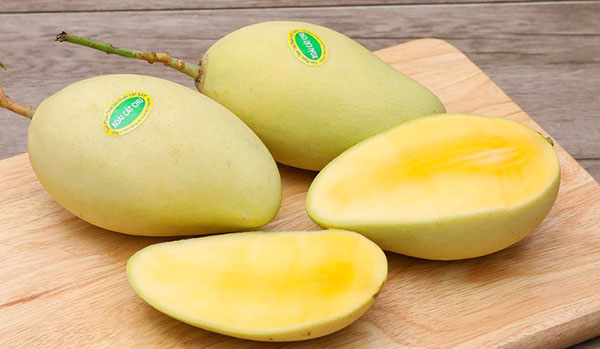
What makes Cat Hoa Loc mango Vietnam’s most premium variety?

Cat Hoa Loc mango is widely considered Vietnam’s most premium variety, earning international admiration and even being declared the “best mango in the world” by US Ambassador to Vietnam, Mr. Daniel J. Kritenbrink. This exceptional fruit, with a prestigious history of being presented to French aristocrats, is renowned for its superior quality and ability to satisfy even the most discerning palates, making it a standout among Vietnamese mangoes.

Originating in Hoa Loc commune, now Hoa Hung commune in Cai Be district, Tien Giang province, Cat Hoa Loc mango has become synonymous with the region’s unique soil, which contributes to its renowned flavor. While this mango variety is now grown in several provinces across the Mekong Delta, the Tien Giang-grown version remains the most prized. According to the Tien Giang Department of Agriculture and Rural Development, the average yield of Cat Hoa Loc mango is between 10 to 15 tons per hectare. In regions employing off-season cultivation techniques, profits can be 1.5 times higher than regular growing methods. The harvest season for Cat Hoa Loc mangoes runs from March to May, with an off-season stretching from October to December

In addition, nearly 41 hectares of Cat Hoa Loc mango orchards have been officially registered for export to China, with 22 hectares owned by 36 farming households. This expansion of export areas has helped boost the mango’s international reputation.

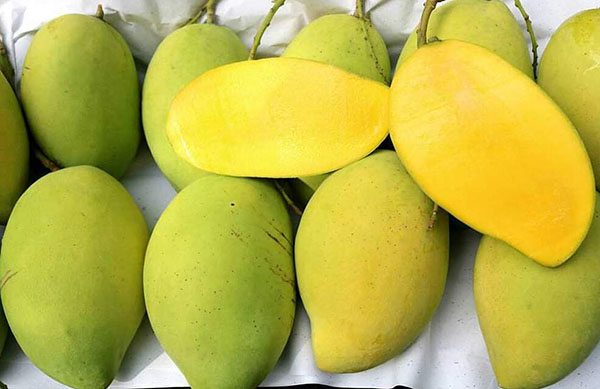
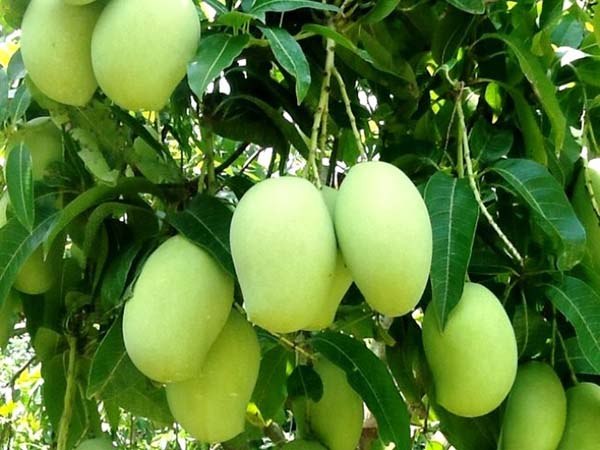
Cat Hoa Loc mangoes are large, weighing between 450 – 600g, with smooth, thick flesh and minimal fiber. The fruit’s skin is a vibrant green when unripe and turns a golden lemon yellow once it ripens. A thin powdery layer coats the surface when ripe, with tiny black dots near the stem, giving the mango its perfect shape and texture.

Why is Cat Chu mango a favorite tropical delight from Vietnam?

Cat Chu mango is a favorite tropical delight from Vietnam due to its unique flavor and superior quality, making it a standout specialty from Cao Lanh, Dong Thap province. This premium variety, also cultivated in other regions like Tien Giang, Can Tho, and Vinh Long, has successfully built a strong reputation in both domestic and international markets, captivating tropical fruit lovers worldwide.

With its long, slender shape and distinctive reddish-yellow skin when ripe, Cat Chu mango captivates with its smooth, thick flesh, minimal fiber, and subtle toughness that melts in the mouth. The sweet, rich taste and pleasant fragrance are unforgettable, leaving a refreshing aftertaste that lingers long after the last bite.

The mango’s exceptional flavor is attributed to the fertile alluvial soil and ideal climate conditions in Cao Lanh district, Dong Thap province, which boasts abundant irrigation. With a mango-growing area of over 9,000 hectares, Dong Thap accounts for the lion’s share of mango production in the Mekong Delta, with Cat Chu mangoes making up around 60% of the total. The combination of meticulous care and favourable cultivation conditions has propelled Cat Chu mango to a prominent place in global markets.

What is the Green-Skinned Tuong mango and why is it called a ‘giant’?

The Green-skinned Tuong Mango, a specialty primarily from Can Tho in the Mekong Delta, is called a ‘giant’ because it stands out as the largest mango variety in Vietnam, with each fruit typically weighing between 0.5 to 1 kg. This impressive size, combined with its elongated shape, thick, firm flesh, and smooth, shiny green skin (which turns light yellow when ripe), makes it a visually captivating and highly distinctive mango in the global market.

What sets the Green-skinned Tuong Mango apart is its unique flavor profile. When green, it carries a slightly sour taste, but once ripe, it offers a distinctive sweetness that delights the palate. The fruit’s minimal fiber results in a smooth texture that many consumers find irresistible, making it a highly favored choice. Harvested during the rainy season from May to July, Green-skinned Tuong Mango is picked when the fruit turns light yellow, ensuring that it stays fresh longer and resists spoilage.

In Can Tho, Green-skinned Tuong Mango holds a dominant position, accounting for about 47% of the city’s mango-growing area with approximately 1,587 hectares dedicated to this variety. Can Tho’s total mango-growing area spans 3,376 hectares, yielding nearly 17,500 tons of mangoes annually. Alongside Tuong Mango, other varieties like Hoa Loc are also widely cultivated in the region.

What makes Cam Lam mango a premium choice from Khanh Hoa?

Cam Lam mango is considered a premium choice from Khanh Hoa province due to its exceptional quality and high yield, largely attributed to the fertile lands of Cam Lam district. This region, often called the mango-growing capital of Khanh Hoa, dedicates over 8,800 hectares to mango cultivation, producing more than 38,000 tons annually. This significant output, combined with an average yield of 58.43 quintals per hectare, ensures a consistent supply of top-tier mangoes that are highly valued both domestically and internationally.

One of the key reasons for the mango’s outstanding quality is the fertile soil of Cam Lam, which is especially suited to growing Australian mango varieties. These Australian mangoes grown in Cam Lam are large and round, weighing an average of 800g per fruit. The ripe mangoes feature a stunning pinkish-yellow hue on their shoulders, making them visually appealing. The flesh is firm, with minimal fiber, and offers a subtle sweetness, providing a satisfying, fragrant taste.

The mango season in Cam Lam stretches from March to July, ensuring a steady supply for both domestic consumption and international exports throughout the year. The ripe mangoes are known for their sweet taste, with a Brix level of 12-14%, as well as their irresistible aroma and vibrant colour.

What is unique about the Keo mango variety from Vietnam?

The Keo mango variety, originally from Cambodia and introduced to Vietnam in the 2000s, is unique due to its remarkable adaptability to the local climate and soil, which has led to its swift popularity in the Southeast and Mekong Delta regions. This distinct mango offers a unique set of characteristics that differentiate it from other varieties, making it a notable choice for consumers seeking something different.

Keo mangoes have a distinct shape, with a rounded middle that tapers slightly towards both ends, creating a subtle curve while maintaining an overall rounded form. The fruit is smaller than other popular varieties like Hoa Loc or Taiwanese mangoes, typically weighing between 0.25kg and 0.45kg

The flesh of the Keo mango is light yellow when unripe and darkens to a rich yellow as it ripens. What truly makes Keo mango stand out is its unique flavor profile. While most mango varieties only become sweet when ripe, Keo mangoes offer a blend of sweet and sour flavors. When unripe, they carry a tartness that turns into a balanced, sweet-sour flavor as they mature, offering a refreshing contrast to other mango varieties.

The early harvest season of Keo mango, typically starting in March and lasting through May, allows farmers to fill the market gap when other mango varieties are not in season. This timing, combined with its unique taste, makes Keo mango a popular choice in many dishes, from mango salads to tropical fruit salads, as well as for fresh consumption.


Conclusion

Vietnam’s mango industry is on a promising growth trajectory, with projections indicating that by 2030, the mango growing area will expand to 140,000 hectares, yielding up to 1.5 million tons. Additionally, over 70% of export processing and preservation facilities are expected to reach advanced production levels, ensuring high-quality mangoes for international markets. With a rich diversity of mango varieties, Vietnam offers a wide range of options to meet the specific needs of global customers.

Challenges in Sourcing from Vietnam:

  • 40% of suppliers are small and medium-sized enterprises.
  • 45% of suppliers face difficulties in English communication and tend to be risk-averse.
  • Many suppliers prefer direct sales from the factory, avoiding complex export procedures.

Solution from VnCommEx: VnCommEx bridges the gap between suppliers and international markets, simplifying the export process. With their support, you can access reliable, high-quality mango products from Vietnam at competitive prices.

Contact VnCommEx today to receive detailed quotes and professional assistance in importing premium mangoes and processed mango products from Vietnam!

See more: Vietnam’s Mango Industry: Opportunities and Growth Potential

January 25, 2025 0 comment
0 FacebookTwitterLinkedinWhatsapp
Fruit & Vegetable

Vietnam’s Mango Industry: Opportunities and Growth Potential

by Henry Truong January 23, 2025
written by Henry Truong

Mango is one of the most beloved tropical fruits worldwide, representing about 50% of total tropical fruit production. Packed with nutrients, mangoes are rich in natural sugars, protein, fiber, and carotene, a precursor to vitamin A. Few fruits offer such a comprehensive nutritional profile. While often enjoyed fresh, mangoes are also processed into products like juice, jam, and dried mango, preserving their rich flavor and health benefits.

Mango trees thrive in warm climates and are sensitive to cold. The optimal temperature for growth ranges from 25°C to 30°C. Below 20°C, their growth slows, and below 10°C, the trees may stop producing leaves and flowers. This is where Vietnam’s tropical climate shines, making it an ideal location for mango cultivation. Almost every region of the country can grow mangoes, with over 114,000 hectares dedicated to the crop. The Mekong Delta alone accounts for nearly half of this area.

In December 2024, Vietnam’s mango production reached 1.045 million tons, a 2.7% increase from 2023. This growth is due to favourable weather and the country’s strategic investments and policies supporting mango cultivation.

Where are the main mango growing regions in Vietnam?

Vietnam’s mango production is concentrated in key regions, primarily the Mekong Delta, which accounts for over half of the national output. Provinces like Dong Thap, An Giang, Son La, and Dong Nai are recognized for their significant mango acreage, producing high-quality fruit that meets international standards for export markets. The dominant varieties cultivated in these areas are Cat Chu, representing 60% of the area, and Hoa Loc, making up 40%.

In Dong Thap, the mango growing area spans over 14,000 hectares, yielding nearly 140,000 tons annually. The province boasts 296 mango-growing areas, with more than 8,200 hectares certified with area codes, enabling exports to major markets including China, Korea, Japan, the US, New Zealand, and Europe. Additionally, Dong Thap pioneers organic mango production, with an innovative model involving 5 hectares for every 8 households. This approach not only shifts production methods but also boosts productivity to 4.5 tons per hectare.

Cho Moi district, with 6,400 hectares dedicated to mango cultivation, accounts for more than 50% of the province’s mango growing area. The district has integrated modern techniques into mango production, including scientific advancements. Currently, An Giang has 704 hectares certified with VietGAP standards and 41 area codes, while nearly 6,200 hectares comply with international production standards.

With its advanced production processes and commitment to international certifications like VietGAP and organic standards, Vietnam’s mangoes are in high demand worldwide. This commitment ensures the fruits meet the stringent quality expectations of markets such as Japan, the US, and Europe.

Which countries import Vietnamese mangoes?

Vietnam’s mangoes are exported to a growing number of countries, establishing the nation as a significant player in the global mango industry. While China remains the largest importer, accounting for 84.6% of total mango exports due to its proximity and trade facilitation, demand is also increasing from other key markets such as Russia, the United States, South Korea, the EU, Australia, and Japan.

Despite exporting to over 40 countries, Vietnam’s mango exports currently represent only about 1% of the global mango export market. However, the rapid growth in recent years indicates the vast potential of the Vietnamese mango sector. From a value of 46 million USD in 2015, Vietnam’s mango exports surged to over 180 million USD in 2021 and continued to climb to 370 million USD in 2023. In the first 10 months of 2024, mango export value reached over 308 million USD, marking a remarkable 43.5% increase compared to the same period in 2023. This growth represents 5% of Vietnam’s total fruit exports, trailing only durian, dragon fruit, coconut, and bananas.

Although mango exports to China saw a 13% decrease in the first 11 months of 2024, other markets have stepped in to fuel growth. South Korea ranked second with 40 million USD, reflecting a 70% increase from 2023. The United States followed in third place, with 20 million USD in mango imports, marking a significant 276% increase. Other markets like Japan, Poland, and Australia also reported impressive growth, ranging from 48% to 252%. Emerging markets, aided by trade agreements, also demonstrated remarkable growth—Chile’s imports skyrocketed by 14,000%, reaching 1.2 million USD, while Laos saw a 1,300% increase and Iran grew by 6,000%.

The United States has become one of the primary importers of Vietnamese mangoes, particularly frozen and fresh varieties. In 2023, the US imported 643 tons of frozen mangoes worth 988,000 USD, a surge of 84.7% in volume and 82.9% in value compared to 2022. Additionally, 500 tons of fresh mangoes, valued at 1.4 million USD, were imported, marking a 16.7% increase in volume and 38.2% growth in value over the previous year.

Vietnam’s mango industry is experiencing strong export growth, expanding into new and emerging markets, and establishing itself as a reliable and high-quality supplier of mangoes on the global stage.

What are the most popular Vietnamese mango varieties for export?

Vietnam cultivates 46 distinct mango varieties, each offering unique characteristics. For commercial export, the most prominent and widely cherished varieties include Cat Hoa Loc Mango, Cat Chu Mango, and Tuong Da Xanh Mango, alongside others like Hon Mango, Xiem Num Mango, Buoi Mango, Cat Bo Mango, Thanh Ca Mango, Canh Nong Mango, and Yen Chau Mango. These varieties are highly sought after for their outstanding quality and unique flavors.

Cat Hoa Loc Mango is considered the crown jewel of Vietnamese mangoes, particularly renowned in the Mekong Delta. It is regarded as the most delicious and valuable mango variety due to its vibrant color, rich flavor, and high nutritional content. This variety produces large fruits, with an average weight of 600 to 700g per mango. The flesh is thick, smooth, fiberless, and the seeds are small. The sweet, fragrant flavor makes it stand out, and each mature tree (about 10 years old) yields approximately 100kg of fruit annually. This variety is easy to care for, highly stable, and offers exceptional quality.

Cat Chu Mango, the second most popular variety, is primarily cultivated in provinces such as Dong Thap, Tien Giang, Vinh Long, Can Tho, and other Southeast provinces. Known for its high yield, a 10-year-old Cat Chu tree can produce over 400kg of fruit per year. The fruit is long and slender, with thick flesh, small seeds, and smooth, yellow skin when ripe. It is fiberless and has a sweet, fragrant taste. Remarkably, over 80% of the Cat Chu mangoes produced annually are exported, particularly to international markets.

Tuong Da Xanh Mango, a specialty variety from the Mekong Delta, especially Can Tho, is known for its large size and thick, shiny green skin. The bright yellow flesh is supple, sweet, and minimally fibrous, offering a distinct and pleasing flavor. This variety is increasingly popular for export, especially to demanding markets such as the United States and Australia.

Each of these Vietnamese mango varieties offers exceptional quality and a unique flavor, making them a proud representation of Vietnam’s agricultural products. Their distinctive tastes and textures help solidify Vietnam’s position as a leading exporter of high-quality mangoes in the global market.

Criteria

Vietnamese Mangoes (Cat Hoa Loc, Keo, Tu Quy)

Thai Mangoes (Nam Dok Mai)

Indian Mangoes (Alphonso, Kesar)

Mexican Mangoes (Ataulfo, Tommy Atkins)

Philippine Mangoes (Carabao)

Flavor

Sweet, aromatic, slightly sour (Cat Hoa Loc), sweet (Keo)

Sweet, slightly sour

Sweet, aromatic

Slightly sweet, balanced sourness

Sweet, aromatic

Fiber Content

Low fiber (Cat Hoa Loc), no fiber (Keo)

No fiber

Low fiber, soft flesh

High fiber (Tommy Atkins), little fiber (Ataulfo)

No fiber

Size

300-600g/fruit (depending on type)

300-500g/fruit

200-400g/fruit

250-600g/fruit

200-400g/fruit

Peel Color When Ripe

Light yellow to deep orange

Light yellow

Dark orange

Dark yellow or bright red

Light yellow

Storage Time

10-14 days

7-10 days

10-14 days

14-21 days

7-10 days

Main Export Markets

US, Japan, Korea, China, EU

China, EU

Middle East, EU, US

US, EU, China

Japan, Middle East, EU

Outstanding Advantages

– Characteristic delicious flavor, many varieties for year-round harvest.

– Competitive cost, large output.

– Sweet taste, suitable for Asian taste.

– Strong brand in the international market.

– Known as the “King of mangoes” thanks to its rich flavor.

– Long shelf life, suitable for long-distance transportation.

– Popular in major markets such as the US and EU.

– Fiber-free, rich, sweet flavor.

– Considered a national specialty.


Why should importers choose Vietnamese mangoes?

Competitive Pricing

Importers should choose Vietnamese mangoes due to their clear competitive advantages in the global market, particularly their attractive pricing. In 2024, Vietnamese mangoes retailed for 2.5 – 3.5 USD per fruit, which is notably lower than regional competitors like Thai mangoes, priced between 3.0 – 4.5 USD. This cost-effectiveness is primarily driven by low production costs and strategic logistical benefits.

  1. Low Production Costs: Vietnam benefits from inexpensive labor and efficient farming practices, allowing for more competitive pricing in international markets.
  2. Proximity to Seaports: Mango-growing regions in Vietnam are located only 50-80 km away from major international seaports, reducing transportation costs significantly compared to other countries like Thailand and India, whose mangoes are often shipped from farther distances.

Mango Yield and Productivity

Vietnam’s average mango yield ranges from 7 to 8.5 tons per hectare, which is lower than countries like India, Thailand, and Mexico. However, areas adhering to international standards such as GlobalGAP and VietGAP can achieve up to 10-12 tons per hectare, putting Vietnam’s yields on par with other top producers like Pakistan and Brazil. 

Advantages of Trade Agreements

Vietnam’s participation in 17/ 19 Free Trade Agreements (FTAs) has significantly enhanced its mango industry’s global reach. Key agreements include:

  1. EVFTA (EU-Vietnam Free Trade Agreement): This agreement eliminates import tariffs on Vietnamese mangoes, making them more attractive in the EU market.
  2. CPTPP (Comprehensive and Progressive Agreement for Trans-Pacific Partnership): The CPTPP gives Vietnamese mangoes duty-free access to markets like Japan, South Korea, and New Zealand and new opportunities in previously restricted markets such as Mexico, Canada, and Chile.
  3. RCEP (Regional Comprehensive Economic Partnership): RCEP helps eliminate trade barriers for Vietnamese mangoes in Asia-Pacific markets, further expanding export opportunities.

These trade agreements enable Vietnamese mangoes to compete globally by offering better pricing and fewer trade restrictions, thus enhancing their global market share.

Conclusion

Vietnamese mangoes are a top choice for international importers thanks to a range of outstanding advantages in terms of quality, cost, and logistics. These factors make Vietnamese mangoes a competitive option in the global market.

  1. High Mango Quality and Unique Specialties: With over 46 varieties, Vietnam is home to premium mango varieties like Cat Hoa Loc, Cat Chu, and Green Skin Tuong Mango. These varieties are not only known for their exceptional flavor but also their high nutritional value, catering to the demands of international markets. Furthermore, GlobalGAP and VietGAP certifications ensure quality and food safety.
  2. Competitive Costs: Vietnamese mango prices are typically 10% to 30% lower than other regional competitors, including Thailand, due to low production costs and geographical advantages. Retail prices range from 2.5 – 3.5 USD per fruit, offering significant cost savings to importers without compromising on quality.
  3. Favourable Geographical Location: Vietnam’s strategic location in Southeast Asia, with its long coastline and proximity to major countries like China, Laos, Cambodia, and Thailand, provides a logistical advantage for exporting agricultural products, including mangoes. The growing areas in the Mekong Delta and Southeast provinces are only 50-80 km from international seaports, reducing transportation costs and ensuring quick delivery to global markets.
  4. Ideal Climate and Land: Vietnam’s tropical climate, characterized by a dry season (from November to April), creates optimal conditions for mango cultivation. The sunny and dry environment helps produce high yields and excellent fruit quality, while the warm temperatures throughout the year are perfect for growing mangoes and other tropical fruits.
  5. Advantages of Trade Agreements: Vietnam benefits from several free trade agreements (FTAs), such as the EVFTA, CPTPP, and RCEP, which reduce import tariffs and expand access to key markets like the EU, Japan, South Korea, and New Zealand. This provides Vietnamese mangoes with a competitive edge in the international market.

With these outstanding benefits, Vietnamese mangoes are an attractive and reliable choice for importers seeking high-quality products at competitive prices.

See more: Vietnam’s fruit and vegetable exports: Key markets, challenges, and opportunities

January 23, 2025 0 comment
0 FacebookTwitterLinkedinWhatsapp
Vietnam Commodity Market Price

Vietnam Agriculture Price From January 14th – 20th, 2025

by Henry Truong January 21, 2025
written by Henry Truong

Note: This price is the Vietnam domestic market price (Exchange rate January 21st, 2025). Please contact us if you want to know the EXW, FOB, or CNF prices.

Source: Department of Industry and Trade or Department of Agriculture of provinces in Vietnam

See more:

  • Vietnam Agriculture Food Price From January 7th – 14th, 2025
  • Vietnam Agriculture Food Price From January 2nd – 7th, 2025
  • Vietnam Agriculture Food Price From December 16th – 22nd
  • Vietnam Agriculture Food Price From November 18th – 25th
  • Vietnam Agriculture Food Price From November 11th – 17th

January 21, 2025 0 comment
0 FacebookTwitterLinkedinWhatsapp
Fruit & Vegetable

Dried Coconut Development in Vietnam: Driving Export Growth

by Henry Truong January 20, 2025
written by Henry Truong

How has Vietnam’s coconut industry grown to become a global player?

While traditional leaders like Indonesia, the Philippines, and India have long dominated the global desiccated coconut market with their abundant supplies and large-scale production, Vietnam has rapidly emerged as a significant player. Initially, Vietnam’s coconut industry started its growth in 1995 with modest export turnover, primarily from Ben Tre, the heart of the country’s coconut industry. However, Vietnam strategically adapted by focusing on high-value, processed products like desiccated coconut, virgin coconut oil, and coconut milk, which now drive its impressive growth.

Vietnam’s coconut industry began its growth in 1995. Although initially slow compared to regional neighbours, Vietnam quickly adapted by focusing on value-added products like desiccated coconut, virgin coconut oil, and coconut milk. In the early years, Vietnam’s coconut export turnover was modest, around 4.24 million USD, primarily from Ben Tre, known as the heart of the country’s coconut industry.

Since 2010, the Vietnamese coconut industry has experienced rapid growth, averaging 15-20% annually. This growth is driven by expanding production, the application of modern technology, and a strong export focus. Vietnamese companies have increasingly prioritized product quality to meet rigorous international standards. As a result, export turnover surged from 180 million USD in 2010 to over 900 million USD in 2023. Key products like desiccated coconut have gained significant market share in countries such as the US, EU, China, and Japan.

In 2024, the Vietnamese coconut industry is expected to reach a major milestone, with export turnover forecast to exceed 1 billion USD. This achievement highlights Vietnam’s growing influence in the global coconut market and underscores the relentless efforts of businesses and farmers to promote Vietnamese coconut products internationally. Products such as desiccated coconut, virgin coconut oil, and processed coconut goods are poised to continue driving export growth.

In the first 10 months of 2024, Ben Tre, the largest coconut-producing province in Vietnam, with 70% of the country’s coconut area, harvested 602,542 tons, of which 80% was dried coconut. 

From its modest beginnings, Vietnam has emerged as a strong competitor in the coconut industry, directly challenging dominant regional players. This growth not only boosts the economy but also creates jobs and improves the livelihoods of millions of coconut farmers throughout the country.

Which countries are the biggest importers of fresh and dried coconut?

In 2023, China emerged as the leading global importer of fresh and dried coconut (HS 080110), with a substantial import value of $618.95 million and a volume of 1.22 billion kg. This strong demand is fueled by China’s domestic consumption and its expanding food and cosmetics industries, reflecting a growing preference for natural and nutritious products. Following China, the European Union (EU) ranked second, importing $157.48 million worth of coconuts, while the United States secured the third position with imports valued at $141.42 million.

The European Union (EU) ranked second, importing $157.48 million worth of coconuts, totaling 104.41 million kg. EU demand is centered around high-quality, organic, and sustainable coconuts for the food industry, particularly for products like coconut milk, coconut oil, and confectionery ingredients. This market requires exporters to meet stringent quality standards and certifications.

The United States followed closely in third place, importing $141.42 million worth of coconuts, with a volume of 103.64 million kg. U.S. consumers increasingly favor natural and healthy products, positioning coconut as a popular choice. Coconut is not only used in food but also in cosmetics and pharmaceuticals, thanks to its antioxidant and antibacterial properties. The U.S. also has the potential for processed coconut products like canned coconut water and virgin coconut oil.

The Netherlands, a major European logistics hub, imported coconuts worth $71.30 million, totalling 45.11 million kg. It serves as a key distribution point for European markets. The Netherlands demands value-added coconut products like desiccated coconut and coconut oil for food and cosmetic applications. Malaysia, despite a lower import value of $58.04 million, had a high import volume of 279.78 million kg. This highlights Malaysia’s focus on raw coconut imports to support its growing coconut processing industry. Malaysia uses these imports to produce coconut oil, coconut flour, and canned coconut water, serving both domestic and export needs.

What types of dried coconut products does Vietnam export?

Vietnam’s coconut processing industry offers a diverse range of dried coconut products, serving both domestic and international markets across various industries, from food production to cosmetics. These value-added products have become key exports for the country, showcasing Vietnam’s focus on quality and versatility. The main types of dried coconut produced in Vietnam include desiccated coconut, coconut chips, coconut shreds, sliced coconut, fresh coconut meat, whole dried coconut, coconut flour, and coconut meal.

1. Desiccated Coconut 

Desiccated coconut is the flagship product of Vietnam’s coconut processing industry, playing a significant role in export revenue. The process involves separating the coconut meat from the shell, shredding it into small fibers, and drying it to preserve its natural flavor and extend shelf life. Desiccated coconut is widely used in the food industry, especially in confectionery, ice cream, beverages, and coconut-based jams. Vietnam is a major supplier of desiccated coconut to international markets like the US, Japan, Europe, and Southeast Asia. Its long shelf life and ease of transportation make it a favoured product for global food manufacturers.

See more: Desiccated Coconut Production: Ensuring Quality and Safety

2. Coconut Chips 

Coconut chips, thin slices of fresh coconut meat that are dried, have gained popularity as a high-end snack. These chips are available in various flavours, such as sweet, salty, or spiced, offering a nutritious snack option. Coconut chips are increasingly popular in markets demanding organic and natural foods, such as the US, Canada, Europe, Japan, and Korea. This product has seen strong growth in export markets due to its appeal as a health-conscious snack.

3. Coconut Shreds 

Coconut shreds are made by grinding fresh coconut meat into small pieces and then drying them. They are commonly used as ingredients in the confectionery, dessert, and ice cream industries, as well as for seasoning traditional dishes. Additionally, shredded coconut is integral to the coconut oil production industry, where the dried meat is further processed to extract coconut oil.

4. Sliced Coconut 

Sliced coconut involves cutting coconut meat into thin slices, which are then dried. This product is primarily used in food preparation, including in canned coconut water production and beverages. It also serves as a valuable ingredient in processed foods, offering a natural flavor and texture.

5. Fresh Coconut Meat

Some Vietnamese producers also supply fresh coconut meat, which is dried or frozen to preserve it for long-term storage. Although less popular than shredded or sliced coconut, fresh dried coconut is consumed in markets like Japan, Korea, and Southeast Asia.

6. Whole Dried Coconut

 Some Vietnamese businesses export whole dried coconuts that have been dehydrated and dried. These whole coconuts are often used in the beverage or food processing industries, serving as a natural, unprocessed product for various applications.

7. Coconut Flour 

Coconut flour is made by grinding dried coconut meat into a fine powder. It is increasingly popular in the production of health-conscious food products, such as cakes, smoothies, and snacks. Coconut flour also finds use in the cosmetics industry, particularly in the formulation of skincare products like lotions, shampoos, and shower gels. Key markets for coconut flour include the US, Canada, Europe, and various Asian countries, where there is a growing demand for organic and health-focused products.

8. Coconut Meal 

Coconut meal is a by-product of coconut oil production, rich in fiber. It is primarily used in animal feed production but also serves as an ingredient in functional foods, confectionery, and nutritional supplements. While not a primary export product, coconut meal has a stable market, contributing to the overall value of Vietnam’s coconut industry.

What is the export potential for Vietnam’s coconut industry?

The export potential for Vietnam’s coconut industry is exceptionally strong, driven by a global coconut products market that is on a significant upward trajectory. Valued at US$20.24 billion in 2022, the market is projected to reach US$30.4 billion by 2030, with an expected compound annual growth rate (CAGR) of 8.4% from 2023 onwards. This robust growth is fueled by increasing worldwide demand for coconut products, particularly due to the rise of sustainable living, green lifestyles, and the surge in veganism, especially in Europe and the US. Vietnam is well-positioned to capitalize on this demand, offering high-quality coconut products at competitive prices.

See more: Desiccated Coconut: Uses in Food Industry & Health Benefits

In particular, the coconut milk and cream market is expected to grow from US$21.64 billion in 2023 to US$31.31 billion by 2030, at a CAGR of 5.41%. This indicates strong and sustained growth in the sector, with coconut products playing a key role in plant-based diets.

Vietnam is positioning itself as a significant player in the global coconut market, thanks to its abundant coconut production and unique coconut varieties, such as the Siamese coconut with its sweeter taste and higher water content. Additionally, the dried coconuts from Vietnam have a high oil content of 60-65%, making them highly sought after. However, the Vietnamese coconut industry still faces challenges in fully capitalizing on its coconut output.

Looking ahead, from 2025 to 2030, Vietnam is projected to become a key supplier of coconut products globally, benefitting from its 17 global free trade agreements, the highest in Southeast Asia. This offers Vietnam a distinct advantage in exporting coconut products with 0% tax rates, making prices 10-15% cheaper than other regions while maintaining high product quality. This competitive pricing and superior quality provide international buyers with an attractive option for sourcing coconut products.

For those seeking high-quality coconut products at competitive prices, Vncommex stands out as a trusted partner. As a commercial representative of 20 leading factories, Vncommex ensures a seamless and efficient export process, offering a reliable source of premium coconut products for global markets.

See more: Top Coconut Exporting Countries: Market Landscape

January 20, 2025 0 comment
0 FacebookTwitterLinkedinWhatsapp
Fruit & Vegetable

Vietnam Banana products’ potential from sustainable consumption trend

by Henry Truong January 16, 2025
written by Henry Truong

In addition to fresh bananas, international markets increasingly favor other banana-based products, including banana leaves, which are used as eco-friendly packaging alternatives to plastic bags in supermarkets, as well as for decor and handicrafts. Within Vietnam’s banana processing industry, popular products include dried bananas, banana powder, canned bananas, and banana smoothies. These items not only increase the value of fresh bananas but also help manage crop surpluses, extend shelf life, and meet diverse global market needs.

What is the current state of Vietnam’s banana processing industry?

Currently, Vietnam’s banana processing industry primarily focuses on basic processing, with less than 30% of banana products undergoing deep processing. While processed agricultural products contribute significantly to Vietnam’s export turnover, this limited deep processing for bananas, often involving only cleaning, drying, or freezing, results in lower added value. This restricts the full economic potential of Vietnamese bananas in the global market, as advanced processing methods could substantially increase their value.

Currently, Vietnam’s banana processing industry produces items like dried bananas, banana powder, canned bananas, and banana smoothies. Of these, dried bananas generate the highest export turnover, yet their value is only around 1.4% of that of fresh bananas. Vietnam also exports other banana-based products, including banana juice, steamed bananas, banana hearts, banana candy, and frozen bananas, though these add relatively little to the industry’s total revenue.

To enhance the quality and value of processed bananas, both businesses and the government are increasingly investing in modern technology. Traditionally, bananas were dried using heat from firewood at temperatures of 80–90°C for 36 hours. This method often yielded lower-quality products with less appealing colors and contributed to environmental pollution, reducing product appeal in international markets.

With support from the Department of Science and Technology, some companies in Vietnam recently implemented advanced heat pump drying technology. This method allows a batch capacity of 1,000–1,200 kg of fresh bananas, yielding 300–400 kg of dried bananas with consistent quality. The process maintains a temperature of 60–70°C over 30–35 hours, reducing humidity to below 15% while saving energy (380 kWh per batch). The resulting dried bananas are more visually appealing and flavorful, and meet food safety standards, suitable for both domestic and export markets.

This heat pump drying approach has improved efficiency compared to traditional methods, cutting labor costs, ensuring food safety, shortening production time, and reducing environmental impact. This development signals promising growth opportunities for Vietnam’s banana processing industry, helping it better meet domestic demand and establish a presence in high-quality export markets.

What is the potential for developing banana products in Vietnam?

Despite a modest export turnover for banana products, Vietnam holds significant potential for developing a diverse range of valuable items from various parts of the banana tree, catering to both domestic and international markets. For instance, specialized reports indicate that each hectare of banana cultivation can yield 30–40 tons of banana stems, with one ton of stems capable of producing 10–12 kg of raw banana fibers and 300 liters of banana juice.

Banana fibers are light, durable, water-resistant, and long-lasting, making them an ideal material for a variety of industries. These fibers are used in the production of handicrafts, money printing paper, wrapping paper, and even high-end materials for the automotive and yacht industries.

Artisans in Vietnam have creatively used banana fibers to produce an array of handicraft items, including handbags, baskets, trays, carpets, lanterns, paper flowers, and household utensils. These unique, eco-friendly products are not only popular in the domestic market but also have a growing export presence in countries like the European Union, South Korea, and Taiwan.

The banana fiber industry has flourished in countries such as the Philippines and India. According to Euro Monitor, the global banana fiber market has experienced an impressive growth rate of 16–30% annually over the past decade. Vietnam’s banana fiber offers distinct competitive advantages, including its softness, smoothness, and luster—qualities that make it comparable to India’s premium banana fiber, which is priced twice as high as fibers from other countries, including the Philippines.

Banana Leaves – A Potential Market

Vietnam’s banana leaves were first exported around 2009, primarily to Asian countries where they were used to wrap cakes. In recent years, as global awareness of environmental issues and sustainable development has grown, banana leaves have emerged as a valuable product, generating an estimated revenue of 0.84 – 1 million USD annually.

To be suitable for export, banana leaves must meet high-quality standards. The leaves should be at least 30 cm wide, free of tears, and predominantly made of intact banana leaves. Given their fragile nature, the harvesting process demands expertise in selecting leaves of the right maturity and drying them just enough in the sun to preserve their green color and prevent them from becoming too brittle.

In East Asian countries like Japan, Korea, and India, banana leaves have long been used to wrap cakes and food, a tradition that has existed for thousands of years. In Europe and the United States, banana leaves have gained popularity for food decoration and packaging, particularly as supermarkets increasingly restrict the use of plastic bags.

As a result, Vietnam’s banana products industry—including banana fibers and leaves—holds significant potential. By leveraging its competitive advantages and increasing investment in deep processing technologies, the country can capitalize on the growing global demand for green and sustainable products, tapping into markets that prioritize eco-friendly solutions in food packaging and decoration.

What global market trends and opportunities exist for Vietnam’s banana processing industry?

In 2023, Vietnam exported around 7,660 shipments of banana products, with 98% consisting of fresh bananas that underwent only preliminary processing, primarily destined for major markets like China, Korea, and Japan. While deeply processed banana products currently constitute a small fraction of export turnover, Vietnam has substantial opportunities to diversify its banana product portfolio. This expansion can significantly boost product value and align with the growing global trend towards green consumption.

Banana Fiber – A Key Opportunity in the Sustainable Production Market

The global banana fiber market is expected to reach around 50 billion USD by 2031. In Vietnam, banana fiber exports surged after the COVID-19 pandemic, drawing attention from businesses in the Middle East that import raw banana fiber for fabric production. Additionally, Vietnamese banana fiber has been used in the creation of handicraft products, sold on international platforms such as Etsy and Amazon, or supplied to hotel and motel chains abroad.

With sustainable production regulations set to take effect in the global textile industry by 2025, businesses will be required to transition to using natural, eco-friendly fibers. This presents a significant opportunity for Vietnam to develop and promote products made from banana fiber. Not only is banana fiber a viable alternative to traditional fibers, but its durability, lightness, and water-resistant properties make it highly suitable for high-tech applications, aligning with the growing demand for sustainable and environmentally friendly materials.

Biodegradable Masks from Banana Fibers – A Green Solution for the Future

Every month, the world uses approximately 129 billion masks, most of which end up being disposed of by burning or burying, contributing to environmental pollution through CO2 emissions. To address this issue, biodegradable masks made from natural fibers, including banana fibers and banana leaves, have been proposed as a sustainable alternative. These banana fiber masks are not only environmentally friendly but also cater to the growing consumer demand for eco-conscious products.

Future Outlook for Enterprises Importing Goods from Vietnam

As global demand for eco-friendly products rises, importing enterprises have an opportunity to leverage Vietnam’s abundant raw materials to import green products, particularly those derived from bananas. Vietnam’s tropical climate and favourable geographical conditions make it an ideal source for banana-based products, including banana fiber, banana leaves, and processed banana goods. These products are aligned with the global trend toward sustainable consumption and offer diverse applications across industries such as handicrafts, fashion, packaging, and healthcare.

VnCommEx, with its mission of placing Vietnamese goods on the global map, serves as a reliable bridge between international importers and Vietnamese suppliers. Founded to improve the income and living standards of millions of Vietnamese farmers, VnCommEx not only promotes products but also creates value for the local community. The company ensures direct access to high-quality sources, transparent processes, and competitive pricing. As a trusted partner, VnCommEx fosters international trade and builds long-term, sustainable relationships.

By importing Vietnamese banana products through VnCommEx, international businesses can meet the growing demand for green, sustainable products while supporting the development of Vietnam’s farming community and enhancing the global presence of Vietnamese goods.

See more: Vietnam’s Banana Exports: Exceptional Growth & Hidden Challenges


January 16, 2025 0 comment
0 FacebookTwitterLinkedinWhatsapp
Vietnam Commodity Market Price

Vietnam Agriculture Food Price From January 7th – 14th, 2025

by Henry Truong January 14, 2025
written by Henry Truong

Note: This price is the Vietnam domestic market price (Exchange rate January 14th, 2025). Please contact us if you want to know the EXW, FOB, or CNF prices.

Source: Department of Industry and Trade or Department of Agriculture of provinces in Vietnam


See more:

  • Vietnam Agriculture Food Price From January 2nd – 7th, 2025
  • Vietnam Agriculture Food Price From December 16th – 22nd
  • Vietnam Agriculture Food Price From November 18th – 25th
  • Vietnam Agriculture Food Price From November 11th – 17th

January 14, 2025 0 comment
0 FacebookTwitterLinkedinWhatsapp
Garment & Footwear

Future of Textile Industry: Trends and Innovations

by Henry Truong January 13, 2025
written by Henry Truong

How is the textile industry becoming more sustainable?

The textile industry is actively enhancing sustainability by focusing on reducing its significant environmental impact. This shift is crucial given that the global clothing and footwear industry contributes 3.9 billion tons of CO2 equivalent emissions annually, accounting for eight to ten percent of total global emissions—surpassing even aviation. In Europe, textile consumption ranks as the fourth most polluting industry, highlighting the urgent need for change.

This environmental toll is driven by the immense scale of the clothing industry, with global production doubling between 2000 and 2015 to around 100 billion items per year, and projected to increase by 63% by 2030. The rise of “Fast Fashion” over the past two decades has been a key factor in this growth, as brands rapidly produce cheap, trendy clothing to meet consumer demand for constantly updated collections. This mass production has severe environmental and climate consequences.

This is the reason why the textile industry is focusing on reducing environmental impact through initiatives such as using recycled fibres, water-efficient dyeing technologies, and developing bio-based materials. Many manufacturers are shifting toward environmentally friendly production processes to meet consumer demand and comply with strict environmental regulations.

What role do digitization and Industry 4.0 play in textiles?

Digitization and Industry 4.0 are revolutionizing the textile industry by significantly improving supply chain visibility, optimizing production efficiency, and reducing environmental impact. In response to pressing challenges such as pandemic-related supply chain disruptions, rising energy costs, and the imperative for greater sustainability, manufacturers are increasingly adopting advanced technologies like AI, IoT, and automation. These innovations are instrumental in reducing material waste, streamlining operational processes, and lowering overall energy consumption.

Sustainability initiatives, like the CircularID project, use blockchain and RFID to track textiles throughout their lifecycle, ensuring transparency and enabling recycling. A prime example is Uniqlo’s use of water-saving technologies and laser finishing to produce eco-friendly denim, demonstrating how digital tools can enhance both productivity and sustainability.

Why is on-demand production important for textiles?

On-demand production is crucial for the textile industry because it focuses on manufacturing garments only after an order is placed, a significant departure from traditional mass production that creates large quantities of inventory in advance. This approach inherently reduces waste, minimizes overproduction, and addresses inefficiencies throughout the supply chain. By leveraging advanced technologies such as automation, 3D printing, and body scanning, brands can offer highly customized clothing to consumers, thereby enhancing satisfaction and significantly reducing returns.

Beyond customization, on-demand manufacturing promotes sustainability by minimizing excess inventory, reducing textile waste, and lowering carbon emissions. It supports ethical production by enabling smaller-scale, transparent supply chains with better oversight of working conditions. The ability to produce clothing as needed not only meets consumer demand more accurately but also saves costs by eliminating the need for large upfront investments in stock. This approach fosters a more responsible, customer-centric, and efficient fashion industry, aligning with the growing trend toward sustainable consumption.

What are the benefits of nearshoring in the textile industry?

Nearshoring offers significant benefits to the global textile industry, primarily by relocating production closer to home markets or end consumers. This strategic shift, often part of a broader ‘China +1’ strategy, results in shorter lead times, reduced transportation costs, and enhanced responsiveness to dynamic market demands. Companies are increasingly adopting nearshoring strategies due to factors such as global supply chain disruptions, rising production costs in traditional manufacturing hubs, growing sustainability concerns, and continuous technological advancements.

Nearshoring is expected to play a crucial role in the future of the textile industry as companies aim to build more resilient, agile, and sustainable supply chains. The success of nearshoring will depend on balancing cost with the need for speed, flexibility, and innovation while leveraging new technologies to maintain competitive pricing and quality.

What new materials are transforming the textile industry?

The textile industry is being transformed by a wave of material innovation, with many manufacturers actively researching and developing new types of fibers and materials. These advancements are not only focused on sustainability but also on offering improved features such as antibacterial properties, temperature regulation, and enhanced biodegradability, pushing the boundaries of what textiles can achieve.

Here are some new materials in the textile industry:

  • Eco-friendly materials: These materials include organic cotton, recycled polyester, hemp, bamboo, and lyocell. They can help reduce the industry’s environmental footprint.
  • Recycled fibres: These fibres are made from post-consumer waste like plastic bottles, fishing nets, and other discarded textiles.
  • Smart materials: These materials include microfibers and nano-fibers. Microfibers are lightweight synthetic fibres that are often blended with other fibres. Nano-fibers are very tiny and lightweight, but also very strong.
  • Nanotechnology: Nanoparticles can be integrated into textiles to improve their performance. For example, they can make textiles more water-resistant or enhance their UV protection.
  • Mycelium leather: This biodegradable, leather-like material is grown in controlled environments and requires fewer resources than animal leather.
  • Bananatex: This durable fabric is made from banana plants, which require no pesticides, fertilizer, or extra water.

What is slow fashion and why is it gaining popularity?

Slow fashion is a movement gaining popularity because it promotes mindful consumption, aiming to reduce frequent shopping and foster a long-term connection with quality products. This approach values ethical and aesthetic principles, emphasizing fair working conditions, reasonable wages, and the preservation of local artisans, culture, and craftsmanship within the fashion industry. Advocates of slow fashion encourage consumers to buy less but choose higher-quality, sustainable items, promoting maintenance and reuse over following fast, short-lived trends.

How are 3D printing and automation changing garment production?

3D printing and automated garment production are fundamentally changing the fashion industry by offering designers unprecedented freedom in creating intricate and customizable garments, accessories, and footwear. This technology enables the production of complex designs that would be either too costly or impossible to achieve using traditional methods, while also facilitating mass customization, which is typically an expensive endeavor in fashion. Notable examples include innovative 3D printed dresses, shoes, and accessories, such as Adidas’ Futurecraft 4D sneakers made with recycled ocean plastic, and the Spider Dress, a piece featuring mechanical arms that react to external stimuli.

Additionally, 3D printing is helping to address sustainability concerns in the fashion industry by reducing waste and facilitating the use of recycled materials. Designers are now focusing on using 3D printing to create comfortable, wearable clothing for everyday use, not just haute couture pieces. Innovations include biodegradable fashion, flexible 3D-printed knit garments, and customizable, eco-friendly shoes. As 3D printing techniques and materials continue to evolve, it holds great potential to shape the future of fashion, making it more sustainable, efficient, and accessible.

These trends are shaping the future of the global textile industry, as businesses must adapt to technological changes, consumer demands, and environmental standards.

Conclusion

The textile industry is experiencing a dynamic transformation driven by sustainability, technological advancements, and shifting consumer behaviours. From eco-friendly materials and water-efficient dyeing techniques to the rise of on-demand production and nearshoring, businesses are embracing innovation to reduce their environmental impact and enhance operational efficiency. By staying ahead of these emerging trends, businesses in the textile and garment sector can not only meet consumer expectations but also contribute to a more responsible and resilient global industry.

See more:

  • Tech Packs: The Essential Guide for Garment Manufacturers
  • Vietnam’s textile & garment export situation before President Trump took office
  • Sourcing Textile & Garment Products from Vietnam: A Complete Guide
January 13, 2025 0 comment
0 FacebookTwitterLinkedinWhatsapp
Newer Posts
Older Posts

Recent Posts

  • Import Vietnamese Coffee: Your Strategic B2B Playbook
  • Vietnam’s Coffee Economy: Market Trends, Export, and Sustainable Future
  • Vietnamese Coffee Brands: Your Definitive Guide to Authentic Flavors, Top Picks & Smart Buying
  • Vietnamese Coffee Taste: Your Sensory Guide to Bold Flavors
  • Vietnamese Coffee: Ultimate Guide to History, Brews & Global Impact

Follow Us

Facebook Linkedin Twitter

Recent Posts

  • Import Vietnamese Coffee: Your Strategic B2B Playbook

    December 17, 2025
  • Vietnam’s Coffee Economy: Market Trends, Export, and Sustainable Future

    December 15, 2025
  • Vietnamese Coffee Brands: Your Definitive Guide to Authentic Flavors, Top Picks & Smart Buying

    December 13, 2025
  • Vietnamese Coffee Taste: Your Sensory Guide to Bold Flavors

    December 12, 2025
  • Vietnamese Coffee: Ultimate Guide to History, Brews & Global Impact

    December 11, 2025

Categories

  • Food & Spicy Industry (30)
  • Free Trade Agreement (18)
  • Fruit & Vegetable (56)
  • Garment & Footwear (11)
  • Market Insights (29)
  • Others (4)
  • Seafood (4)
  • Vietnam Commodity Market Price (17)
  • Vietnam Export Data (15)
  • Vietnam Market (6)
  • Wood & Furniture (19)

Vietnam Commodity Export offers comprehensive and in-depth information on Vietnam’s sourcing market, highlighting opportunities and challenges across various industries. We help international businesses find quality manufacturers and reliable suppliers in Vietnam, providing the critical insights needed to connect with the best partners and resources in the market.

Newsletter Subscribe
    • Homepage
    • Market Insight
    • Sourcing Service
    • Vietnam Overview
    • Publication
    • About Us
    • Contact Us
  • Product Catalogue
    • Coconut Products
    • Tropical Fruits
    • Spicy Products
    • Food & Nuts Products
    • Dried Fruit

You are looking for suppliers in Vietnam!

Shop Now
Facebook Linkedin Twitter Email
VNCOMMEX Group Co. Ltd Address: 06 Vo Van Kiet, Nguyen Thai Binh Ward, District 1, HCMC
Email: info@vncommex.com

All rights reserved. Designed and developed by Vietnam Commodity Exports

Privacy Policy

FAQ

VnCommEx
  • VCE
  • Product Catalogue
  • Market Insight
    • Wood & Furniture
    • Garment & Footwear
    • Food & Spicy Industry
    • Fruit & Vegetable
    • Others
    • Market Insights
  • Vietnam Market
    • Vietnam Commodity Market Price
    • Vietnam Export Data
    • Vietnam in FTA
  • Publication
  • About Us
  • English
    • 中文 (中国)
    • Tiếng Việt
VnCommEx
  • VCE
  • Product Catalogue
  • Market Insight
    • Wood & Furniture
    • Garment & Footwear
    • Food & Spicy Industry
    • Fruit & Vegetable
    • Others
    • Market Insights
  • Vietnam Market
    • Vietnam Commodity Market Price
    • Vietnam Export Data
    • Vietnam in FTA
  • Publication
  • About Us
  • English
    • 中文 (中国)
    • Tiếng Việt
@2021 - All Right Reserved. Designed and Developed by PenciDesign
✕

Shopping Cart

Close
No products in the cart.
Close
 
Return to shop