

What makes Vietnamese coffee taste so unique?
Vietnamese coffee stands out on the global stage due to its distinctive character and profound intensity, captivating palates with a powerful aroma and a remarkably bold sensory experience. Its unique flavor profile is shaped by a combination of factors, including the predominant use of Robusta beans, traditional roasting methods, and specific brewing techniques. This article will guide you through the core elements that define the Vietnamese coffee taste, from its immediate impressions to its complex flavor profile and the deep-rooted influences that shape every sip.
Why Vietnamese Coffee Captivates Palates Worldwide
The global intrigue surrounding Vietnamese coffee stems from its singular boldness and the rich cultural tapestry woven into its preparation. Unlike many mainstream coffees, Vietnamese coffee offers a robust and unwavering presence that stands out. Its distinctive characteristics—rooted in unique Robusta beans, time-honored roasting traditions, and the iconic Phin filter brewing method—contribute to an experience that is both intensely satisfying and deeply memorable. This unique combination has propelled its popularity far beyond its borders, making it a celebrated choice for those seeking a truly impactful coffee experience.
The Immediate Sensory Experience: Aroma and Mouthfeel
Before the first drop even touches the tongue, Vietnamese coffee announces its presence through an intense and inviting aroma. Typically, it presents a bouquet of deep, earthy notes, often intertwined with hints of dark chocolate or cocoa, and sometimes a pleasant smokiness or nuttiness, promising a full-bodied experience. Upon tasting, the mouthfeel is strikingly different from many other coffees. It’s heavy, thick, and profoundly full-bodied, often described as velvety smooth. Especially when prepared as cà phê sữa đá (iced coffee with sweetened condensed milk), it delivers a creamy richness that coats the palate, leaving a lingering, luxurious sensation. This immediate sensory embrace sets the stage for the complex flavors to unfold.

What are the main flavors you’ll taste in Vietnamese coffee?
When you taste Vietnamese coffee, you’ll encounter a journey characterized by several prominent notes that contribute to its renowned complexity. The main flavors include a signature boldness, rich nutty, chocolatey, and earthy undertones, and a distinctive interplay of bitterness and subtle sweetness. These elements are meticulously crafted by the specific bean variety, traditional roasting methods, and unique brewing techniques.
Signature Boldness and Strength
The defining characteristic of Vietnamese coffee is its undeniable boldness and strength. This signature intensity is primarily attributed to the high caffeine content and inherent robust nature of Robusta beans. Unlike the often lighter, more nuanced profiles of Arabica, Vietnamese coffee delivers a full-bodied punch, a robust character that fills the mouth. This isn’t a harsh or acrid strength, but rather a profound, grounding robustness that coffee connoisseurs actively seek out, differentiating it from undesirable bitterness found in lower-quality brews. It’s a coffee that demands attention and provides an invigorating start to the day.
Rich Nutty, Chocolatey, and Earthy Undertones
Delving deeper into its flavor profile, Vietnamese coffee is celebrated for its rich nutty, chocolatey, and earthy undertones. Common notes include hints of roasted hazelnuts or almonds, complemented by deep dark chocolate and cocoa flavors. The distinctive “earthiness,” a hallmark of quality Robusta beans, manifests as a pleasant, deep, sometimes almost “forest floor” quality that adds significant complexity rather than detracting from the experience. These notes are often intensified by traditional Vietnamese roasting methods, which sometimes involve the inclusion of butter or sugar, contributing to a caramelized richness that enhances the chocolatey and nutty aspects.
The Distinctive Bitterness and Subtle Sweetness
Vietnamese coffee presents a characteristic bitterness that is, for many, a desired and integral part of its appeal. This is not the sharp, unpleasant bitterness of over-extracted or burnt coffee, but a deep, satisfying counterpoint to its other rich flavors. Crucially, Vietnamese coffee naturally has lower acidity compared to many Arabica-based coffees, allowing this pleasant bitterness to shine without being masked by sour notes. The renowned balance in many popular preparations, particularly cà phê sữa đá, comes from the strategic addition of sweetened condensed milk. This milk not only introduces a rich, creamy sweetness but also a subtle saltiness that harmonizes beautifully with the coffee’s intensity, creating layers of flavor that are both indulgent and complex.
What factors influence the taste of Vietnamese coffee?
The distinctive taste of Vietnamese coffee is shaped by a carefully orchestrated interplay of agricultural, traditional, and methodological factors. Key influences include the predominant use of Robusta beans, unique traditional roasting techniques, and the iconic Phin filter brewing method. Each step, from the choice of bean to the final drip, contributes significantly to its unique flavor signature.
Bean Variety: The Dominance of Robusta
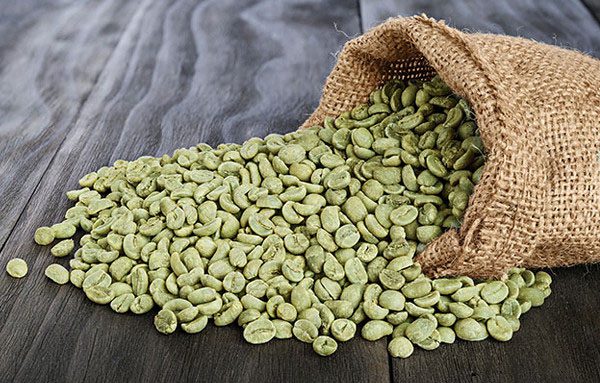
The foundational element of Vietnamese coffee’s taste lies in its predominant use of Robusta beans. Vietnam stands as the world’s leading producer of Robusta, a variety perfectly suited to its climate and terrain. Robusta beans are inherently characterized by a higher caffeine content, resulting in a bolder body and more pronounced bitterness compared to their Arabica counterparts. They also possess a naturally lower acidity, which contributes to the smooth, full-bodied taste unique to Vietnamese coffee, allowing the deeper, earthy flavors to come to the forefront without being overshadowed by sharp, acidic notes often found in other coffee styles.
Traditional Roasting Techniques
Traditional Vietnamese roasting plays a pivotal role in shaping the final flavor profile. Unlike conventional dry roasting, Vietnamese techniques often incorporate additives such as butter, sugar, or even small amounts of rice or corn during the dark, slow roasting process. This unique method contributes significantly to the development of those cherished nutty, chocolatey, and earthy notes, imparting a distinct caramelization and richness to the beans. The resulting roast profile is deep, allowing for a pleasing bitterness and a reduced acidic bite, further enhancing the coffee’s signature smoothness and intensity.
Grinding, Freshness, and the Phin Filter Brewing Method
The journey from bean to brew is further defined by precise grinding, the importance of freshness, and the iconic Phin filter. Vietnamese coffee typically requires a coarse yet consistent grind, specifically calibrated to prevent over-extraction during the slow-drip process. The use of fresh, recently roasted beans is paramount, ensuring maximum vibrancy of flavor.
The Phin filter, a small, individual metal filter, is central to the brewing ritual. Coffee grounds are densely packed within the filter, and hot water is slowly poured over them. This gravity-fed, slow-drip process, often taking several minutes, ensures a highly concentrated and full-bodied extraction. The prolonged contact time between water and coffee, combined with the dense packing, results in a rich, potent brew with a uniquely heavy and creamy mouthfeel, fundamentally contributing to the coffee’s renowned strength and distinct taste.
How do traditional Vietnamese coffee serving styles affect its flavor?
The serving style of Vietnamese coffee is an integral part of its flavor experience, with each method highlighting or transforming the coffee’s inherent characteristics in distinct ways. Traditional preparations like Cà Phê Sữa Đá (iced coffee with sweetened condensed milk) and Cà Phê Đen (black coffee) significantly impact the final taste, offering a range from sweet and creamy to bold and pure. Modern interpretations further expand these flavor profiles.
Cà Phê Sữa Đá (Iced Coffee with Sweetened Condensed Milk)
Perhaps the most iconic Vietnamese coffee globally, Cà Phê Sữa Đá is a symphony of contrasting flavors. The rich, intense, slow-dripped Robusta coffee is poured over a generous layer of sweetened condensed milk, then served over ice. The condensed milk’s inherent creaminess and intense sweetness perfectly cut through the coffee’s natural boldness and characteristic bitterness, creating a harmonious, indulgent, and remarkably smooth flavor profile. Its popularity stems from this exquisite balance, making it a delightful and approachable entry point for those new to Vietnamese coffee, and a beloved classic for many.
Cà Phê Đen (Black Coffee – Hot or Iced)
For those who appreciate the unadulterated essence of Vietnamese coffee, Cà Phê Đen (black coffee, served either hot as nóng or iced as đá) offers a powerful and pure experience. Without the addition of condensed milk, the coffee’s raw strength, robustness, and often slightly smoky or woody notes are fully revealed. This preparation is for connoisseurs who seek the deep, intense flavors of the dark-roasted Robusta in its most authentic form, highlighting its low acidity and profound body. It is particularly appreciated in Northern Vietnam for its invigorating and straightforward character.
Modern Interpretations: Coconut and Egg Coffee
Beyond the classics, modern interpretations have emerged, adding new dimensions to the Vietnamese coffee experience. Coconut Coffee (Cà phê cốt dừa) introduces a tropical twist, where a rich, creamy, and subtly sweet coconut cream is blended with the strong coffee, creating a refreshing and exotic flavor. Egg Coffee (Cà phê trứng), a specialty originating from Hanoi, features a meticulously whisked egg yolk, sugar, and sometimes cheese, creating a rich, custardy, and frothy topping that floats atop a dark coffee base. This luxurious foam transforms the traditional bitter coffee into a unique, dessert-like experience, offering a delightful interplay of textures and sweet, savory notes.
How does Vietnamese coffee compare to other global coffee types?
To fully understand Vietnamese coffee’s unique flavor profile, it’s helpful to compare it with other globally recognized coffee styles. These comparisons highlight its distinct position and the unique sensory experience it offers, particularly when contrasted with espresso, American drip coffee, and other Asian coffees. This perspective helps to underscore its signature boldness, lower acidity, and unique mouthfeel.
Versus Espresso: Intensity and Extraction Differences
While both Vietnamese Phin-brewed coffee and espresso are characterised by their concentrated intensity, their extraction methods lead to distinct taste profiles. Espresso, produced under high pressure, typically features a strong, sharp bitterness, often with a prominent crema on top. Vietnamese coffee, on the other hand, with its slow, gravity-fed Phin drip, results in a brew with a heavier, thicker body and a prolonged, robust flavor that, while intense, is often less acrid than a high-pressure espresso. The Phin method emphasises a deep, even extraction that contributes to its unique mouthfeel rather than the fine, frothy crema of an espresso shot.
Versus American Drip/Brewed Coffee: Acidity, Strength, and Clarity
Compared to American-style drip or brewed coffee, Vietnamese coffee presents a stark contrast in several key areas. American drip coffee typically features a lighter body, often higher acidity, and a “cleaner” or brighter flavor profile, allowing more subtle floral or fruity notes (especially in Arabica light roasts) to emerge. Vietnamese coffee, by virtue of its Robusta beans and dark roast, is defined by its signature bold strength, significantly lower acidity, and prominent earthy and nutty characteristics. The prolonged, concentrated extraction of the Phin filter also contributes to a much denser and more robust brew than the generally quicker, less concentrated drip methods common in the West.
Versus Other Asian Coffees: Shared Traits and Unique Nuances
Vietnamese coffee shares some common ground with other popular coffee styles from Southeast Asia, such as Thai coffee or Malaysian Kopi. A shared trait often includes the use of Robusta beans and the delightful addition of sweetened condensed milk. However, distinct nuances set Vietnamese coffee apart. While Thai coffee might incorporate spices like cardamom, or Malaysian Kopi might involve roasting with margarine and sugar to achieve specific flavor profiles, Vietnamese coffee’s signature lies more profoundly in its particular dark roast with additives (like butter) and the singular, slow-drip Phin method that creates its unmistakable strong, earthy, and chocolatey richness, often with a unique savory-sweet balance from the condensed milk.
Cultural & Sensory Context: Beyond the Cup
The taste of Vietnamese coffee is deeply interwoven with its cultural context, extending beyond just the beverage itself. The surroundings and rituals of its preparation and consumption profoundly shape the sensory experience, offering not just a drink but a moment in time. This includes the meditative Phin brewing process and the social settings in which it is traditionally enjoyed, debunking common myths about its taste.
The Ritual: How Preparation and Setting Shape Perception
The act of preparing Vietnamese coffee with a Phin filter is a slow, patient, almost meditative ritual. Watching each drop slowly fall into the cup below is an unhurried process that invites contemplation and appreciation. This unhurried pace extends to the consumption experience. In bustling Vietnamese cafés, coffee is often savored while perched on small stools, observing vibrant street life, or engaging in leisurely conversations. This communal, immersive environment—the gentle clinking of ice, the murmur of voices, the rich, pervasive aroma—enhances the overall sensory appreciation of the coffee. The taste becomes intertwined with the memory of the moment, making each sip more profound and memorable.
Debunking Common Myths About Vietnamese Coffee Taste
Several misconceptions often surround Vietnamese coffee, primarily the belief that it is “always sweet” or “only consumed with condensed milk.” This is a significant myth. While cà phê sữa đá (with condensed milk) is incredibly popular, cà phê đen (black coffee, hot or iced) is a traditional and widely appreciated preparation. Many locals and purists favor black coffee for its raw intensity and unadulterated flavor, highlighting the bean’s inherent boldness and depth without any added sweetness. This clarifies that the Vietnamese coffee experience is diverse, catering to various palates, not solely defined by its sweetened versions.
What advanced insights can deepen your understanding of Vietnamese coffee flavors?
For those looking to explore the complexities of Vietnamese coffee even further, understanding advanced flavor insights can unlock a deeper appreciation. This includes recognizing how specific origins and microclimates subtly influence flavor profiles, even within the dominant Robusta variety. Additionally, considering the diverse perspectives of enthusiasts and experts can shed light on unique taste notes and cultural appreciation for its inherent characteristics.
How Origin and Microclimate Influence Flavor Subtleties
Within Vietnam, specific growing regions and their unique microclimates impart subtle yet distinct variations in coffee flavor profiles, even within the dominant Robusta variety. For instance, while the Central Highlands, particularly Buon Ma Thuot, are known for robust, full-bodied Robusta with deep earthy notes from its volcanic soils, higher altitude regions like Dalat can produce Robusta beans with slightly brighter acidity or more complex floral undertones. Factors such as soil composition, altitude, rainfall patterns, and even specific cultivation practices create these nuanced differences, allowing for a diverse range of expressions within the overarching “Vietnamese coffee taste.”
Expert and User Perspectives on Unique Taste Notes
Vietnamese coffee’s unique taste is often described with enthusiasm by both locals and international experts. A Hanoi local might describe cà phê sữa đá as “a hug in a cup, strong and sweet,” encapsulating its comforting intensity and rich balance. Experts often note the distinct cocoa nib finish or the subtle spice notes that distinguish high-quality Vietnamese Robusta from other varieties. Addressing potentially “controversial flavor notes,” such as its inherent bitterness, it’s crucial to understand the cultural appreciation for this intensity. What might be considered ‘too bitter’ in other coffee cultures is often a desired quality in Vietnam, providing a robust backbone to the overall flavor experience.
Frequently Asked Questions About Vietnamese Coffee Taste
Why does Vietnamese coffee taste “stronger”?
Vietnamese coffee tastes stronger due to several factors: the use of highly caffeinated Robusta beans, a dark roasting profile, and the slow, concentrated extraction process facilitated by the Phin filter, all contributing to its robust body and intense flavor.
Is Vietnamese coffee always sweet?
No. While sweetened condensed milk is a very popular addition, black Vietnamese coffee (cà phê đen) is a traditional and widely enjoyed preparation, offering a pure, unsweetened experience of its intense, dark-roasted flavors.
Can you get Vietnamese coffee in lighter roasts or with Arabica beans?
Yes. While traditional Vietnamese coffee is typically dark-roasted Robusta, the industry is evolving. Specialty roasters are now offering lighter roasts, and there’s a growing cultivation of Arabica beans in certain regions, catering to a broader spectrum of global preferences.
Does the brewing method matter most, or the bean?
Both the bean (primarily Robusta) and the brewing method (Phin filter) are crucial and interdependent. The Robusta bean provides the foundational bold and earthy characteristics, while the Phin filter is instrumental in expressing that potential in its distinctive strong and full-bodied manner.
How can you brew authentic Vietnamese coffee at home?
Experiencing the authentic taste of Vietnamese coffee is a simple pleasure that can be easily replicated at home with the right equipment and technique. This guide will walk you through the essential items you’ll need and provide step-by-step instructions to brew the perfect cup, allowing you to customize its strength and sweetness to your preference.

Essential Equipment and Ingredients
To brew traditional Vietnamese coffee, you’ll need:
- A traditional Vietnamese Phin filter (typically stainless steel or aluminum).
- Dark roast Vietnamese coffee grounds (preferably 100% Robusta or a Robusta-Arabica blend, coarsely ground).
- Hot water (just off the boil, around 90-95°C or 195-205°F).
- Sweetened condensed milk (optional, but essential for cà phê sữa đá).
- A sturdy glass or mug to brew into, and ice if making iced coffee.
Step-by-Step Brewing for the Perfect Cup
- Prepare the Phin: Place 2-3 tablespoons of Vietnamese coffee grounds into the Phin filter. Gently press down with the tamper/press.
- Initial Bloom: Place the Phin over your cup. Pour a small amount (about 20ml) of hot water over the grounds and let it bloom for 20-30 seconds. This allows the coffee to expand and release CO2.
- Second Pour: Fill the Phin with the remaining hot water (about 80-100ml for a single serving). Cover with the lid.
- Slow Drip: Allow the coffee to slowly drip through the filter into the cup. This typically takes 4-7 minutes.
- Serve: Once dripping stops, remove the Phin. If desired, stir in 1-2 tablespoons of sweetened condensed milk, then add ice for cà phê sữa đá, or enjoy black, hot (cà phê đen nóng) or over ice (cà phê đen đá).
Tips for Customizing Strength and Sweetness
- Adjusting Strength: For a stronger brew, use slightly more coffee grounds or a finer grind (be careful not to make it too fine, or it will clog the Phin). For a milder cup, use less coffee or slightly more water.
- Controlling Sweetness: The amount of sweetened condensed milk is entirely up to personal preference. Start with a small amount and add more until you achieve your desired level of sweetness and creaminess. You can also use regular sugar or other sweeteners with black coffee.
See further:


