

What makes Vietnamese coffee so unique?
Vietnamese coffee stands out in the global landscape due to its distinctive character, rich cultural tapestry, and unique fusion of robust flavors. At its heart, this beloved beverage is defined by the use of strong, full-bodied Robusta beans, a slow-drip brewing process utilizing the iconic Phin filter, and often, the luxurious addition of sweetened condensed milk. This combination results in a drink that is both intensely strong and remarkably smooth, offering a unique experience that goes beyond just a beverage.
As the world’s second-largest coffee exporter, Vietnam’s influence on global coffee culture is undeniable, with its unique brews gaining widespread international recognition. This distinctive flavor profile – characterised by its bold intensity, low acidity, and often notes of chocolate and nuttiness—is further enhanced by a preparation that transforms coffee drinking into a deliberate, almost meditative experience. This article serves as a comprehensive guide, inviting readers on a journey through the profound history, intricate cultural significance, mastering of brewing techniques, discerning selection of beans, and the growing global footprint of Vietnamese coffee. We will explore the journey from its colonial origins to its present-day status as a beloved ritual and a significant global commodity, summarizing its bold flavor, smooth sweetness, and cultural ritual that collectively define this beloved beverage.
How did Vietnamese coffee become so popular?
Vietnamese coffee gained its widespread popularity through a captivating narrative deeply intertwined with the nation’s history and daily life, beginning with its introduction by French colonialists in the mid-19th century. While Arabica trees were initially brought to Vietnam around 1857, the challenging climate and soil conditions in many regions proved more suitable for the hardier Robusta species. This climatic advantage, combined with post-war economic development policies, spurred a significant shift towards Robusta cultivation, transforming Vietnam into the world’s largest producer of this bean type. This dominance of Robusta contributes to the characteristic bold, potent, and less acidic flavor profile of Vietnamese coffee, alongside its notably higher caffeine content, making it a globally recognized and sought-after beverage.
Beyond its agricultural and economic impact, coffee has become an indispensable part of Vietnamese daily life, permeating social customs and routines. From the early morning hours, street-side stalls and bustling cafes serve as communal hubs where individuals gather, sharing conversations and observations over a slow-dripping Phin. This ritualistic approach to coffee drinking fosters a sense of community and provides a moment of contemplation amidst the urban dynamism. The evolution of Vietnamese coffee culture is particularly noted for the ingenious development of Cà Phê Sữa Đá (iced coffee with condensed milk). This iconic concoction emerged during periods of fresh milk scarcity, with sweetened condensed milk becoming a staple, not merely a substitute, but a defining ingredient that balances Robusta’s strength with a unique sweetness and creamy texture. Regional variations further enrich this culture; for instance, Hanoi’s coffee scene is often perceived as more traditional and contemplative, while Ho Chi Minh City boasts a more vibrant, diverse, and rapidly evolving cafe culture. This rich history and adaptation underscore coffee’s integral role in the fabric of Vietnamese society.
What is a Phin filter and how does it work?
The Phin filter is a simple yet ingenious traditional drip filter that lies at the heart of the authentic Vietnamese coffee experience, defining its unique brewing method. This elegant device typically comprises four main components: a small round plate that sits atop the cup, a brewing chamber (the main body) that holds the coffee grounds, a perforated press (or tamper) to keep the grounds submerged, and a lid to retain heat. Most Phin filters are crafted from durable stainless steel or aluminum, ensuring efficient heat retention for optimal extraction. Its design allows hot water to slowly seep through finely ground coffee, producing a concentrated, richly aromatic brew that is characteristic of Vietnamese coffee.
The Phin filter became the quintessential brewing device due to its slow, deliberate drip process, which is perfectly suited to extract the intense flavors from Vietnam’s dark-roasted, often Robusta, coffee beans. This method allows hot water to slowly seep through the finely ground coffee, producing a concentrated, richly aromatic brew—a stark contrast to faster methods like espresso or French press.
Mastering the Phin involves a few key steps for a perfect brew:
- Preparation: Start with approximately 15-20 grams (about 2-3 tablespoons) of medium-coarse to coarse ground dark roast Vietnamese coffee. The grind size is critical; too fine, and the filter will clog; too coarse, and the coffee will be under-extracted.
- Assembly: Place the Phin plate over your chosen mug. Add the coffee grounds into the brewing chamber. Gently shake to level the grounds, then place the perforated press on top without compacting it too tightly, which can impede water flow.
- Pre-wetting (Blooming): Pour a small amount (around 20-30ml) of hot water (ideally 90-96°C or 195-205°F) over the press. Let the coffee bloom for about 20-30 seconds. This allows the grounds to expand and release trapped gases, ensuring a more even extraction.
- Main Pour: After blooming, slowly pour the remaining hot water (around 80-100ml) into the chamber, filling it almost to the top. Place the lid on the Phin.
- Drip & Wait: Allow the coffee to slowly drip into your cup. This process typically takes 4-7 minutes. A slow, steady drip indicates proper extraction; if it drips too fast, your grind might be too coarse or the press too loose. If it clogs, the grind is too fine or the press too tight.
- Serving: Once all the water has dripped through, remove the Phin filter. Your concentrated Vietnamese coffee is now ready to be mixed with condensed milk or served black.
The Phin’s design, with its extended contact time, ensures the extraction of deep, bold flavors and a satisfyingly thick body that characterizes traditional Vietnamese coffee. For maintenance, simply rinse the Phin filter with warm water immediately after use. Occasional scrubbing with a mild detergent can prevent coffee oil buildup. Proper care ensures the longevity of your Phin and consistent optimal brewing.
How can I make Vietnamese coffee at home?
You can easily master Vietnamese coffee at home to truly appreciate its diverse flavor profiles. This section provides detailed, step-by-step guides for brewing three classic variants: Traditional Hot Vietnamese Coffee (Cà Phê Sữa Nóng), Vietnamese Iced Coffee (Cà Phê Sữa Đá), and Black Vietnamese Coffee (Cà Phê Đen), ensuring you can recreate an authentic experience in your own kitchen.
Traditional Hot Vietnamese Coffee (Cà Phê Sữa Nóng)
This rich, sweet, and strong hot coffee is a comforting staple.
-
Ingredient List:
- 20g (approx. 2-3 tablespoons) dark roast Vietnamese Robusta coffee, medium-coarse grind
- 2-3 tablespoons (to taste) sweetened condensed milk (e.g., Longevity Brand)
- 100-120ml hot water (90-96°C / 195-205°F)
- A traditional Phin filter
-
Instructions:
- Prepare your cup: Pre-warm your serving cup by rinsing it with hot water, then dry. This helps maintain the coffee’s temperature.
- Add condensed milk: Spoon the desired amount of sweetened condensed milk into the bottom of the warm cup.
- Set up the Phin: Place the Phin filter assembly (plate and brewing chamber) directly on top of your cup. Add the coffee grounds to the chamber, gently shaking to level them.
- Place the press: Gently place the perforated press on top of the coffee grounds. Do not press down too hard initially.
- Bloom the coffee: Pour about 20-30ml of hot water over the press. Let the coffee bloom for 20-30 seconds. The grounds will swell.
- Main pour: Slowly fill the Phin chamber with the remaining hot water (80-100ml). Place the lid on the Phin.
- Brew time: Allow the coffee to drip slowly. This typically takes 4-7 minutes.
- Serve: Once all the coffee has dripped, remove the Phin filter. Stir the coffee and condensed milk thoroughly until fully combined. Serve immediately.
-
Timing: Optimal brew time is 4-7 minutes for a balanced, concentrated shot.
-
Troubleshooting:
- Too weak/watery: Grind may be too coarse, or water poured too quickly. Ensure proper bloom and slow drip.
- Too bitter/acidic: Coffee might be over-extracted (grind too fine, or pressed too hard). Adjust grind or pressure.
Vietnamese Iced Coffee (Cà Phê Sữa Đá)
Perhaps the most famous Vietnamese coffee, a refreshing blend of strong coffee, condensed milk, and ice.
-
Ingredient List:
- 20g (approx. 2-3 tablespoons) dark roast Vietnamese Robusta coffee, medium-coarse grind
- 2-4 tablespoons (to taste) sweetened condensed milk
- 100-120ml hot water (90-96°C / 195-205°F)
- Plenty of ice cubes
- A traditional Phin filter
- A separate glass for serving
-
Instructions:
- Prepare condensed milk: Spoon sweetened condensed milk into the bottom of your serving glass.
- Set up the Phin: Place the Phin filter assembly on top of the glass containing the condensed milk. Add coffee grounds and place the press as for hot coffee.
- Bloom & Pour: Follow steps 5 and 6 from the hot coffee guide (bloom, then main pour). Place the lid.
- Brew directly: Allow the coffee to drip directly onto the condensed milk. This ensures the coffee cools slightly as it mixes.
- Stir: Once brewed, remove the Phin. Stir the coffee and condensed milk thoroughly.
- Add ice: Fill a separate, larger glass with plenty of ice cubes. Pour the coffee mixture over the ice.
- Serve: Stir again briefly and enjoy immediately.
-
Ice preparation: Use large, dense ice cubes that melt slowly to prevent diluting the strong coffee too quickly.
-
Sweetness variations: Adjust the amount of condensed milk to your preference. Start with less and add more if needed.
Black Vietnamese Coffee (Cà Phê Đen)
For those who prefer their coffee unadulterated, this intensely bold and aromatic black coffee provides a pure experience.
-
Ingredient List:
- 20g (approx. 2-3 tablespoons) dark roast Vietnamese Robusta coffee, medium-coarse grind
- 100-120ml hot water (90-96°C / 195-205°F)
- A traditional Phin filter
-
Instructions:
- Prepare your cup: Pre-warm your serving cup.
- Set up the Phin: Place the Phin filter on your cup. Add coffee grounds and place the press.
- Bloom & Pour: Follow steps 5 and 6 from the hot coffee guide (bloom, then main pour). Place the lid.
- Brew time: Allow the coffee to drip slowly (4-7 minutes).
- Serve: Once brewed, remove the Phin. The black coffee (Cà Phê Đen Nóng) is ready. It can also be served over ice (Cà Phê Đen Đá) for a refreshing black iced coffee.
-
Flavor profile: Expect an intense, robust, and often slightly bitter flavor, with prevalent earthy, nutty, and sometimes chocolatey notes. Without the condensed milk, the true character of the Robusta beans shines through.
-
When and why it’s consumed: Cà Phê Đen is traditionally consumed as a powerful morning energy boost or by those who appreciate the pure, unmasked intensity of the coffee beans. It’s a purist’s choice, offering an uncompromised experience of Vietnamese coffee.

What are the different types of Vietnamese coffee drinks?
Beyond the ubiquitous Cà Phê Sữa Đá (iced coffee with condensed milk) and Cà Phê Đen (black coffee), Vietnamese coffee culture boasts a fascinating array of creative and regional variations, each offering a distinct sensory experience. These innovations highlight the adaptability and culinary artistry inherent in Vietnamese coffee preparation, showcasing a diverse range of flavors and textures for every preference.
Bạc Xỉu (Coffee with less coffee, more milk)
Often mistaken for Cà Phê Sữa Đá, Bạc Xỉu is a delightful, milder version that originated in Southern Vietnam, particularly Ho Chi Minh City. The name itself roughly translates to “white milk with a little coffee.” Its preparation emphasizes a higher ratio of condensed milk (and sometimes a touch of fresh milk or even coconut milk) to coffee, resulting in a significantly creamier, sweeter, and less intensely caffeinated drink. While still possessing the distinct flavor of Vietnamese coffee, the robust bitterness is mellowed by the generous milk component, making it a popular choice for those who prefer a gentler coffee experience or as a refreshing afternoon treat.
Cà Phê Trứng (Egg Coffee)
A true Hanoi specialty, Cà Phê Trứng is a historical and decadent creation that emerged during the French colonial era when fresh milk was scarce. This dessert-like coffee features a rich, airy, and creamy topping made from whipped egg yolk, sugar, and sweetened condensed milk, gently spooned atop a strong shot of black Vietnamese coffee. The contrast between the warm, bitter coffee and the sweet, velvety egg cream creates a harmonious balance of flavors and textures. Served hot, often in a bowl of warm water to maintain its temperature, Cà Phê Trứng offers an unparalleled experience, resembling a liquid tiramisu or a custardy coffee delight.
Coconut Coffee (Cà Phê Cốt Dừa)
A more modern and increasingly popular innovation, Coconut Coffee (Cà Phê Cốt Dừa) offers a refreshing, tropical twist on the classic iced coffee. This variant typically involves blending strong black Vietnamese coffee with frozen coconut milk or fresh coconut cream, often with a touch of sweetened condensed milk or sugar. The result is a creamy, slightly icy, and intensely aromatic beverage that balances the coffee’s robustness with the sweet, fragrant notes of coconut. Particularly popular in tourist areas and warmer regions of Vietnam, Cà Phê Cốt Dừa is a testament to the evolving nature of Vietnamese coffee culture, appealing to those seeking a unique and indulgent cold brew. For home brewing, achieving the ideal texture often involves using high-quality coconut cream and a good blender to create a smooth, frothy consistency.
Contemporary Fusion Drinks
Vietnamese coffee continues to adapt and inspire, leading to a host of contemporary fusion drinks that bridge traditional methods with global cafe trends. From Vietnamese coffee lattes and cold brews infused with unique syrups to creative mocktails featuring Vietnamese coffee as a base, baristas and home brewers are constantly experimenting. Despite these innovations, the essence of Vietnamese coffee—its bold Robusta flavor profile and often the underlying sweetness of condensed milk—remains central. These fusion drinks allow Vietnamese coffee to find new audiences while celebrating its distinct heritage, proving its versatility in an ever-expanding global coffee market.
What kind of coffee beans are used in Vietnamese coffee?
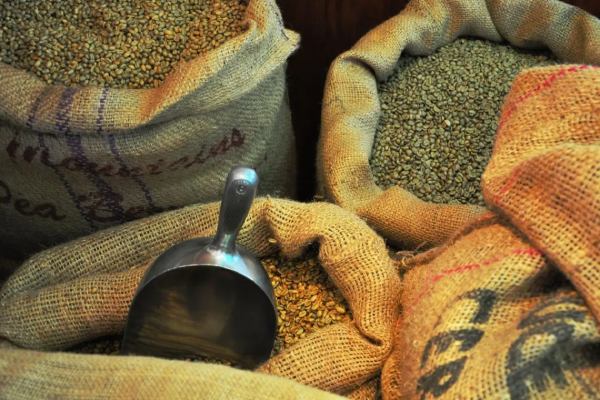
The exceptional character of Vietnamese coffee stems profoundly from its core ingredient: the coffee bean itself. Vietnam’s coffee industry is overwhelmingly dominated by Robusta beans, accounting for over 90% of its production. This prevalence is due to Robusta’s inherent resilience, its ability to thrive in Vietnam’s specific climate and soil conditions, and its significantly higher yield compared to Arabica. Understanding the nuances of bean selection, particularly the distinction between Robusta and Arabica, is crucial for appreciating the beverage’s unique profile.
Understanding Robusta vs. Arabica
Vietnam’s coffee industry is overwhelmingly dominated by Robusta beans, accounting for over 90% of its production. This prevalence is due to several key factors: Robusta’s inherent resilience, its ability to thrive in Vietnam’s specific climate and soil conditions, and its significantly higher yield compared to Arabica. Economically, Robusta is also more cost-effective to produce, making Vietnam the world’s largest Robusta exporter.
- Flavor Profile Differences:
- Robusta: Known for its bold, strong, and intense flavor. It often presents nutty, earthy, and chocolatey notes, with a higher bitterness and rubbery undertone in lower-quality beans. Crucially, Robusta contains nearly double the caffeine of Arabica, delivering a powerful energy boost. Its crema (the reddish-brown foam on top of an espresso) is typically thicker and more persistent.
- Arabica: Generally celebrated for its more delicate, aromatic, and complex flavor profile. It boasts fruitier, floral, and acidic notes, with a sweeter taste and a lighter body. Arabica is preferred for specialty coffee worldwide.
Distinguishing high-quality Robusta is important; premium Robusta beans will offer a smoother finish with less harshness or rubbery notes, retaining their inherent strength and depth of flavor.
The Emerging Specialty Arabica Movement in Vietnam
While Robusta reigns supreme, there’s a burgeoning movement towards specialty Arabica cultivation in certain highland regions of Vietnam, such as Da Lat and Son La. These efforts aim to diversify Vietnam’s coffee offerings and tap into the growing global demand for high-quality, complex Arabica beans, showcasing the country’s potential beyond its traditional Robusta stronghold.
Choosing Quality Vietnamese Beans
For both importers and consumers, selecting quality Vietnamese beans is paramount to an authentic and satisfying experience.
- Identification: Look for authentic Vietnamese coffee beans, by checking the packaging for origin information (e.g., “Product of Vietnam,” “Grown in Dak Lak”). Reputable Vietnamese brands will clearly state their origin and bean type.
- Roast Levels: Traditional Vietnamese coffee is almost exclusively made from dark-roasted beans. This heavy roast contributes to the characteristic bold, sometimes smoky flavor that stands up well to condensed milk.
- Reputable Vietnamese Brands: Several well-known brands dominate the market, offering consistent quality. Trung Nguyên is perhaps the most globally recognized, known for its extensive range from traditional blends to civet coffee. Highlands Coffee is another prominent player, famous for its cafe chain and popular blends. Other quality local brands, often found in specialty stores, are emerging and gaining recognition for their premium offerings.
- Certifications: Seek out beans with relevant quality standards or certifications, such as VietGAP (Vietnamese Good Agricultural Practices), organic certifications, or fair trade labels. These not only signal higher quality and sustainable practices but also build trust in the supply chain, aligning with the values of platforms dedicated to connecting quality Vietnamese manufacturers with international importers. See more about: Vietnam Organic Farming: Growth & Standards
- Storage & Freshness: Always check the roast date if possible. Coffee is best consumed within a few weeks of roasting. Store whole beans in an airtight, opaque container in a cool, dark place to preserve their freshness and flavor. Grind beans just before brewing for the optimal taste experience.
7. Cultivating Authenticity: Vietnamese Coffee Excellence
Authenticity is paramount for Vietnamese coffee, as its true essence, from historical roots to nuanced preparation, is underpinned by deep knowledge, meticulous craftsmanship, and an unwavering commitment to quality. This article, much like the industry it describes, is built on a foundation of extensive expertise and experience in Vietnamese coffee culture, varieties, and historical significance. Our insights are drawn from a comprehensive understanding of traditional preparation methods, the intricate journey from bean to brew, and the evolving dynamics of its market presence. This dedication to authenticity ensures that the content not only educates but also conveys a deep, credible understanding of this unique beverage, fostering trust and relatability for readers and importers alike.
Our authority is further reinforced by a dedication to accurate sourcing and profound industry insights. The historical information and cultural details presented here are fact-checked against established sources and informed by the perspectives of Vietnamese coffee specialists, local cafe owners, and specialty coffee professionals. This rigorous approach ensures that the content not only educates but also conveys a deep, credible understanding of the subject matter.
Transparency and trustworthiness are paramount. We are committed to providing accurate, up-to-date information, explicitly acknowledging regional variations in coffee preparation and consumption to reflect the diverse perspectives within Vietnam’s rich coffee heritage. This open approach fosters a reliable resource for anyone seeking genuine insights into Vietnamese coffee.
Where can I buy authentic Vietnamese coffee beans and equipment?
To truly immerse yourself in the world of Vietnamese coffee, selecting the right beans and equipment is essential. You can source authentic Vietnamese coffee beans and equipment from various reputable channels. This buying guide offers practical advice and recommendations to curate an authentic and satisfying experience, whether you’re looking for online retailers, specialty coffee shops, local markets, or even direct connections with manufacturers and exporters.
Where to Source Authentic Vietnamese Coffee Beans
Finding genuine Vietnamese coffee beans, especially quality Robusta, is becoming increasingly accessible:
- Online Retailers: Numerous e-commerce platforms specialize in Vietnamese coffee, often stocking reputable brands and specialty roasters. Look for sites that provide detailed origin information, roast dates, and clear descriptions of bean types.
- Specialty Coffee Shops: Many independent and specialty coffee shops globally are now sourcing and roasting Vietnamese beans. These shops often have knowledgeable staff who can offer recommendations based on your preferences.
- Authentic Vietnamese Markets/Stores: For those in areas with significant Vietnamese communities, local Asian markets or dedicated Vietnamese grocery stores are excellent sources for traditional brands and fresh imports.
- Direct from Manufacturers/Exporters: For businesses or individuals interested in larger volumes or specific sourcing, connecting directly with Vietnamese manufacturers and exporters is an option. Platforms like VNCOMMEX specialize in providing “Verified Supplier Connection,” helping international importers access trustworthy, high-quality Vietnamese producers, ensuring product integrity from farm to cup.
See further: Why Vietnam is a Top Choice for Coffee Sourcing
Essential Equipment
While Vietnamese coffee can be brewed with various methods, the traditional Phin filter is paramount for an authentic experience.
- Phin Filters: Available in different materials (stainless steel, aluminum) and sizes (single-serving to larger). Stainless steel is often preferred for durability and heat retention. Look for filters with a well-fitting press and appropriate hole sizes for a slow, consistent drip.
- Coffee Scales: For precise and consistent brewing, a digital coffee scale is invaluable. Accurate measurement of both coffee grounds and water ensures repeatable results.
- Grinders: A conical burr grinder is highly recommended. It provides a consistent, even grind (medium-coarse to coarse), which is crucial for optimal extraction in a Phin filter. Blade grinders produce inconsistent grinds, leading to uneven extraction.
- Specialty Mugs/Glasses: While not essential, traditional clear glass mugs or tall glasses enhance the visual appeal of Cà Phê Sữa Đá, allowing you to appreciate the layers of coffee and condensed milk.
Quality Indicators for Beans and Equipment
- Beans:
- Roast Date: Always prioritize freshly roasted beans. A roast date within a few weeks is ideal for peak flavor.
- Origin: Look for specific regions like Dak Lak or Lam Dong, known for quality Robusta.
- Species: Ensure it’s clearly labeled as Robusta or Arabica, depending on your preference.
- Absence of Artificial Flavorings: Authentic Vietnamese coffee relies on the natural flavor of the beans and traditional roasting. Avoid beans with artificial butter or vanilla flavorings.
- Phin Filter:
- Sturdy Construction: A well-built Phin will last longer and perform better.
- Proper Hole Size: The holes in both the plate and the press should be adequately sized to allow slow, even water flow without clogging.
- Food-Grade Materials: Ensure the material, especially stainless steel, is food-grade (e.g., 304 food-grade stainless steel) to avoid any metallic taste or contamination.
Geographic Availability & Avoiding Counterfeit Products
Vietnamese coffee is increasingly available outside of Vietnam, but vigilance is key. When purchasing well-known brands or products claiming specific origins, verify authenticity by checking for official seals, detailed packaging, and purchasing from reputable vendors. Be wary of unusually low prices for premium products. By adhering to these guidelines, you can confidently source high-quality Vietnamese coffee beans and equipment, ensuring a truly authentic and enjoyable brewing experience.
Common questions about Vietnamese coffee
Here are answers to some commonly asked questions about Vietnamese coffee, covering topics from its strength and brewing methods to cultural significance and preparation tips. These FAQs aim to address typical queries and provide clear, concise information for both new enthusiasts and seasoned drinkers.
-
Is Vietnamese coffee stronger than other coffees? Yes, typically. This is primarily due to the high concentration of Robusta beans, which naturally contain significantly more caffeine than Arabica. Additionally, the traditional Phin filter brewing method extracts a very concentrated and potent brew, contributing to its perceived strength.
-
Can I use regular coffee in a Phin filter? You can, but for the most authentic flavor, dark roast Vietnamese Robusta coffee is highly recommended. If using other beans, ensure they are dark roasted and ground to a medium-coarse consistency, similar to a French press, to allow for proper extraction through the Phin’s slow drip.
-
What’s the difference between Vietnamese coffee and Thai coffee? While both are strong and often served iced with condensed milk, key differences lie in the beans and spices. Vietnamese coffee predominantly uses Robusta beans for its bold flavor. Thai coffee, while strong, often uses a blend of Robusta and Arabica, and frequently incorporates spices like cardamom, star anise, or even tamarind, giving it a distinct aromatic profile.
-
How do I clean and maintain a Phin filter? Cleaning a Phin filter is simple. After each use, rinse all components thoroughly with warm water. For occasional buildup, scrub gently with a soft sponge and mild dish soap. Avoid abrasive cleaners that could scratch the metal. Ensure it’s completely dry before storing to prevent water spots or rust.
-
Why is condensed milk used instead of regular milk? The use of sweetened condensed milk in Vietnamese coffee originated out of historical necessity during the French colonial period when fresh milk was scarce and refrigeration was limited in the hot climate. Beyond its preservative qualities, condensed milk provides a unique, rich sweetness and creamy texture that perfectly complements the strong, bitter Robusta coffee, creating an iconic flavor profile.
-
Can Vietnamese coffee be made without condensed milk? Absolutely. Cà Phê Đen (black Vietnamese coffee) is a traditional and popular variant. It is brewed black, either hot (Cà Phê Đen Nóng) or over ice (Cà Phê Đen Đá), offering an intense and unadulterated experience of the coffee’s bold flavor.
-
What is the ideal grind size for a Phin filter? The ideal grind size for a Phin filter is medium-coarse to coarse, similar to what you would use for a French press. This allows the water to drip slowly and extract maximum flavor without clogging the filter or resulting in over-extraction and bitterness.
How does Vietnamese coffee compare to other global coffees?
Vietnamese coffee carves out a unique identity amidst the diverse tapestry of global coffee traditions due to its distinct characteristics. While Italian espresso focuses on quick, high-pressure extraction of often Arabica beans, and Turkish coffee involves finely ground beans boiled directly in water, Vietnamese coffee distinguishes itself with its slow-drip Phin filter method and the inherent boldness of Robusta. Unlike Ethiopian pour-over, which highlights bright, nuanced Arabica flavors, Vietnamese coffee offers an experience defined by its robust strength and the harmonious balance it achieves with sweetened condensed milk, setting it apart as a profoundly satisfying and culturally rich beverage in the global context.
Modern trends reveal Vietnamese coffee’s increasing integration into the global specialty coffee movement. While traditionally associated with mass-produced Robusta, there is a growing appreciation for single-origin Vietnamese Robusta that highlights its inherent quality when cultivated and processed with care. These modern adaptations not only introduce Vietnamese coffee to new markets but also encourage local producers to innovate while maintaining the authenticity and unique essence of their product.
See more about: Vietnam Coffee Export Value 2011 – 2025
Considering health and nutritional aspects, Vietnamese coffee, particularly when made with Robusta, generally has a higher caffeine content compared to Arabica-based coffees, providing a significant energy boost. Consumers should be mindful of the calorie and sugar content associated with sweetened condensed milk, which is a key ingredient in many traditional preparations. Black Vietnamese coffee offers a low-calorie alternative while retaining the stimulating effects.
How can visuals enhance understanding of Vietnamese coffee?
Visual elements are indispensable for truly conveying the richness and multi-sensory journey of Vietnamese coffee. High-quality, clear photographs can bring the narrative to life by meticulously illustrating each stage of the brewing process, from precise measurements of coffee grounds to the slow, mesmerizing drip of the Phin filter and the final presentation of each drink variant. These step-by-step visuals serve as an invaluable guide for home brewers, transforming complex instructions into an easily digestible and engaging experience, thereby enhancing overall understanding and appreciation of Vietnamese coffee.
Infographics can further enhance understanding by visually comparing different coffee types (Robusta vs. Arabica characteristics), highlighting key growing regions, or breaking down the components of a Phin filter. These visual aids simplify complex information, making them accessible and memorable for readers.
Beyond technical details, cultural context images are crucial for immersion. Photos depicting bustling Vietnamese café scenes, the intricate process of bean harvesting, and snapshots of traditional social practices surrounding coffee consumption—from street vendors to intimate gatherings—provide a vivid backdrop to the beverage’s cultural significance. These images help readers visualize the experience and connect with the heart of Vietnamese coffee culture.
Integrating key Vietnamese terms, such as Cà Phê Sữa Đá, Phin, and Bạc Xỉu, accompanied by their romanization and clear English translations, adds authenticity and enriches the reader’s understanding of the language and culture. This not only makes the content more informative but also respectful of its origins.
Throughout the article, maintaining cultural sensitivity in representing Vietnamese coffee traditions and social practices is paramount. The visuals and language aim to bridge traditional methods with modern café culture, offering a holistic and respectful portrayal. Ultimately, through compelling visual storytelling and comprehensive information, readers are encouraged to experience Vietnamese coffee for themselves—whether by brewing it at home, exploring local cafes that serve authentic Vietnamese brews, or even planning a journey to Vietnam to immerse themselves in its vibrant coffee scene.


