VnCommEx
Hợp tác xuất khẩu SUBSCRIBE
VnCommEx
Hợp tác xuất khẩu SUBSCRIBE
  • VCE
  • Product Catalogue
  • Market Insight
    • Wood & Furniture
    • Garment & Footwear
    • Food & Spicy Industry
    • Fruit & Vegetable
    • Others
    • Market Insights
  • Vietnam Market
    • Vietnam Commodity Market Price
    • Vietnam Export Data
    • Vietnam in FTA
  • Publication
  • About Us
  • English
    • 中文 (中国)
    • Tiếng Việt
VnCommEx
VnCommEx
  • VCE
  • Product Catalogue
  • Market Insight
    • Wood & Furniture
    • Garment & Footwear
    • Food & Spicy Industry
    • Fruit & Vegetable
    • Others
    • Market Insights
  • Vietnam Market
    • Vietnam Commodity Market Price
    • Vietnam Export Data
    • Vietnam in FTA
  • Publication
  • About Us
  • English
    • 中文 (中国)
    • Tiếng Việt
All Right Reserved. Designed and Developed by PenciDesign
Vietnam Commodity Market Price

Vietnam Agriculture Price From March 27th – April 2nd, 2025

by Henry Truong April 3, 2025
written by Henry Truong

Note: This price is the Vietnam domestic market price (Exchange rate April 2nd, 2025). Please contact us if you want to know the EXW, FOB, or CNF prices.

Source: Department of Industry and Trade or Department of Agriculture of provinces in Vietnam

CommodityTypeLowest Price (USD/Kg)Highest (USD/Kg)
TROPICAL FRUIT
Dragon FruitRed Flesh Dragon Fruit0.540.85
White Flesh Dragon Fruit0.350.54
JackfruitJackfruit0.660.85
PomeloNăm Roi Pomelo0.580.97
Green Skin Pomelo0.700.78
MangoKeo Mango0.140.27
Sweet Hoa Loc Mango1.161.55
CoconutGreen Siam Coconut0.480.85
Macapuno Coconut0.490.64
Dried Coconut1.471.74
BananaBanana0.390.58
PinapplePineapple0.160.29
LimesLimes0.190.27
Persian Lime0.620.78
AvocadoButter Avocado0.580.97
Booth Avocado0.781.36
034 Avocado1.161.36
Hass Avocado1.942.13
Pinkerton Avocado1.942.13
DurianMekong Delta
Premium Ri6 Durian2.642.91
Ri6 Durian (Bulk)1.471.55
Premium Monthong Durian4.464.85
Monthong Durian (Bulk)1.942.33
SPICE INDUSTRY
PepperPepper (Đắk Lắk Province)6.130.00
Pepper (Gia Lai Province)6.090.00
Pepper (Đắk Nông Province)6.130.00
Pepper (Bà Rịa - Vũng Tàu Province)6.090.00
Pepper (Bình Phước Province)6.090.00
Pepper (Đồng Nai Province)6.090.00
ChilliGoat Horn Chili0.851.74
GingerGinger0.781.55
PeanutPeanuts (Grade 1)1.940.00
Peanuts (Grade 2)1.820.00
Peanuts with Shell (Fresh)0.970.00
FOOD INDUSTRY
RiceSticky Rice0.810.85
Regular Rice0.580.62
Nàng Nhen Rice1.090.00
Thai Fragrant Long Grain Rice0.780.85
Jasmine Fragrant Rice0.700.78
Hương Lài Rice0.850.00
Standard White Rice0.660.00
Nàng Hoa Rice0.850.00
Regular Sóc Rice0.700.00
Thailand Rice0.810.00
Taiwanese Fragrant Rice0.810.00
Japanese Rice0.850.00
Bran0.310.35
CoffeeGreen Coffee Beans - Đắk Lăk Province (Bulk)5.180.00
Green Coffee Beans - Lâm Đồng Province (Bulk)5.130.00
Green Coffee Beans - Gia Lai Province (Bulk)5.180.00
Green Coffee Beans - Đắk Nông Province (Bulk)5.180.00
CornCorn0.200.35
TeaFresh Tea Bud (Seed)0.390.00
Fresh Tea Bud (Branch)0.470.00
Cashew nutWhite Cashew Kernel W2407.379.69
White Cashew Kernel W3206.9811.44
White Cashew Kernel W4506.598.34
Broken White Cashew Kernel WS6.408.14
Macadamia nutFresh Macadamia - Đăk Lăk Province2.713.49
Fresh Macadamia - Lâm Đồng Province2.603.49
Fresh Macadamia - Đắk Nông Province2.683.68
Fresh Macadamia - Bình Định Province2.914.65
Dried Macadamia - Đắk Lắk Province12.8013.96
Dried Macadamia - Lâm Đồng Province12.8013.96
Dried Macadamia - Đắk Nông Province12.8013.96
Cacao beansBulk Cocoa Bean2.332.52
Fermented Cocoa Bean Grade I2.642.75
Fermented Cocoa Bean Grade II3.223.30
Fermented Cocoa Bean Grade III3.493.64
Fresh Cocoa Bean Price0.240.25
Pure Cocoa Powder5.436.98

See more:

  • Vietnam Agriculture Price From March 19th – 26th, 2025
  • Vietnam Agriculture Price From March 12th – 18th, 2025
  • Vietnam Agriculture Price From March 5th – 11th, 2025
  • Vietnam Agriculture Price From February 27th – March 4th, 2025
  • Vietnam Agriculture Price From February 20th – 26th, 2025

April 3, 2025 0 comment
0 FacebookTwitterLinkedinWhatsapp
Food & Spicy IndustryMarket Insights

Vietnam’s Processed Food Sector: Key Drivers of Export Growth

by Henry Truong March 31, 2025
written by Henry Truong

How is Vietnam’s processed food export industry performing?

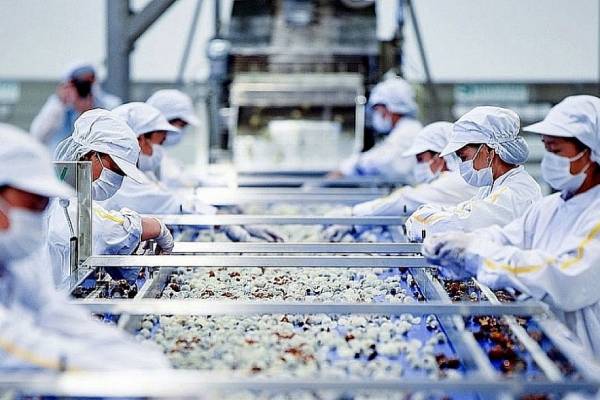
Vietnam’s processed food export industry is experiencing remarkable growth, significantly bolstering the nation’s economy and global market standing. In 2024, total agricultural, forestry, and fishery exports are estimated to reach approximately $62.4 billion, an 18.5% increase from 2023, setting a new record for Vietnam’s agricultural sector. The processed food industry plays a pivotal role, contributing significantly to this growth; it accounted for approximately 19.1% of total industrial production value in 2020, with an average growth rate of 7% per year between 2016 and 2020. By 2023, processed agricultural and food products (including semi-processed and deeply processed goods) accounted for around 30% of total exports, driven by the adoption of modern technology and compliance with international standards such as HACCP and GlobalGAP. However, despite this substantial growth, Vietnam’s food processing technology remains relatively underdeveloped, with only about 30% of businesses applying modern processing technology, leading to lower value-added products and significant post-harvest losses of up to 10-15% for agricultural products (Source: Vietnam News, 2023). This results in a value-added rate of only about 25-30%, significantly lower than the 40-50% average in neighbouring countries like Thailand.

Why is global demand for high-quality processed food increasing?

Global demand for high-quality processed food is increasing sharply, particularly for clean, organic, and convenient products, creating a golden opportunity for Vietnam’s food processing industry. The global processed food market was valued at $4.2 trillion in 2023 and is projected to grow at a CAGR of 5.8% from 2024 to 2029, with the Asia-Pacific region leading this growth (Statista, 2024). This trend is mirrored in Vietnam, where a 2023 Nielsen survey indicated that 85% of consumers are willing to pay higher prices for safe and high-quality food. Vietnamese products like processed seafood, frozen fruits, and instant coffee are well-positioned to meet this rising demand, with fruit and vegetable exports reaching $3.34 billion in 2022 (Ministry of Industry and Trade, 2023). This shift not only drives revenue growth but also encourages investment in advanced processing technology, increasing value-added potential and expanding Vietnam’s footprint in international markets.

What makes Vietnam competitive in food processing?

Vietnam’s processed food industry is highly competitive due to its intrinsic strengths, including abundant raw materials and competitive production costs. These factors enable Vietnam to meet domestic demand while solidifying its presence in the global market, making it an attractive destination for investors seeking sustainable profitability.

Does Vietnam have enough raw materials for food processing?

Yes, Vietnam boasts a diverse and plentiful supply of raw materials, providing a strong foundation for its food processing industry. According to the Ministry of Agriculture and Rural Development (2024), Vietnam ranks among the world’s top producers of agricultural and seafood products, with seafood output reaching 8.9 million tons in 2023, including 3.8 million tons from aquaculture (USDA Foreign Agricultural Service, 2024). Additionally, Vietnam’s 2023 production of rice (43 million tons), coffee (1.8 million tons), and cashew nuts (3.5 million tons) (General Statistics Office, 2024) ensures a stable supply for processed products such as parboiled rice, instant coffee, and roasted cashew nuts. This abundance reduces dependency on imported materials, enhances business autonomy, and ensures the ability to fulfil large international orders.

How does Vietnam’s climate benefit its food processing industry?

Vietnam’s tropical monsoon climate significantly benefits its food processing industry by enabling year-round crop cultivation and diversification of agricultural products. With 33.1 million hectares of agricultural land (over 70% of the total land area), Vietnam produces a variety of tropical fruits such as dragon fruit, mango, durian, and rambutan, catering to the rising global demand for frozen and canned processed foods. According to the Ministry of Industry and Trade (2023), fruit and vegetable exports reached $3.34 billion in 2022 and are expected to surpass $4 billion by 2024, driven by demand from markets such as the U.S., EU, and Japan. This favourable climate not only ensures high yields but also strengthens Vietnam’s competitive edge in supplying premium-quality raw materials for global food processing.

Are production costs in Vietnam competitive for food processing?

Yes, low production costs are a key factor attracting investment in Vietnam’s food processing industry. According to the International Labour Organization (ILO, 2023), the average wage in Vietnam’s agriculture and processing sectors in 2023 was $250 per month, significantly lower than Thailand ($400 per month) and Malaysia ($550 per month). Additionally, industrial land rental costs in Vietnam average between $80-120 per square meter for a 50-year lease (CBRE Vietnam Report, 2024), which is 20-30% lower than neighbouring countries like Indonesia and the Philippines. This cost advantage enables businesses to optimize input expenses, increase profit margins, and compete effectively in the international market, particularly in value-added products like frozen seafood and packaged foods.

How do FTAs help Vietnam’s food exports?

Vietnam’s proactive participation in Free Trade Agreements (FTAs) significantly helps its processed food industry by opening access to international markets at reduced costs and with enhanced competitive advantages. As of 2025, Vietnam has signed and implemented 18 FTAs, including major agreements such as the EVFTA (Vietnam-EU), CPTPP, and RCEP, which eliminate export tariffs on over 70% of processed food products exported to the EU (Ministry of Industry and Trade, 2023). For example, within four years of EVFTA implementation (2020-2024), exports to the EU exceeded $200 billion, with an annual growth rate of 12-15% (General Statistics Office, 2024). These FTAs not only facilitate export growth but also attract foreign investment in processing infrastructure and technology, enabling Vietnamese enterprises to enhance product quality and meet international standards. This strategic advantage positions the industry as a key player in the global value chain.

Conclusion: Unlocking Vietnam’s Full Potential

Vietnam’s processed food export industry is on the cusp of significant expansion, with vast opportunities to increase market share and enhance product value. While challenges in technology and processing quality remain, strategic investments and sustainable development initiatives can position Vietnam as a leading food processing hub in the region. To achieve this, businesses must prioritize innovation, adopt modern technologies, and leverage FTAs to strengthen global competitiveness and capture emerging market opportunities.

Maybe you will like: Agriculture 4.0: Breakthrough Technology & Outstanding Benefits

March 31, 2025 0 comment
0 FacebookTwitterLinkedinWhatsapp
Vietnam Commodity Market Price

Vietnam Agriculture Price From March 19th – 26th, 2025

by Henry Truong March 27, 2025
written by Henry Truong

Note: This price is the Vietnam domestic market price (Exchange rate March 27th, 2025). Please contact us if you want to know the EXW, FOB, or CNF prices.

Source: Department of Industry and Trade or Department of Agriculture of provinces in Vietnam

CommodityTypeLowest Price (USD/Kg)Highest (USD/Kg)
TROPICAL FRUIT
Dragon FruitRed Flesh Dragon Fruit0.981.17
White Flesh Dragon Fruit0.390.47
JackfruitJackfruit0.660.86
PomeloNăm Roi Pomelo0.590.98
Green Skin Pomelo0.700.78
MangoKeo Mango0.160.35
Sweet Hoa Loc Mango1.171.56
CoconutGreen Siam Coconut0.390.86
Macapuno Coconut0.450.55
Dried Coconut1.481.76
BananaBanana0.390.47
PinapplePineapple0.160.29
LimesLimes0.200.27
Persian Lime0.630.70
AvocadoButter Avocado0.700.86
Booth Avocado0.781.37
034 Avocado1.171.37
Hass Avocado1.952.15
Pinkerton Avocado1.952.15
DurianMekong Delta
Premium Ri6 Durian3.053.32
Ri6 Durian (Bulk)1.561.88
Premium Monthong Durian5.395.86
Monthong Durian (Bulk)2.342.74
SPICE INDUSTRY
PepperPepper (Đắk Lắk Province)6.130.00
Pepper (Gia Lai Province)6.100.00
Pepper (Đắk Nông Province)6.150.00
Pepper (Bà Rịa - Vũng Tàu Province)6.100.00
Pepper (Bình Phước Province)6.100.00
Pepper (Đồng Nai Province)6.100.00
ChilliGoat Horn Chili0.861.76
GingerGinger0.781.56
PeanutPeanuts (Grade 1)1.950.00
Peanuts (Grade 2)1.840.00
Peanuts with Shell (Fresh)0.700.00
FOOD INDUSTRY
RiceSticky Rice0.820.86
Regular Rice0.590.63
Nàng Nhen Rice1.090.00
Thai Fragrant Long Grain Rice0.780.86
Jasmine Fragrant Rice0.700.78
Hương Lài Rice0.860.00
Standard White Rice0.660.00
Nàng Hoa Rice0.860.00
Regular Sóc Rice0.700.00
Thailand Rice0.820.00
Taiwanese Fragrant Rice0.820.00
Japanese Rice0.860.00
Bran0.310.35
CoffeeGreen Coffee Beans - Đắk Lăk Province (Bulk)5.290.00
Green Coffee Beans - Lâm Đồng Province (Bulk)5.260.00
Green Coffee Beans - Gia Lai Province (Bulk)5.290.00
Green Coffee Beans - Đắk Nông Province (Bulk)5.290.00
CornCorn0.200.35
TeaFresh Tea Bud (Seed)0.390.00
Fresh Tea Bud (Branch)0.470.00
Cashew nutWhite Cashew Kernel W2407.429.77
White Cashew Kernel W3207.0311.53
White Cashew Kernel W4506.648.40
Broken White Cashew Kernel WS5.749.38
Macadamia nutFresh Macadamia - Đăk Lăk Province2.743.52
Fresh Macadamia - Lâm Đồng Province2.623.52
Fresh Macadamia - Đắk Nông Province2.703.71
Fresh Macadamia - Bình Định Province2.934.69
Dried Macadamia - Đắk Lắk Province12.9014.07
Dried Macadamia - Lâm Đồng Province12.9014.07
Dried Macadamia - Đắk Nông Province12.9014.07
Cacao beansBulk Cocoa Bean2.342.54
Fermented Cocoa Bean Grade I2.662.77
Fermented Cocoa Bean Grade II3.243.32
Fermented Cocoa Bean Grade III3.523.67
Fresh Cocoa Bean Price0.240.25
Pure Cocoa Powder5.477.03

See more:

  • Vietnam Agriculture Price From March 12th – 18th, 2025
  • Vietnam Agriculture Price From March 5th – 11th, 2025
  • Vietnam Agriculture Price From February 27th – March 4th, 2025
  • Vietnam Agriculture Price From February 20th – 26th, 2025
  • Vietnam Agriculture Price From February 11th – 19th, 2025

March 27, 2025 0 comment
0 FacebookTwitterLinkedinWhatsapp
Market Insights

Agriculture 4.0: Breakthrough Technology & Outstanding Benefits

by Henry Truong March 25, 2025
written by Henry Truong

What is high-tech agriculture and why is it important?

High-tech agriculture (HTA) is the application of scientific and technological advancements in agricultural production, crucial for improving productivity, product quality, and minimizing environmental impact. It’s important because it leverages innovations like smart greenhouses, automated irrigation systems, and the use of drones and robots in harvesting to significantly enhance farming efficiency and address global food security challenges.

In the future, HTA is expected to continue its exponential growth, particularly thanks to advancements in AI, the Internet of Things (IoT), and biotechnology. According to McKinsey (2024), the global HTA market is projected to reach USD 22 billion by 2026, growing at a rate of 18% per year. AI and drone technology will enable 90% accurate pest forecasting and reduce pesticide use by 50%. The “Farm-to-Table” trend combined with blockchain technology is also on the rise, ensuring transparent traceability of product origins.

Countries like the United States, Japan, and the Netherlands are heavily investing in HTA research and development to secure food security in the face of a growing global population and complex climate change. In Vietnam, Organic agriculture and HTA is developing rapidly with models such as high-tech farms in Da Lat, Vingroup’s VinEco, and drone applications in rice cultivation by Loc Troi Group. As a result, Vietnam has significantly improved the productivity and quality of its agricultural products, enhancing export potential.

You can learn more about the overview of global organic agriculture here.

What are the main benefits of high-tech agriculture?

High-tech agriculture (HTA) offers exceptional economic, social, and environmental benefits. For example, precision farming systems can increase productivity by 20-30% compared to traditional methods, while simultaneously reducing water usage by 30-50% through drip irrigation technology and IoT sensors, according to FAO (2023). Furthermore, a McKinsey (2024) study found that applying AI and robotics in agriculture could cut labor costs by 25%, particularly in planting and harvesting. Environmentally, HTA helps reduce greenhouse gas emissions by 15-20% by limiting the use of chemical pesticides and fertilizers.

In Vietnam, models like TH True MILK and Vinamilk have demonstrated effectiveness by increasing milk production by 40% while ensuring international food safety standards. Additionally, HTA opens up opportunities for high-quality agricultural exports, with export value growing by 10-15% annually. These benefits show that HTA not only improves production efficiency but also aims for sustainable development.

What key technologies are used in high-tech agriculture?

1. Automation and Robotics

This technology utilizes robots and smart machinery to replace manual labour in planting, care, and harvesting processes. For example:

  • Harvest robots (such as the strawberry-picking robot by Harvest CROO in the U.S.) can harvest 10 times faster than humans (AgFunder, 2023).
  • Drones spray pesticides and fertilizers with high precision, reducing chemical usage by 30% (PwC report, 2024).

2. Biotechnology 

This includes solutions such as genetic improvement, beneficial microorganisms, and biological products to boost productivity and protect crops:

  • Genetically modified organisms (GMO) like pest-resistant corn and soybeans help increase yields by 20-35% (ISAAA, 2023).
  • Microbial fertilizers reduce chemical fertilizers by 50% while improving soil quality (Research by Wageningen University, the Netherlands)

3. Sensor Technology and Big Data (IoT) 

Sensors, AI, and cloud computing systems monitor and optimize production:

  • Soil and weather sensors measure moisture, pH, and temperature, ensuring precise irrigation forecasts.
  • Data analysis software (such as Climate FieldView) suggests planting schedules, reducing crop failure risks by 15% (IBM report, 2023).

4. Hydroponics, Aeroponics, and Greenhouses

  • Hydroponics: Growing plants in nutrient solutions, saving 90% water and yielding three times higher output (e.g., AeroFarms – U.S.).
  • Aeroponics: Nutrient mist sprayed directly onto roots, promoting 30% faster plant growth (NASA applied this technology for space agriculture).

High-tech greenhouses in Israel/Netherlands: Automatically control temperature and light, achieving yields 5-10 times higher than conventional greenhouses.

Applications in Vietnam

  • Da Lat’s hydroponic vegetables (by Hong Forest Company) are exported to Japan and the EU.
  • High-tech greenhouses in Lam Dong grow strawberries and flowers that meet GlobalGAP standards.

These technologies are shaping the future of sustainable, efficient agriculture that is less dependent on natural conditions.

HTA is revolutionizing agricultural production. From automated farms in Israel, and smart greenhouses in the Netherlands, to advanced hydroponic and aeroponic models in Vietnam, HTA has proven its superior efficiency in productivity, quality, and sustainability. With the continuous development of science and technology and supportive policies from governments, HTA will undoubtedly continue to thrive, serving as a critical foundation for solving global food security challenges in the future. For Vietnam, this is a golden opportunity to enhance the value of its agricultural products and gradually affirm its position on the global agricultural map.

March 25, 2025 0 comment
0 FacebookTwitterLinkedinWhatsapp
Vietnam Commodity Market Price

Vietnam Agriculture Price From March 12th – 18th, 2025

by Henry Truong March 19, 2025
written by Henry Truong

Note: This price is the Vietnam domestic market price (Exchange rate March 19th, 2025). Please contact us if you want to know the EXW, FOB, or CNF prices.

Source: Department of Industry and Trade or Department of Agriculture of provinces in Vietnam

CommodityTypeLowest Price (USD/Kg)Highest (USD/Kg)
TROPICAL FRUIT
Dragon FruitRed Flesh Dragon Fruit0.981.17
White Flesh Dragon Fruit0.470.67
JackfruitJackfruit0.700.98
PomeloNăm Roi Pomelo0.590.00
Green Skin Pomelo0.700.78
MangoKeo Mango0.160.35
Sweet Hoa Loc Mango1.170.00
CoconutGreen Siam Coconut0.390.70
Macapuno Coconut0.560.00
Dried Coconut1.171.76
BananaBanana0.390.47
PinapplePineapple0.160.29
LimesLimes0.200.27
Persian Lime0.780.86
AvocadoButter Avocado0.700.86
Booth Avocado1.371.57
034 Avocado1.762.27
Hass Avocado1.962.15
Pinkerton Avocado1.962.15
DurianMekong Delta
Premium Ri6 Durian3.523.92
Ri6 Durian (Bulk)1.761.96
Premium Monthong Durian5.175.48
Monthong Durian (Bulk)1.962.35
SPICE INDUSTRY
PepperPepper (Đắk Lắk Province)6.270.00
Pepper (Gia Lai Province)6.190.00
Pepper (Đắk Nông Province)6.270.00
Pepper (Bà Rịa - Vũng Tàu Province)6.190.00
Pepper (Bình Phước Province)6.150.00
Pepper (Đồng Nai Province)6.190.00
ChilliGoat Horn Chili0.861.76
GingerGinger0.781.57
PeanutPeanuts (Grade 1)1.960.00
Peanuts (Grade 2)1.840.00
Peanuts with Shell (Fresh)0.700.00
FOOD INDUSTRY
RiceSticky Rice0.820.86
Regular Rice0.590.63
Nàng Nhen Rice1.100.00
Thai Fragrant Long Grain Rice0.780.86
Jasmine Fragrant Rice0.700.78
Hương Lài Rice0.860.00
Standard White Rice0.670.00
Nàng Hoa Rice0.860.00
Regular Sóc Rice0.700.00
Thailand Rice0.820.00
Taiwanese Fragrant Rice0.820.00
Japanese Rice0.860.00
Bran0.390.00
CoffeeGreen Coffee Beans - Đắk Lăk Province (Bulk)5.200.00
Green Coffee Beans - Lâm Đồng Province (Bulk)5.130.00
Green Coffee Beans - Gia Lai Province (Bulk)5.200.00
Green Coffee Beans - Đắk Nông Province (Bulk)5.210.00
CornCorn0.200.35
TeaFresh Tea Bud (Seed)0.390.00
Fresh Tea Bud (Branch)0.470.00
Cashew nutWhite Cashew Kernel W2407.0513.71
White Cashew Kernel W3206.6613.32
White Cashew Kernel W4505.0912.14
Broken White Cashew Kernel WS5.769.40
Macadamia nutFresh Macadamia - Đăk Lăk Province2.743.52
Fresh Macadamia - Lâm Đồng Province2.623.52
Fresh Macadamia - Đắk Nông Province2.703.72
Fresh Macadamia - Bình Định Province2.944.70
Dried Macadamia - Đắk Lắk Province12.9214.10
Dried Macadamia - Lâm Đồng Province12.9214.10
Dried Macadamia - Đắk Nông Province12.9214.10
Cacao beansBulk Cocoa Bean2.352.55
Fermented Cocoa Bean Grade I2.662.78
Fermented Cocoa Bean Grade II3.253.33
Fermented Cocoa Bean Grade III3.523.68
Fresh Cocoa Bean Price0.240.25
Pure Cocoa Powder5.487.05

See more:

  • Vietnam Agriculture Price From March 5th – 11th, 2025
  • Vietnam Agriculture Price From February 27th – March 4th, 2025
  • Vietnam Agriculture Price From February 20th – 26th, 2025
  • Vietnam Agriculture Price From February 11th – 19th, 2025
  • Vietnam Agriculture Price From February 05th – 11th, 2025

March 19, 2025 0 comment
0 FacebookTwitterLinkedinWhatsapp
Food & Spicy IndustryFruit & VegetableMarket InsightsSeafood

Vietnam Organic Farming: Growth & Standards

by Henry Truong March 13, 2025
written by Henry Truong

How is Vietnam’s organic farming land area growing?

Vietnam’s organic farming area has seen significant growth in recent years, driven by a commitment to sustainable agricultural development and increasing demand for organic products both domestically and internationally. This expansion reflects a strategic shift towards cleaner, more environmentally friendly farming practices across the country.

Growth of Organic Agricultural Land in Vietnam:

  • 2014: Vietnam’s organic farming area reached over 43,000 hectares, ranking 56th out of 172 countries worldwide and 3rd in ASEAN (after Indonesia and the Philippines).
  • 2016: The organic farming area increased to around 77,000 hectares, a 3.6-fold increase compared to 2010.
  • 2021: The total organic agricultural land area exceeded 174,000 hectares, a 47% increase compared to 2016. Of this, over 63,000 hectares were organic crops, more than 100,000 hectares were organic aquaculture, and over 12,000 hectares were wild harvesting.
  • 2022: The organic farming area reached approximately 240,000 hectares, with the participation of nearly 20,000 workers across 46 provinces and cities.

Although this area accounts for less than 1.5% of the total agricultural land in the country, Vietnam is still among the top 10 countries in Asia with the largest organic agricultural land area. Organic farming is being implemented in most provinces, with more than 90% of localities paying attention to and promoting development. The goal by 2030 is to increase the organic farming land area to about 2.5-3% of the total agricultural land while also enhancing the value of products per hectare of organic land.

Compared to the world, Vietnam’s organic agricultural area remains modest, accounting for only a small part of the global 71 million hectares of organic farming. However, the potential for organic agriculture development in Vietnam is significant, especially as consumer demand for organic products continues to rise.

See more about: Organic Agriculture: A Worldwide Overview

What organic certification standards does Vietnam use?

Vietnam Organic Standards: TCVN 11041:2017

Vietnam primarily uses its national standard, TCVN 11041:2017, for organic agriculture, which has been in effect since January 1, 2018. Issued by the Ministry of Science and Technology, this standard guides and regulates the requirements for the domestic production, processing, preservation, and circulation of organic products, ensuring quality and consistency within the country.

The specific regulations of TCVN 11041:2017 include:

TCVN 11041-1:2017 Organic Agriculture – Part 1: General requirements for the production, processing, and labeling of organic agricultural products.

Organic products must be processed under strict conditions to avoid contamination with prohibited chemicals and preservatives.

TCVN 11041-2:2017 Organic Agriculture – Part 2: Organic crop production.

No use of chemical fertilizers and synthetic pesticides. Instead, producers must apply natural methods such as green manure, animal manure, and biological control methods.

TCVN 11041-3:2017 Organic Agriculture – Part 3: Organic livestock production.

No use of growth hormones, antibiotics, or genetically modified feed. Natural farming methods such as outdoor grazing and organic feed are encouraged.

Which international organic standards are important for Vietnamese exports?

For major export markets like the US, EU, and Japan, Vietnamese organic products adhere to specific international organic standards. This commitment to global benchmarks has contributed to record agricultural exports in 2024, demonstrating that a significant portion of Vietnam’s organic agricultural production meets these stringent international requirements.

  • USDA Organic: The organic standard of the United States Department of Agriculture, which requires products to be free from synthetic chemicals, artificial fertilizers, synthetic pesticides, and genetically modified organisms. Organic products from Vietnam wishing to be exported to the U.S. must meet this certification.
  • EU Organic: The organic standard of the European Union. Products must comply with strict regulations on farming, prohibiting the use of chemical fertilizers and synthetic pesticides while ensuring environmental sustainability in production.
  • JAS (Japanese Agricultural Standard): The organic standard of Japan, which also requires no use of synthetic chemicals and protects the natural ecosystem during farming. JAS certification is mandatory for exporting organic agricultural products to Japan.

In addition, a number of other organic standards such as Canadian Organic Standards (COS), Naturland (Germany), Bio Suisse (Switzerland), Australia Certified Organic (Australia), Soil Association (UK), Cosmebio (France) are also gradually being pursued to meet export activities.

What types of organic products from Vietnam are internationally certified?

Vietnam’s organic agricultural products, which have achieved certifications from international standards like USDA Organic, EU Organic, JAS, and Naturland, are primarily concentrated in several key categories. These certifications underscore the quality and global market readiness of Vietnamese organic produce.

Crops:

    • Tea: A flagship product, particularly exported to the EU, U.S., and Japan. Organic tea regions are often certified by Control Union and Ecocert.
    • Coffee: Grown in the Central Highlands, certified USDA and EU Organic, catering to high-end export markets.
    • Rice: Organic rice from shrimp-rice farming or clean rice models, certified by international organizations like Control Union.
    • Cashew nuts, pepper, cinnamon, star anise: Organic spices highly favored in the U.S. and EU markets.
    • Vegetables, fruits: Including dragon fruit, coconut, pomelo, grapefruit, certified by GlobalGAP and international organic standards.

Aquaculture: Organic shrimp (such as black tiger shrimp and white-leg shrimp) from shrimp-rice or forest-shrimp farming models, certified by EU and USDA standards.

Livestock: While organic livestock products such as pork, chicken, and beef are still limited, a few large farms (like Vinamilk and TH True Milk) have achieved international certification for organic dairy.

Medicinal plants and non-timber forest products: Some products, such as Ngoc Linh ginseng, cinnamon, and star anise, have been certified organic by international organizations.

Looking Ahead

Although there are still many challenges ahead, Vietnam’s organic agriculture is showing great potential to become one of the key sectors of the economy. With continuously improving organic standards and an expanding organic farming area, we can fully expect a more sustainable future for the country’s agricultural sector. For businesses and individuals interested in organic produce, this is the golden time to invest and collaborate. VnCommEx is ready to accompany you on the journey of growth and production expansion, helping bring Vietnam’s organic products to the world.

March 13, 2025 0 comment
0 FacebookTwitterLinkedinWhatsapp
Vietnam Commodity Market Price

Vietnam Agriculture Price From March 5th – 11th, 2025

by Henry Truong March 12, 2025
written by Henry Truong

Note: This price is the Vietnam domestic market price (Exchange rate March 12th, 2025). Please contact us if you want to know the EXW, FOB, or CNF prices.

Source: Department of Industry and Trade or Department of Agriculture of provinces in Vietnam

CommodityTypeLowest Price (USD/Kg)Highest (USD/Kg)
TROPICAL FRUIT
Dragon FruitRed Flesh Dragon Fruit0.981.18
White Flesh Dragon Fruit0.470.67
JackfruitJackfruit0.671.06
PomeloNăm Roi Pomelo0.590.00
Green Skin Pomelo0.710.79
MangoKeo Mango0.180.27
Sweet Hoa Loc Mango1.572.36
CoconutGreen Siam Coconut0.430.59
Macapuno Coconut0.420.55
Dried Coconut0.981.18
BananaBanana0.470.59
PinapplePineapple0.160.29
LimesLimes0.200.27
Persian Lime0.710.75
AvocadoButter Avocado0.710.86
Booth Avocado1.371.57
034 Avocado1.772.28
Hass Avocado1.962.16
Pinkerton Avocado1.962.16
DurianMekong Delta
Premium Ri6 Durian2.753.14
Ri6 Durian (Bulk)1.261.57
Premium Monthong Durian4.915.50
Monthong Durian (Bulk)1.962.36
SPICE INDUSTRY
PepperPepper (Đắk Lắk Province)6.240.00
Pepper (Gia Lai Province)6.170.00
Pepper (Đắk Nông Province)6.260.00
Pepper (Bà Rịa - Vũng Tàu Province)6.170.00
Pepper (Bình Phước Province)6.170.00
Pepper (Đồng Nai Province)6.170.00
ChilliGoat Horn Chili0.861.77
GingerGinger0.791.57
PeanutPeanuts (Grade 1)1.960.00
Peanuts (Grade 2)1.850.00
Peanuts with Shell (Fresh)0.710.00
FOOD INDUSTRY
RiceSticky Rice0.820.86
Regular Rice0.590.63
Nàng Nhen Rice1.100.00
Thai Fragrant Long Grain Rice0.790.86
Jasmine Fragrant Rice0.710.79
Hương Lài Rice0.860.00
Standard White Rice0.670.00
Nàng Hoa Rice0.860.00
Regular Sóc Rice0.710.00
Thailand Rice0.820.00
Taiwanese Fragrant Rice0.820.00
Japanese Rice0.860.00
Bran0.390.00
CoffeeGreen Coffee Beans - Đắk Lăk Province (Bulk)5.140.00
Green Coffee Beans - Lâm Đồng Province (Bulk)5.110.00
Green Coffee Beans - Gia Lai Province (Bulk)5.140.00
Green Coffee Beans - Đắk Nông Province (Bulk)5.140.00
CornCorn0.200.35
TeaFresh Tea Bud (Seed)0.390.00
Fresh Tea Bud (Branch)0.470.00
Cashew nutWhite Cashew Kernel W2407.0713.74
White Cashew Kernel W3206.6813.35
White Cashew Kernel W4505.1112.17
Broken White Cashew Kernel WS5.779.42
Macadamia nutFresh Macadamia - Đăk Lăk Province2.753.53
Fresh Macadamia - Lâm Đồng Province2.633.53
Fresh Macadamia - Đắk Nông Province2.713.73
Fresh Macadamia - Bình Định Province2.954.71
Dried Macadamia - Đắk Lắk Province12.9614.14
Dried Macadamia - Lâm Đồng Province12.9614.14
Dried Macadamia - Đắk Nông Province12.9614.14
Cacao beansBulk Cocoa Bean2.362.55
Fermented Cocoa Bean Grade I2.672.79
Fermented Cocoa Bean Grade II3.263.34
Fermented Cocoa Bean Grade III3.533.69
Fresh Cocoa Bean Price0.240.26
Pure Cocoa Powder5.507.07

See more:

  • Vietnam Agriculture Price From February 27th – March 4th, 2025
  • Vietnam Agriculture Price From February 20th – 26th, 2025
  • Vietnam Agriculture Price From February 11th – 19th, 2025
  • Vietnam Agriculture Price From February 05th – 11th, 2025

March 12, 2025 0 comment
0 FacebookTwitterLinkedinWhatsapp
Food & Spicy IndustryFruit & VegetableMarket Insights

Organic Agriculture: A Worldwide Overview

by Henry Truong March 6, 2025
written by Henry Truong

Organic agriculture is a farming system that prioritizes ecological balance, sustainability, and the use of natural processes over synthetic inputs. It aims to produce food, fiber, or other agricultural products while maintaining soil health, protecting the environment, and ensuring animal welfare, all without relying on chemical fertilizers, pesticides, genetically modified organisms (GMOs), or intensive industrial practices. It’s guided by principles of health, ecology, fairness, and care, as outlined by the International Federation of Organic Agriculture Movements (IFOAM).

Organic agriculture has experienced remarkable growth and evolution worldwide over the past few decades, driven by rising consumer demand for sustainable, chemical-free food, growing environmental concerns, and advancements in farming techniques. Here’s a detailed look at the journey of organic agriculture on a global scale:

When did organic farming first start?

Organic farming first started in the early 20th century, emerging as a direct response to the increasing industrialization of agriculture and the widespread adoption of synthetic fertilizers and pesticides. Key pioneers such as Sir Albert Howard, who championed composting and soil health in the UK, and Rudolf Steiner, who founded biodynamic farming in the 1920s, were instrumental in shaping this movement. These early proponents advocated for ecological balance and natural farming methods, actively rejecting the artificial inputs that were becoming standard in conventional agriculture.

How did organic farming grow after World War II?

After World War II, organic farming experienced significant growth, particularly as a counter-movement to the Green Revolution’s emphasis on chemical-intensive agriculture. While the Green Revolution aimed to boost food production, it also spurred increased environmental awareness, leading organic farming to gain considerable momentum in Europe and North America by the 1970s. A pivotal moment in this growth was the establishment of the International Federation of Organic Agriculture Movements (IFOAM) in 1972, which played a crucial role in standardizing principles and promoting organic agriculture worldwide.

Where is organic agriculture most popular around the world?

Europe: Europe has been at the forefront of the organic movement. The European Union implemented organic farming regulations in 1991, which have been updated over time (e.g., Regulation (EU) 2018/848). By 2023, countries like Austria and Sweden boasted over 15% of their farmland under organic cultivation. Germany, France, and Italy also lead in both production and consumer demand.

North America: In the United States, the Organic Foods Production Act of 1990 and the USDA Organic certification, established in 2002, helped formalize the organic sector. Between 2000 and 2021, organic farmland in the U.S. increased from 1.8 million to over 5 million acres. In Canada, organic farming has similarly expanded, driven by growing consumer interest in organic products.

Asia: The organic movement in Asia has seen varied development across countries. India emerged as a key player with over 1.9 million organic producers by 2022, mostly smallholders who benefit from export opportunities. China has expanded organic farming for both domestic and export markets, though certification challenges persist. Japan’s organic sector remains relatively small but enjoys strong consumer trust in naturally produced goods.

Africa: Organic agriculture is gaining momentum in Africa, particularly in East Africa (e.g., Uganda, Kenya), where small-scale farmers adopt organic practices for export crops like coffee and tea. The African Union’s Ecological Organic Agriculture Initiative, launched in 2014, aims to mainstream organic farming practices across the continent.

Latin America: Brazil and Mexico are leaders in organic farming, focusing on crops like coffee, cacao, and fruits. While conventional agriculture still dominates, the region’s long history of traditional farming practices supports the growing organic sector.

Oceania: Australia leads the world in organic land area, with over 35 million hectares dedicated to organic farming, primarily for livestock pasture. New Zealand has established a strong presence in high-value organic exports such as dairy and kiwi fruit.

Current Status of Organic Agriculture

Organic Farmland Area

Total Area: In 2022, global organic agricultural land reached 96.4 million hectares, a dramatic increase of 20.3 million hectares (26.6%) from 2021—the largest annual growth ever recorded.

Share of Total Farmland: This represents 2% of the world’s agricultural land, up from 1.6% in 2021.

Leading Regions:

– Oceania: 53.2 million hectares (55% of global organic land), driven by Australia’s vast organic pastures (53 million hectares).

– Europe: 18.5 million hectares (19%), with France and Spain leading.

– Latin America: 9.5 million hectares (10%), led by Argentina and Uruguay.

Countries with Highest Shares: Liechtenstein (40.2%), Samoa (29.1%), and Austria (26.5%) have the highest proportions of organic farmland relative to total agricultural land.

Number of Organic Producers

Total Producers: Over 4.5 million organic farmers were reported in 2022, a significant rise from 3.7 million in 2021.

Leading Country: India hosts the most organic producers (1.9–2 million), largely smallholders, accounting for nearly half the global total.

Growth Trend: The number of producers has been increasing steadily, with a 4.9% rise from 2020 to 2021, accelerating further in 2022 due to expansions in India and Africa.

Organic Market Size

Global Sales: Organic food and drink sales reached nearly 135 billion euros (approximately $142 billion USD) in 2022, up from 125 billion euros in 2021.

Largest Markets:

– United States: 48.6 billion euros (36% of global sales).

– Germany: 15.9 billion euros.

– France: 12.7 billion euros.

Per Capita Spending: Switzerland leads at 425 euros per person, followed by Denmark and Austria.

Market Share: Denmark has the highest organic market share globally, with 13% of its total food market being organic.

Growth Rates

– Land Expansion: The 26.6% increase in organic farmland from 2021 to 2022 outpaced all previous years, largely due to Australia (+17.3 million hectares) and India (+1.5 million hectares).

– Market Growth: Retail sales grew by about 8% from 2021 to 2022, though this slowed from the double-digit growth seen during the 2020 pandemic peak.

– Producer Increase: The number of organic farmers grew by over 20% in 2022, reflecting policy support and market demand.

Countries Leading in Organic Adoption

Top by Area

– Australia: 53 million hectares.

– India: 4.7 million hectares.

– Argentina: 4.4 million hectares.

Top by Percentage: 20 countries have 10% or more of their farmland organic, with Liechtenstein, Samoa, and Austria at the forefront.

From its humble origins to its remarkable global growth, organic agriculture has proven its sustainable value in meeting the demand for eco-friendly and environmentally conscious food production. At VnCommEx, we believe that the future of organic agriculture will continue to thrive, supported by government policies, increasing consumer demand, and advancements in farming practices. While challenges remain, the potential for organic agriculture to create a more sustainable and responsible global food system is immense.

March 6, 2025 0 comment
0 FacebookTwitterLinkedinWhatsapp
Vietnam Commodity Market Price

Vietnam Agriculture Price From February 27th – March 4th, 2025

by Henry Truong March 5, 2025
written by Henry Truong

Note: This price is the Vietnam domestic market price (Exchange rate March 5th, 2025). Please contact us if you want to know the EXW, FOB, or CNF prices.

Source: Department of Industry and Trade or Department of Agriculture of provinces in Vietnam

CommodityTypeLowest Price (USD/Kg)Highest (USD/Kg)
TROPICAL FRUIT
Dragon FruitRed Flesh Dragon Fruit0.981.17
White Flesh Dragon Fruit0.470.67
JackfruitJackfruit0.670.94
PomeloNăm Roi Pomelo0.590.00
Green Skin Pomelo0.860.94
MangoKeo Mango0.180.27
Sweet Hoa Loc Mango1.572.35
CoconutGreen Siam Coconut0.430.59
Macapuno Coconut0.490.00
Dried Coconut1.370.00
BananaBanana0.590.70
PinapplePineapple0.200.31
LimesLimes0.200.27
Persian Lime0.430.47
AvocadoButter Avocado0.700.98
Booth Avocado0.781.37
034 Avocado1.171.37
Hass Avocado1.962.15
Pinkerton Avocado1.962.15
DurianMekong Delta
Premium Ri6 Durian2.392.94
Ri6 Durian (Bulk)1.211.37
Premium Monthong Durian4.314.70
Monthong Durian (Bulk)1.962.15
SPICE INDUSTRY
PepperPepper (Đắk Lắk Province)6.230.00
Pepper (Gia Lai Province)6.150.00
Pepper (Đắk Nông Province)6.230.00
Pepper (Bà Rịa - Vũng Tàu Province)6.190.00
Pepper (Bình Phước Province)6.190.00
Pepper (Đồng Nai Province)6.190.00
ChilliGoat Horn Chili0.861.76
GingerGinger0.781.57
PeanutPeanuts (Grade 1)1.960.00
Peanuts (Grade 2)1.840.00
Peanuts with Shell (Fresh)0.700.00
FOOD INDUSTRY
RiceSticky Rice0.820.86
Regular Rice0.590.63
Nàng Nhen Rice1.100.00
Thai Fragrant Long Grain Rice0.780.86
Jasmine Fragrant Rice0.700.78
Hương Lài Rice0.860.00
Standard White Rice0.670.00
Nàng Hoa Rice0.860.00
Regular Sóc Rice0.700.00
Thailand Rice0.820.00
Taiwanese Fragrant Rice0.820.00
Japanese Rice0.860.00
Bran0.390.00
CoffeeGreen Coffee Beans - Đắk Lăk Province (Bulk)5.210.00
Green Coffee Beans - Lâm Đồng Province (Bulk)5.130.00
Green Coffee Beans - Gia Lai Province (Bulk)5.200.00
Green Coffee Beans - Đắk Nông Province (Bulk)5.210.00
CornCorn0.350.00
TeaFresh Tea Bud (Seed)0.390.00
Fresh Tea Bud (Branch)0.470.00
Cashew nutWhite Cashew Kernel W2407.0513.70
White Cashew Kernel W3206.6513.31
White Cashew Kernel W4505.0912.14
Broken White Cashew Kernel WS5.759.40
Macadamia nutFresh Macadamia - Đăk Lăk Province2.743.52
Fresh Macadamia - Lâm Đồng Province2.623.52
Fresh Macadamia - Đắk Nông Province2.703.72
Fresh Macadamia - Bình Định Province2.944.70
Dried Macadamia - Đắk Lắk Province12.9214.09
Dried Macadamia - Lâm Đồng Province12.9214.09
Dried Macadamia - Đắk Nông Province12.9214.09
Cacao beansBulk Cocoa Bean2.352.54
Fermented Cocoa Bean Grade I2.662.78
Fermented Cocoa Bean Grade II3.253.33
Fermented Cocoa Bean Grade III3.523.68
Fresh Cocoa Bean Price0.240.25
Pure Cocoa Powder5.487.05

See more:

  • Vietnam Agriculture Price From February 20th – 26th, 2025
  • Vietnam Agriculture Price From February 11th – 19th, 2025
  • Vietnam Agriculture Price From February 05th – 11th, 2025
  • Vietnam Agriculture Price From January 28th – February 04th, 2025

March 5, 2025 0 comment
0 FacebookTwitterLinkedinWhatsapp
Fruit & Vegetable

Passion Fruit Consumption Market Insights in Top Countries

by Henry Truong February 27, 2025
written by Henry Truong

Why is passion fruit a growing global market commodity?

Passion fruit is a rapidly expanding global commodity, projected to reach a market value of $1.81 billion by 2024, with an annual growth rate of 6.2%. This tropical fruit, rich in essential nutrients like vitamins C, A, potassium, and fiber, is highly valued across various industries, including food and beverages, pharmaceuticals, and cosmetics, driving its significant economic impact and increasing presence in global markets.

The market is evolving, with exports increasingly focusing on processed products such as juice, pulp, and concentrates, which now make up 45% of total export revenue. This shift from fresh and frozen fruit to value-added products reflects rising global demand for high-quality offerings.

Discover the consumption trends, demand drivers, and lucrative opportunities in the U.S., China, and the European Union.

What are the passion fruit market trends and export opportunities in the US?

The passion fruit market in the US is experiencing significant growth across all segments—fresh, frozen, and juice—driven by increasing consumer demand for this exotic fruit. Annually, the US imports approximately $892 million worth of fresh and frozen passion fruit, reflecting a 55% growth over the past five years and accounting for 77% of the global market share (excluding China), indicating substantial export opportunities.

Key Suppliers to the US:

  • Canada, Mexico, and Chile dominate the supply, benefiting from US-based businesses establishing operations in these neighbouring countries.
  • Guatemala saw an impressive 269% increase in passion fruit imports to the US, reaching $72 million between 2019 and 2024.
  • Vietnam is also gaining ground, with a 127% increase, totalling $39 million in 2024.

Juice Segment: The passion fruit juice market in the US is also surging. By 2024, the US is projected to import $1.3 billion worth of juice, with Southeast Asian countries leading the supply:

  • Thailand: $287 million (100% growth)
  • Vietnam: $122 million (428% growth)
  • Philippines: $108 million (144% growth)

Favourable climatic conditions and robust export policies, including free trade agreements (FTAs) and foreign direct investment (FDI) incentives, fuel this growth. US food and beverage companies are investing in regions like Gia Lai, Dak Nong, and Son La in Vietnam, ensuring a stable supply chain.

See more about passion fruit in Vietnam here

Why the US is a Promising Market: With strong growth across all segments, the US presents a significant opportunity for exporters, especially from Vietnam, Guatemala, and Thailand. The demand for passion fruit is creating added value in the global agricultural sector and opening doors for emerging suppliers.

How is the passion fruit juice market growing in China?

The passion fruit juice market in China is experiencing rapid growth, positioning the country as a leading importer. This surge is largely due to the fruit’s high vitamin C content and antioxidants, making it a valuable ingredient in China’s expanding food processing industry.

Passion Fruit Juice Imports in China:

  • 2019: 15,613.4 tons (191.87 million yuan), with Vietnam supplying over 90% of the volume.
  • 2021: 19,790.78 tons (USD 33.77 million), a 102.06% increase in volume and 90.28% in value, with Vietnam capturing 94.1% of the market.
  • 2022: 19,800 tons (USD 33.77 million), with Vietnam maintaining its dominance, accounting for nearly 98% of imports.

Drivers of Growth:

  • E-commerce Boom: Online platforms, such as Dongyun Fruit Company, are driving sales. The company sells over 30,000 kg of passion fruit daily, generating 80 million yuan annually, representing 40% of passion fruit sales in Beiliu City.
  • Government Support: Policies supporting agricultural logistics, such as a 30% subsidy for logistics costs in Longsheng District, are boosting domestic consumption.

With demand soaring and government support strong, China offers immense export potential, particularly for Vietnam, which has already established itself as a key supplier.

What are the passion fruit market and export opportunities in the European Union?

Over the past decade, the European Union has seen a substantial increase in passion fruit demand, presenting significant export opportunities. In 2021, the region imported approximately 12,600 tonnes of passion fruit, nearly doubling the volume from ten years prior. Colombia currently leads the supply, accounting for over half of the EU’s total imports with nearly 7,000 tonnes.

Tropical Fruits Demand in Europe: The EU’s demand for tropical and exotic fruits has been rising, with the value of product group 08109075 (which includes lychees, star fruit, dragon fruit, and passion fruit) reaching 316 million euros in 2022—a 38% increase over the past five years.

Juice Market in the EU: As the largest market for fruit juices, the EU accounts for 55% of global imports. The Netherlands plays a pivotal role as the entry point for processed fruit and vegetable juices. While large corporations dominate the market, opportunities exist for new suppliers, particularly in the superfruit and pureed juice segments.

Key Suppliers to the EU:

  • South America remains the top supplier, with Peru expected to export 6,818 tonnes of passion fruit to the Netherlands in 2024, valued at USD 25.1 million.
  • Vietnam is emerging as a growing player in the juice segment, joining exporters like Argentina, Costa Rica, and the Philippines.

What is the future outlook for the global passion fruit market?

The global passion fruit market is poised for continued growth, driven by a significant shift towards value-added products such as juice and frozen goods. This evolution is fueled by increasing consumer demands for convenience, health benefits, and sustainable sourcing. While large global players currently dominate the market, substantial opportunities exist for smaller manufacturers to establish a niche through innovation, superior quality, and sustainable practices.

To succeed, suppliers must understand regional market preferences, build strong importer relationships, and stay adaptable to market demands. Those who can differentiate through quality and sustainability will thrive in the evolving global passion fruit market.

See more:

  • Global Passion Fruit Market: Insights & Projections
  • Compare Passion Fruit Prices in Major Exporting Countries
February 27, 2025 0 comment
0 FacebookTwitterLinkedinWhatsapp
Newer Posts
Older Posts

Recent Posts

  • Import Vietnamese Coffee: Your Strategic B2B Playbook
  • Vietnam’s Coffee Economy: Market Trends, Export, and Sustainable Future
  • Vietnamese Coffee Brands: Your Definitive Guide to Authentic Flavors, Top Picks & Smart Buying
  • Vietnamese Coffee Taste: Your Sensory Guide to Bold Flavors
  • Vietnamese Coffee: Ultimate Guide to History, Brews & Global Impact

Follow Us

Facebook Linkedin Twitter

Recent Posts

  • Import Vietnamese Coffee: Your Strategic B2B Playbook

    December 17, 2025
  • Vietnam’s Coffee Economy: Market Trends, Export, and Sustainable Future

    December 15, 2025
  • Vietnamese Coffee Brands: Your Definitive Guide to Authentic Flavors, Top Picks & Smart Buying

    December 13, 2025
  • Vietnamese Coffee Taste: Your Sensory Guide to Bold Flavors

    December 12, 2025
  • Vietnamese Coffee: Ultimate Guide to History, Brews & Global Impact

    December 11, 2025

Categories

  • Food & Spicy Industry (30)
  • Free Trade Agreement (18)
  • Fruit & Vegetable (56)
  • Garment & Footwear (11)
  • Market Insights (29)
  • Others (4)
  • Seafood (4)
  • Vietnam Commodity Market Price (17)
  • Vietnam Export Data (15)
  • Vietnam Market (6)
  • Wood & Furniture (19)

Vietnam Commodity Export offers comprehensive and in-depth information on Vietnam’s sourcing market, highlighting opportunities and challenges across various industries. We help international businesses find quality manufacturers and reliable suppliers in Vietnam, providing the critical insights needed to connect with the best partners and resources in the market.

Newsletter Subscribe
    • Homepage
    • Market Insight
    • Sourcing Service
    • Vietnam Overview
    • Publication
    • About Us
    • Contact Us
  • Product Catalogue
    • Coconut Products
    • Tropical Fruits
    • Spicy Products
    • Food & Nuts Products
    • Dried Fruit

You are looking for suppliers in Vietnam!

Shop Now
Facebook Linkedin Twitter Email
VNCOMMEX Group Co. Ltd Address: 06 Vo Van Kiet, Nguyen Thai Binh Ward, District 1, HCMC
Email: info@vncommex.com

All rights reserved. Designed and developed by Vietnam Commodity Exports

Privacy Policy

FAQ

VnCommEx
  • VCE
  • Product Catalogue
  • Market Insight
    • Wood & Furniture
    • Garment & Footwear
    • Food & Spicy Industry
    • Fruit & Vegetable
    • Others
    • Market Insights
  • Vietnam Market
    • Vietnam Commodity Market Price
    • Vietnam Export Data
    • Vietnam in FTA
  • Publication
  • About Us
  • English
    • 中文 (中国)
    • Tiếng Việt
VnCommEx
  • VCE
  • Product Catalogue
  • Market Insight
    • Wood & Furniture
    • Garment & Footwear
    • Food & Spicy Industry
    • Fruit & Vegetable
    • Others
    • Market Insights
  • Vietnam Market
    • Vietnam Commodity Market Price
    • Vietnam Export Data
    • Vietnam in FTA
  • Publication
  • About Us
  • English
    • 中文 (中国)
    • Tiếng Việt
@2021 - All Right Reserved. Designed and Developed by PenciDesign
✕

Shopping Cart

Close
No products in the cart.
Close
 
Return to shop