VnCommEx
Hợp tác xuất khẩu SUBSCRIBE
VnCommEx
Hợp tác xuất khẩu SUBSCRIBE
  • VCE
  • Product Catalogue
  • Market Insight
    • Wood & Furniture
    • Garment & Footwear
    • Food & Spicy Industry
    • Fruit & Vegetable
    • Others
    • Market Insights
  • Vietnam Market
    • Vietnam Commodity Market Price
    • Vietnam Export Data
    • Vietnam in FTA
  • Publication
  • About Us
  • English
    • 中文 (中国)
    • Tiếng Việt
VnCommEx
VnCommEx
  • VCE
  • Product Catalogue
  • Market Insight
    • Wood & Furniture
    • Garment & Footwear
    • Food & Spicy Industry
    • Fruit & Vegetable
    • Others
    • Market Insights
  • Vietnam Market
    • Vietnam Commodity Market Price
    • Vietnam Export Data
    • Vietnam in FTA
  • Publication
  • About Us
  • English
    • 中文 (中国)
    • Tiếng Việt
All Right Reserved. Designed and Developed by PenciDesign
Fruit & Vegetable

Organic Jackfruit Health Benefit? Opportunity For Global Export

by Henry Truong November 7, 2024
written by Henry Truong

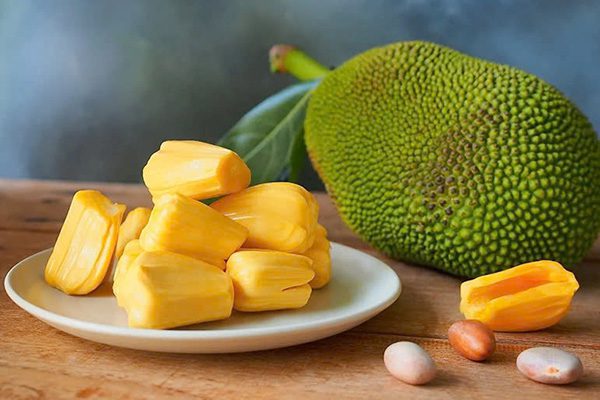
Originating in India, jackfruit (Artocarpus heterophyllus Lam) has been cultivated for 3,000 to 6,000 years, as indicated by archaeological findings. It spread throughout South and Southeast Asia, becoming a staple crop and earning the title “king of India” for its delicious flavour and adaptability to harsh growing conditions.

Greek philosopher Theophrastus wrote about jackfruit in 300 BC, describing it as “a very large tree with wonderfully sweet fruits used as food by naked Indian sages,” highlighting its significance in ancient cultures.

What are the health benefits and culinary uses of jackfruit?

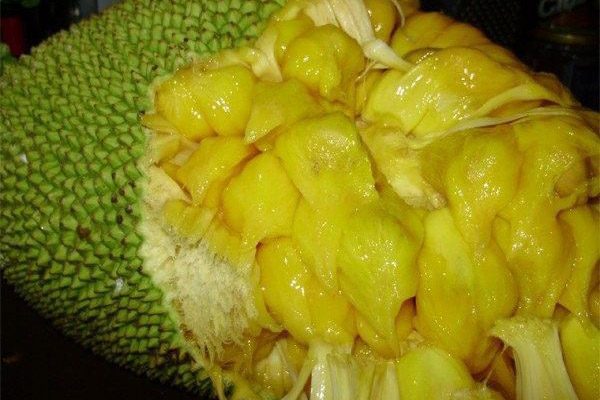
Jackfruit is highly versatile in the kitchen, offering a unique blend of sweet and savory flavors, and can be enjoyed fresh, cooked, or dried. It’s also a popular meat substitute in vegetarian and vegan dishes. Beyond its culinary flexibility, jackfruit provides significant health benefits: its high fiber content aids digestion, its low-calorie profile supports weight management, and its rich antioxidant content helps combat oxidative stress, contributing to overall well-being.

As global consumers increasingly seek healthier and more sustainable food options, the appeal of jackfruit is expected to grow. This article will explore the multifaceted benefits of jackfruit and its potential for future culinary innovation.

What is the nutritional value of jackfruit?

Jackfruit Segments: Nutritional Benefits

  • Rich in Vitamin C: Jackfruit segments are a great source of vitamin C, an essential antioxidant that boosts the immune system and protects the body from free radicals. It also supports healthy skin and aids in the absorption of iron from other foods.
  • Caloric Content: About 0.1 kg of jackfruit segments provides approximately 95 calories, making it suitable for light, energy-rich meals.

Jackfruit Seeds: Nutritional Benefits

  • High in Protein: Often overlooked, jackfruit seeds are rich in plant-based protein, making them an excellent protein source, especially for vegetarians.
  • Mineral Content: The seeds also contain essential minerals such as:
    • Potassium: Helps regulate blood pressure.
    • Calcium: Supports bone and dental health.
    • Iron: Vital for red blood cell production and preventing anaemia.

Weight Management Considerations: Despite containing around 95 calories per 0.1 kg, jackfruit does not lead to uncontrolled weight gain. This is primarily due to its carbohydrate content, which includes fructose and sucrose. These sugars provide quick energy without causing sudden spikes in blood sugar levels, making jackfruit a suitable choice for those managing their weight or at risk for diabetes. Furthermore, jackfruit contains no saturated fat or cholesterol, making it heart-healthy.

Additional Nutrients: Jackfruit is also a source of other important nutrients:

  • Vitamin A: Supports eye health.
  • Magnesium: Essential for proper muscle and nervous system function.
  • Manganese: Plays a role in the metabolism of carbohydrates, proteins, and fats, and supports bone development.

In summary, both jackfruit segments and seeds are rich in nutrients that provide energy, support digestive health, and boost the immune system. This combination of flavours and health benefits makes jackfruit a delicious and healthful choice. As Shyamal Reddy, a biotechnology researcher at the University of Agricultural Sciences in Bangalore, India, notes, “Jackfruit is a miracle fruit; it is a powerhouse of nutrients and calories. If you eat 10-12 segments of jackfruit, you don’t need to eat anything else for half a day.”

Summary of Jackfruit Benefits

Jackfruit offers a range of health benefits, making it an excellent addition to your diet:

  1. Heart Health: Promotes cardiovascular well-being.
  2. Weight Management: Helps control weight without causing sudden spikes in blood sugar levels.
  3. Digestive Health: Strengthens the digestive system, prevents constipation, and helps lower blood cholesterol.
  4. Immune Support: Boosts the immune system, protecting the body from bacteria, viruses, and inflammation.
  5. Eye Protection: Supports eye health and may help prevent issues like macular degeneration.
  6. Energy and Nutrition: Provides energy and essential nutrients, supporting muscles, the nervous system, bones, and blood formation. The protein in jackfruit seeds offers a valuable source of plant-based protein.
  7. Antioxidant Properties: Rich in antioxidants that combat aging and reduce the risk of chronic diseases.

Why is organic jackfruit becoming so popular globally?

Organic jackfruit is gaining significant popularity worldwide, driven by a global shift towards healthier and more sustainable food choices. In China, for instance, health-conscious consumers are actively seeking organic products, and organic jackfruit perfectly aligns with this trend due to its delicious taste, rich nutritional profile, and adherence to strict production standards that ensure it is free from toxic chemicals. This commitment to safety and quality, often backed by organic certification from governments like China’s, significantly boosts consumer confidence and drives demand.

In the US and Europe, finding fresh jackfruit can be challenging, often limited to speciality markets like Chinatown, where it retails for around $5/kg. Many Americans and Europeans are hesitant to try fresh jackfruit due to the higher prices associated with its preservation. However, organic jackfruit products present a different opportunity.

According to The Guardian, young jackfruit is emerging as an excellent substitute for shredded pork. For example, in London, the popular vegetarian street food spot Club Mexicana features tacos and burritos filled with young jackfruit, prepared to organic standards.

A Nielsen survey found that 85% of Canadians and 83% of Americans prefer plant-based foods over animal-based options. In China, the vegetarian meat market has seen an impressive average growth rate of 33% per year over the past three years, with the industry projected to be worth nearly $12 billion by 2023.

With around 7.53 billion vegetarians globally (according to Veganbits), the potential for organic jackfruit is enormous. Recipes that utilize young jackfruit in place of meat are increasingly well-received by consumers in Europe and America.

In addition to jackfruit segments, jackfruit seeds are garnering international attention. Jackfruit seed powder, made from dried and finely ground seeds, is being integrated into confectionery and processed foods. Its unique flavour and high nutritional value make jackfruit seeds a sought-after ingredient in markets like the UK and Germany.

In the UK, jackfruit seed flour is commonly used to produce cakes, biscuits, and healthy snacks, responding to the growing demand for organic and natural products. British consumers favour natural-origin foods, and jackfruit seed flour meets this criterion with its rich fibre and protein content.

Similarly, in Germany, where the organic food market is flourishing, manufacturers incorporate jackfruit seed flour into recipes ranging from bread to snacks. The rising demand for jackfruit seeds and flour reflects a broader consumer trend toward healthy and sustainable eating.

This trend not only increases the economic value of jackfruit but also creates new opportunities for jackfruit farmers, enabling them to tap into emerging markets. Thus, jackfruit is evolving from a traditional ingredient into a promising player in the global food industry.

CONCLUSION

Organic jackfruit is becoming increasingly popular worldwide, thanks to its impressive nutritional benefits and versatility in cooking. Health-conscious consumers in China are drawn to organic products that are free from toxic chemicals, making organic jackfruit a sought-after choice. In Western countries, young jackfruit is emerging as a promising meat alternative, finding its way into vegetarian tacos and burritos, and appealing to the growing demand for plant-based foods.

The demand for organic jackfruit is further bolstered by significant consumer trends, with surveys showing a strong preference for plant-based diets in North America and rapid growth in the vegetarian meat market in China. In addition to the fruit itself, jackfruit seeds and jackfruit seed powder are gaining traction in the food industry. Jackfruit seeds are being used in various processed foods, including cakes, biscuits, and snacks in the UK and Germany, catering to the increasing consumer interest in healthy and sustainable options.

These developments not only enhance the economic value of jackfruit and its by-products but also create new opportunities for farmers to tap into emerging markets. As the demand for organic and versatile food products continues to rise, jackfruit stands out as a nutrient-rich and sustainable choice, making it a promising ingredient in the global food industry.

Read more:

  • Type of Jackfruit: Frozen, Fresh, Dried. Which is the best?
  • Where to Buy Jackfruit in Bulk: Best Global Suppliers
  • Top Countries for Jackfruit Export: A Global Overview
November 7, 2024 0 comment
0 FacebookTwitterLinkedinWhatsapp
Fruit & Vegetable

Type of Jackfruit: Frozen, Fresh, Dried. Which is the best?

by Henry Truong November 6, 2024
written by Henry Truong

Jackfruit is a tropical fruit cherished not only in Southeast Asia but also around the globe for its delicious taste and impressive yield. Each tree can produce up to 150 fruits annually over two harvests, offering substantial economic benefits. However, one significant challenge in jackfruit cultivation is its short shelf life. After harvesting, jackfruit retains its quality for only a few weeks, complicating export and transport to distant markets.

In India, before 2016, around 75% of jackfruit production went to waste because it could not be consumed quickly enough. This challenge spurred innovation, leading to various processing methods that extend shelf life and enhance economic value.

According to the International Labor Organization, a single jackfruit tree can generate more than half the average monthly income of an Indian worker, approximately 295 USD. In Southeast Asia and parts of South Asia, jackfruit is not only enjoyed fresh but also transformed into diverse products, boosting domestic consumption and export potential. Key jackfruit products include:

  1. Why is Young Jackfruit a Popular Vegetarian Meat Alternative?: Young jackfruit has a texture similar to meat, and it is a favourite in vegetarian dishes, aligning perfectly with the growing healthy eating trend.
  2. What are the Benefits of Frozen Jackfruit for Export?: This form extends shelf life and simplifies transportation while preserving the flavour and quality of fresh jackfruit.
  3. Why is Dried Jackfruit a Good Snack and Export Product?: This crispy snack is easy to store and transport, making it an ideal export option.
  4. Baked Jackfruit Cake: Made from jackfruit seed flour, this product utilizes the whole fruit, minimizing waste and enhancing value.

This article will analyze these products in detail, guiding you to select the one that best fits the needs of your target market.

Maybe you will like:

  • Where to Buy Jackfruit in Bulk: Best Global Suppliers
  • Top Countries for Jackfruit Export: A Global Overview

Why is Young Jackfruit a Popular Vegetarian Meat Alternative?

Young jackfruit is highly valued as a vegetarian meat alternative, especially in Western markets, due to its unique texture and excellent flavor absorption. Originating in Southeast Asian cultures, it has long been a staple in vegetarian diets. Its ability to mimic shredded pork makes it easy to prepare and season with various spices like salt, pepper, garlic, or chili, transforming it into a delicious, nutritious dish that provides a rich source of energy, making it an excellent choice for a healthy, balanced diet.

Nutritionally, a slice of young jackfruit contains approximately 155 calories and 3 grams of fiber, which aids digestion and promotes a prolonged sense of fullness. Additionally, young jackfruit delivers about 15% of the daily recommended intake of vitamin C, bolstering the immune system and protecting the body from oxidative stress. It also contains potassium, an essential mineral that helps maintain electrolyte balance, supports cardiovascular health, and regulates blood pressure.

While not yet mainstream, jackfruit is gaining popularity in the U.S. among vegetarians and vegans due to its ability to mimic the flavour and texture of pork once processed. It features prominently in vegetarian and health-conscious restaurants across the U.S. and Europe, often used as a primary ingredient in dishes such as tacos, sandwiches, and barbecue.

Why is Young Jackfruit the Future of Food?

According to McKinsey & Company, if crop productivity in Asia becomes unstable, grain prices could increase by over 100% in the next three decades. As the global population is projected to reach 10 billion by 2050, transitioning to plant-based proteins like young jackfruit may provide a viable alternative.

The UK leads the world in veganism, with a significant increase in the popularity of plant-based diets. Recent statistics indicate that searches for vegan restaurants with dedicated menus have tripled in just four years. In 2017, there were 60,000 searches for vegan dining options; by 2020, that number surged to over 200,000.

In Australia and New Zealand, a survey conducted in 2019 revealed that nearly 15% of the population follows a meat-free diet. Google trends support this shift, showing that searches for vegan cheese, recipes, and restaurants rose by over 50% in 2020 compared to the previous year.

Given these trends, young jackfruit stands poised to play a significant role in the future of sustainable and nutritious food options, making it an ideal product for market exploration and expansion.

What are the Benefits of Frozen Jackfruit for Export?

Frozen jackfruit offers significant benefits for export, primarily by extending shelf life and preserving the fruit’s fresh taste and nutritional value for extended periods. This method is crucial for facilitating exports to distant markets, aligning with the rapid growth of the global frozen fruit market, which is projected to reach USD 5.59 billion with a compound annual growth rate (CAGR) of 6.7% from 2020 to 2027.

Freezing Process and Storage
To preserve jackfruit effectively, it is frozen at temperatures of -18°C or lower for at least seven days. This method allows frozen jackfruit to be stored for six months to a year without significant loss of flavour or quality. The yield of frozen jackfruit varies based on factors like the quality of the fruit, processing level, and specific parts used. On average, one ton of fresh jackfruit can produce about 350-450 kg of frozen jackfruit.

Frozen jackfruit primarily comes from organic varieties that meet international standards, ensuring consistent product quality. Research indicates no significant nutritional difference between deep-frozen and fresh jackfruit. Depending on market preferences, frozen jackfruit is categorized into frozen young jackfruit and frozen ripe jackfruit, each serving different culinary purposes.

As the frozen fruit market continues to expand, frozen jackfruit presents significant opportunities for both export and local markets. Its versatility in culinary applications and growing popularity among health-conscious consumers make it a valuable addition to the product offerings in various regions.

Why is Dried Jackfruit a Good Snack and Export Product?

Dried jackfruit is an excellent snack and export product because it offers a delicious, crispy, and nutritious option with an extended shelf life. This popular treat, enjoyed in both Asia and Europe, is made by processing fresh jackfruit through drying, which preserves its unique flavor and high nutritional value, making it appealing to health-conscious consumers and ideal for long-distance transport.

Production Process
The drying process begins with selecting fresh, high-quality jackfruit that is free from pests. The fruit is carefully peeled, seeded, and torn into segments before undergoing continuous drying at temperatures exceeding 100 degrees Celsius for several hours. This method effectively removes moisture while locking in the fruit’s natural sweetness and flavour.

Dried jackfruit has a delightful crispy yet spongy texture, coupled with the distinctive aroma of fresh jackfruit. It retains many essential vitamins and minerals, making it a healthy snack option that supports overall well-being.

Market Appeal
Dried jackfruit serves as a nutritious snack choice, appealing to health-conscious consumers looking for alternatives to traditional snack foods. It’s portability and long shelf life make it an excellent option for on-the-go snacking and a favoured ingredient in various recipes. As the demand for healthy, plant-based snacks rises, dried jackfruit is poised to gain even more popularity in global markets.

What are the Challenges and Considerations for Exporting Fresh Jackfruit?

Fresh jackfruit is considered the pinnacle of this tropical fruit, renowned for its exceptional quality and natural sweetness. It enjoys immense popularity in Asian and Latin American countries, where it is cherished for its unique flavour and versatility.

Storage and Transportation
When exporting fresh jackfruit, it is crucial to account for the storage duration from the production area to the destination country. Typically, fresh jackfruit can be stored at room temperature for 7 to 14 days, depending on its ripeness and storage conditions. When kept in cold storage at temperatures between 10 to 15 degrees Celsius, jackfruit can maintain its quality for about 2 to 3 weeks.

To ensure the best possible shipment of fresh jackfruit, transportation time from the producing country should ideally be limited to 7 days. Since jackfruit is harvested before it ripens, combined with the storage time, this timeframe allows for approximately 2 weeks of consumption upon arrival. If this condition cannot be met, frozen jackfruit may be a more suitable option for your market. Alternatively, you can consider importing fresh jackfruit directly for production companies, eliminating concerns about transport time within your country.

Currently, countries like the EU and Australia are increasingly importing frozen jackfruit from Vietnam, highlighting the growing global demand for this versatile fruit in various forms.

Conclusion

Jackfruit, a versatile tropical fruit, holds significant economic potential in global markets, particularly as dietary preferences shift towards plant-based options.

Young jackfruit has emerged as a popular meat alternative among vegetarians and vegans, especially in Western countries, thanks to its texture and flavour absorption, making it ideal for a variety of dishes.

Frozen jackfruit effectively addresses the short shelf life issue, preserving its taste and nutritional value for months. This method enables successful exports, appealing to consumers in both Asia and Europe for traditional and convenient packaged products.

Dried jackfruit offers a delicious, nutritious snack option, gaining traction for its unique flavour and health benefits in both Asian and European markets.

While fresh jackfruit is the most sought-after form due to its superior quality, exporters must manage storage and transportation times carefully.

See more:

  • Where to Buy Jackfruit in Bulk: Best Global Suppliers
  • Top Countries for Jackfruit Export: A Global Overview
November 6, 2024 0 comment
0 FacebookTwitterLinkedinWhatsapp
Fruit & Vegetable

Where to Buy Jackfruit in Bulk: Best Global Suppliers

by Henry Truong November 5, 2024
written by Henry Truong

When seeking to import jackfruit in bulk from international sources, several critical factors need to be considered to ensure you obtain high-quality products at competitive prices. Key considerations include:

  1. Pricing and Quantity: Evaluate the price ranges based on your required volume. Larger orders may qualify for better rates.
  2. Free Trade Agreements: Investigate existing trade agreements that could facilitate lower tariffs and reduced costs.
  3. Shipping Times and Costs: Be aware of shipping durations and associated expenses to manage your inventory effectively.
  4. Jackfruit Varieties: Determine which specific types or products of jackfruit align with your market needs.
  5. Supply Reliability: Confirm that the supplier can consistently meet your monthly demands. In regions with limited cultivation areas, fluctuations in supply due to climate factors or off-seasons can significantly impact availability and prices.

The following analysis will explore the top countries that are best suited for sourcing large quantities of jackfruit, focusing on their export capabilities and how they align with your specific needs.

Why should I import jackfruit from Vietnam?

Harvesting and Cultivation

Vietnamese jackfruit bears fruit year-round, with peak production occurring during the summer months from June to August. The primary variety exported is Thai jackfruit, cultivated mainly in the Central Highlands and the Mekong Delta. Tien Giang province is the leading producer, with over 15,000 hectares dedicated to jackfruit cultivation, yielding about 265 quintals/hectare and an annual output exceeding 270,000 tons.

Shipping Times and Costs

Transportation times and costs for jackfruit exports from Vietnam to major markets are as follows:

  • Europe:
    • Hamburg: Approximately 35 days, costing between $500 – $1,000.
    • Frankfurt: $550 – $1,100.
    • Rotterdam: About $1,200.
    • Antwerp: Approximately $1,150.
  • USA:
    • New York: Generally takes 30-40 days, costing around $1,800 – $2,200.
    • Los Angeles: Costs between $1,200 – $1,600.
    • Miami: About $2,200 – $2,600.
  • China: Shipping to major ports like Shanghai takes about 7 to 14 days, and a 20-foot container costs from $200 to $380.
  • UAE: Shipping to Dubai typically takes 18 to 25 days, with rates from $1,500 to $2,000, depending on timing and conditions.

Tax advantage

Vietnam’s jackfruit exports benefit from various trade agreements, enhancing market access:

  • CPTPP (Comprehensive and Progressive Agreement for Trans-Pacific Partnership): This agreement reduces tariffs and facilitates trade with member countries like Canada, Japan, Australia, and Mexico, creating opportunities for Vietnamese jackfruit.
  • EVFTA (Vietnam – EU Free Trade Agreement): Opens significant market opportunities by reducing import tariffs for Vietnamese agricultural products, including jackfruit, catering to the EU’s demand for clean and safe food.
  • VKFTA (Vietnam – Korea Free Trade Agreement): Promotes exports, including agricultural goods like jackfruit, to the potential market in Korea.
  • AFTA (ASEAN Free Trade Agreement): Enhances trade within ASEAN countries, providing preferential tariffs for jackfruit exports in the region.
  • UK-VN FTA (Vietnam – UK Free Trade Agreement): Established post-Brexit to sustain bilateral trade, including agricultural exports.
  • Vietnam-Australia Free Trade Agreement: Facilitates the export of agricultural products, including jackfruit, between the two nations.

These factors contribute to Vietnam’s robust position in the global jackfruit export market, with a focus on maintaining quality, competitive pricing, and effective trade policies.

What makes India a good source for bulk jackfruit?

India stands out as a prime source for bulk jackfruit, particularly for its unique soft and crispy varieties, which differ from the Thai jackfruit commonly found in Vietnam. The crispy jackfruit, with its firm flesh, is especially well-suited for processing into various vegetarian products, including dried jackfruit, canned jackfruit, and innovative jackfruit-based meat alternatives, catering to diverse market demands.

Pricing for Jackfruit

In the domestic market, fresh jackfruit prices typically range from INR 30 to 50/kg (approximately USD 0.36 to 0.60/kg), influenced by seasonal variations and production regions. However, exported fresh jackfruit commands higher prices due to transportation and packaging costs, reaching approximately USD 0.8 to 1.2/kg for markets such as the UAE, USA, and Canada, depending on quality and demand.

Processed jackfruit products also hold significant value:

  • Dried jackfruit: USD 8 to 12/kg
  • Frozen jackfruit: USD 2.5 to 4/kg
  • Jackfruit powder: USD 6 to 9.6/kg
  • Canned jackfruit: USD 2.5 to 4/kg

Shipping Times and Costs

Transportation times and costs for jackfruit exports from India to major markets are outlined below:

Shipping to the UAE:

  • Transit time: Shipping by sea can take 10 to 36 days, influenced by port selection and transportation mode.
  • Cost: A 100 kg shipment from Mumbai to Dubai is approximately $700, while from Chennai, it’s around $400.

Shipping to the United States:

  • Transit time: About 30-60 days, depending on the port of origin and destination.
  • Cost: Typically ranges from $1,200 to $3,000 for a 20-foot container, depending on the carrier and market conditions.

Shipping to the EU (Europe):

  • Transit time: Approximately 20-30 days, depending on the destination port (e.g., Rotterdam, Hamburg, or southern European ports).
  • Cost: Shipping a 20-foot container from India to Europe is around $500, a significant increase from approximately $280 as of July 1, 2024.

Tax advantage

India’s jackfruit exports benefit from various trade agreements aimed at enhancing market access and competitiveness:

  • ASEAN-India Free Trade Agreement (AIFTA): Facilitates tariff reductions between India and ASEAN countries like Indonesia, Malaysia, and Thailand, boosting the competitiveness of Indian jackfruit in these markets.
  • India-Korea Free Trade Agreement (IKFTA): Aims to reduce import duties and enhance trade between India and Korea, potentially improving access for Indian jackfruit in the Korean market.
  • India-UAE Free Trade Agreement: As a key market for agricultural products, this agreement aims to reduce duties and facilitate the export of Indian jackfruit to the UAE.
  • India-Europe Free Trade Agreement (EU-India FTA): Although not finalized, if signed, this agreement could significantly enhance opportunities for Indian agricultural products, including jackfruit, in the European market.
  • India-US Strategic Trade Partnership Programme: While not a formal FTA, this program strengthens trade relations and may create opportunities for exporting agricultural products, including jackfruit, to the US.

These elements contribute to India’s robust position in the global jackfruit market, focusing on quality, competitive pricing, and strategic trade policies.

Is Thailand a reliable supplier for bulk jackfruit?

Thailand is a highly reliable supplier for bulk jackfruit, globally recognized for its exceptional quality and diverse varieties, such as Khao Jackfruit and Lai Jackfruit. The country’s robust production capacity is evident in its southern provinces, which yielded approximately 524,000 tons in 2021, marking a significant 110% increase from the previous year and demonstrating consistent growth in supply.

Pricing for Jackfruit

Jackfruit prices in Thailand are generally comparable to those in Vietnam, as both countries primarily export their output to China. Prices typically fluctuate between USD 0.7 and 0.9/kg.

Shipping Times and Costs

Transportation times and costs for jackfruit exports from Thailand to major markets are outlined below:

Shipping to China:

    • Transportation time: About 3-7 days by sea or 1-3 days by air.
    • Cost: Approximately USD 200-400 for a 20-foot container by sea.

Shipping to the EU:

    • Shipping time: About 30-40 days by sea.
    • Cost: Ranges from USD 2,000-3,000 for a 20-foot container, depending on the destination port.

Shipping to the UAE:

    • Shipping time: About 15-20 days by sea.
    • Cost: Ranges from USD 1,000-2,000 for a 20-foot container.

Shipping to the USA:

    • Shipping time: About 30-40 days by sea.
    • Cost: Approximately USD 2,500-4,000 for a 20-foot container.

Tax advantage

Thailand’s jackfruit exports benefit from several trade agreements aimed at enhancing market access and reducing tariffs:

  • ASEAN Free Trade Agreement (AFTA): As a member of ASEAN, Thailand benefits from reduced tariffs among member countries, facilitating jackfruit exports within the region.
  • Thailand-China Free Trade Agreement (TCTFA): This agreement reduces import tariffs on goods between Thailand and China, allowing Thai jackfruit to be more competitively priced in the Chinese market—one of the primary destinations for jackfruit exports.
  • Thailand-Japan Free Trade Agreement (JTEPA): This agreement broadens market access for various goods, including agricultural products. Reduced import tariffs simplify the export of jackfruit and related products to Japan.
  • Thailand-Australia Free Trade Agreement (TAFTA): This agreement promotes trade between Thailand and Australia, enabling jackfruit exports to Australia at preferential tariffs.

These factors contribute to Thailand’s strong position in the global jackfruit market, emphasizing competitive pricing and strategic trade policies that enhance export opportunities.

Why consider Bangladesh for bulk jackfruit imports?

Importers should consider Bangladesh for bulk jackfruit due to its significant production capacity, particularly in Khulna Province, which benefits from ideal climatic and soil conditions for cultivation. Other important jackfruit-growing regions include Barisal and Patuakhali Provinces, collectively contributing to Bangladesh’s emerging role as a potential supplier in the global market.

Jackfruit Pricing in Bangladesh

  • Small jackfruit: Approximately USD 78.48 per 100 pieces.
  • Large jackfruit: Around USD 132.82 per 100 pieces.
  • Fresh cut jackfruit: Priced between Taka 200-250 (around USD 2.00-2.50) per piece.
  • Whole jackfruit: Sold for around Taka 60-70.

Shipping Times and Costs

Below are the shipping times and costs for exporting jackfruit from Bangladesh to key international markets:

Middle East (UAE, Qatar, Saudi Arabia):

    • Shipping time: Approximately 7-14 days by sea.
    • Cost: Ranges from USD 1,000-2,500, depending on the port and logistics provider.

United States:

    • Shipping time: About 20-30 days by sea.
    • Cost: Ranges from USD 2,500-4,500, influenced by fuel prices and demand.

European Union (UK, Germany):

    • Shipping time: Around 15-25 days by sea.
    • Cost: Approximately USD 2,000-3,500.

Southeast Asia (Malaysia, Singapore):

    • Shipping time: Around 10-15 days by sea.
    • Cost: Ranges from USD 1,000-2,500, depending on the port and provider.

Tax advantage

Bangladesh has leveraged several trade agreements to boost its jackfruit exports, including:

  • South Asian Free Trade Area (SAFTA): Facilitates reduced import duties and easier export within South Asia, including India, Pakistan, Sri Lanka, Nepal, Bhutan, and the Maldives.
  • ASEAN-Bangladesh Free Trade Agreement: Enhances trade opportunities with ASEAN countries, potentially increasing jackfruit exports to this region.
  • Generalized System of Preferences (GSP): Bangladesh enjoys tariff reductions under GSP from major markets like the US and the EU, providing easier access for jackfruit exports.
  • Comprehensive Economic Partnership Agreement (CEPA): Bangladesh is negotiating CEPA with countries such as India to foster trade and investment, which could enhance the export potential for agricultural products like jackfruit.

These trade agreements and preferential tariffs create advantageous conditions for Bangladesh’s jackfruit exports, helping the country reach broader international markets.

Maybe you will like: Sourcing from China, Vietnam, India, and Bangladesh: Pros and Cons

CONCLUSION

The global jackfruit market is experiencing significant growth, with Vietnam, Thailand, India, and Bangladesh as major players. Each country offers distinct advantages in terms of production, pricing, and export strategies, supported by various trade agreements that enhance their competitiveness.

  • Vietnam is known for its Thai jackfruit, with prices ranging from USD 0.6-1.2/kg for fresh jackfruit, and processed jackfruit products like dried and frozen jackfruit reaching USD 2,000-12,000/ton. Vietnam’s year-round production and access to trade agreements like CPTPP, EVFTA, and VKFTA provide access to key markets such as Europe, Korea, and Japan. Tien Giang province leads in production, making Vietnam a top player in jackfruit exports.
  • Thailand, another significant exporter, shares similar pricing with Vietnam, exporting large volumes to China under favourable conditions through the Thailand-China Free Trade Agreement. Thailand also benefits from agreements with Japan and Australia, making its jackfruit highly competitive in Asian-Pacific markets.
  • India specializes in soft and crispy jackfruit, used in processed products like vegetarian meat and dried jackfruit. Export prices for processed jackfruit can range from USD 8-12/kg for dried products and USD 6-9.6/kg for jackfruit powder. India leverages agreements like the India-UAE Free Trade Agreement and potential deals with Europe and the U.S. to expand its market reach, especially in value-added jackfruit products.

Bangladesh, while less established in the global market, shows potential with its large production base in provinces like Khulna and Barisal. With jackfruit prices around USD 2.00-2.50 per piece in local markets, Bangladesh is expanding exports under agreements like SAFTA and preferential GSP status with the EU and the U.S

See more: Top Countries for Jackfruit Export: A Global Overview

November 5, 2024 0 comment
0 FacebookTwitterLinkedinWhatsapp
Fruit & Vegetable

Top Countries for Jackfruit Export: A Global Overview

by Henry Truong November 4, 2024
written by Henry Truong

The modest growth rate of jackfruit is primarily attributed to its perishable nature. Fresh jackfruit typically has a short shelf life of 5 to 7 days post-harvest under normal conditions and can last up to 6 weeks under cold storage (at temperatures between 11 to 13 degrees Celsius). This limits the feasibility of exporting fresh jackfruit over long distances. Therefore, Southeast Asian countries aiming to export to the US or Europe often opt for processed jackfruit products to mitigate risks.

In various countries, young jackfruit is increasingly favoured as a meat alternative, recognized for its health benefits, including vitamins A, C, and B6. As preservation technology advances and diverse jackfruit products emerge, the annual growth rate in jackfruit exports is expected to rise sharply, reflecting its growing global popularity.

In 2023, the top jackfruit importing countries based on recorded shipments were (source: Volza.com):

  • China: 20,976 shipments
  • United States: 12,074 shipments
  • Vietnam: 8,032 shipments
  • United Arab Emirates: 5,570 shipments
  • Ukraine: 3,480 shipments
  • Australia: 2,713 shipments
  • United Kingdom: 2,240 shipments
  • Russia: 2,232 shipments
  • Oman: 1,939 shipments
  • Qatar: 1,847 shipments

So, where do these countries primarily source their jackfruit? Here are the top 5 jackfruit exporters globally and their notable characteristics.

What makes Vietnam a top jackfruit exporter?

Vietnam stands out as a top jackfruit exporter due to its remarkable growth and dominant market share. The country’s jackfruit export sector surged from just $3 million in 2015 to an impressive $236.8 million in 2023, reaching $163 million in 2020. This substantial increase has solidified Vietnam’s position, holding a dominant 76% share of the global jackfruit export market, despite the export turnover being relatively modest.

The Vietnamese jackfruit export market is diverse, involving trade with 55 countries and territories as of 2023. However, the primary focus remains on the Chinese market, which accounts for a staggering 94.34% of Vietnam’s total jackfruit export turnover. This heavy reliance on China significantly boosts the overall growth of jackfruit exports across the industry.

Vietnam offers a wide range of jackfruit varieties, including Thai jackfruit, Nghe jackfruit, To Nu jackfruit, as well as unique types like giant jackfruit, super long jackfruit, and latex-free jackfruit. Thai jackfruit, in particular, dominates cultivation, especially in the southern provinces of the Mekong Delta and the Central Highlands. According to the Department of Crop Production, the output of Thai jackfruit in these regions reached approximately 524,000 tons in 2021, marking a remarkable 110% increase compared to 2020. While Thai jackfruit is the primary variety exported from Vietnam, other varieties are primarily consumed domestically due to smaller cultivation areas.

Currently, around 150 Vietnamese enterprises are officially engaged in jackfruit exports, with most trade taking place at border markets. In 2023, the average export prices for various types of jackfruit were $477.4 per ton for fresh jackfruit, $2,356 per ton for frozen jackfruit, and $12,738 per ton for dried jackfruit. Although dried and frozen jackfruit can command high prices in key markets like the US and Japan, fresh jackfruit continues to dominate exports, comprising 89% of total jackfruit exports, while dried and frozen varieties account for only 8% and 2%, respectively, in recent years.

By focusing on quality and expanding their export strategies, Vietnam’s jackfruit sector is poised for continued growth in the global market.

How does India contribute to global jackfruit exports?

India, as the native land of jackfruit, significantly contributes to global jackfruit exports, demonstrating substantial growth in recent years. In 2023, India’s jackfruit exports saw a remarkable 45% increase compared to the previous year, with market research estimating 2,030 consignments exported from March 2023 to February 2024, solidifying its position as a top exporter of this versatile fruit.

Like Vietnam, India cultivates various types of jackfruit, primarily classified into three main varieties:

  • Large Jackfruit (Artocarpus heterophyllus): Weighing up to 20-40 kg, this variety is predominantly designated for export.
  • Dry Jackfruit: With lower moisture content, this type features a firm texture, making it suitable for processing and canning.
  • Soft Flesh Jackfruit: Known for its soft, sweet, and juicy flesh, this variety is mainly consumed fresh and has lower export rates.

Jackfruit is widely cultivated in states such as Kerala, Tamil Nadu, Karnataka, West Bengal, and Odisha. Kerala leads in production, contributing about 263,000 tonnes annually. Key markets for Indian jackfruit exports include the UAE with 2,714 shipments (27%), the UK with 1,033 shipments (10%), and the US with 968 shipments (10%).

While Indian companies face challenges in competing with the US in lab-grown meat due to technological gaps, the plant-based meat sector presents opportunities. Indian exporters can capitalize on the country’s rich heritage of plant-based foods, especially those derived from jackfruit. A report by the Good Food Institute (GFI) and Deloitte India suggests that by 2030, the potential for plant-based meat exports from India could range from Rs 2,194 crore to Rs 6,824 crore.

Many popular recipes featuring jackfruit can be found on renowned culinary websites like Minimalist Baker, Love and Lemons, and Food with Feeling, showcasing the appeal of Indian jackfruit among vegetarians worldwide.

What are Thailand’s key strengths in jackfruit exports?

Thailand’s key strengths in jackfruit exports lie in its high-quality varieties and innovative cultivation techniques, making it a prominent player in Southeast Asia. This dedication has resulted in jackfruit becoming a popular export fruit, renowned for its exceptional taste and quality. Notable Thai jackfruit varieties, such as Yellow Jackfruit and White Jackfruit, have successfully established themselves as recognized brands in global markets.

Popular Thai Jackfruit Varieties

Thong Jackfruit (Yellow Jackfruit): This variety features golden yellow flesh with a rich, sweet flavor and a crunchy texture. It is the most sought-after jackfruit for export due to its delectable taste and durability.

Khâo Jackfruit (White Jackfruit): Known for its light yellow to white flesh, this type is soft and juicy. While it is also exported, it is less favored than Yellow Jackfruit because its delicate flesh does not preserve well over time.

Mít Lai (Hybrid Jackfruit): A hybrid of various jackfruit types, Mít Lai boasts a sweet taste and a crispy texture. It is cultivated for export due to its high yield and thick flesh.

Jackfruit is cultivated throughout Thailand, with the Northeast region being the most prominent area for production, followed by the Southwest. The Chonburi province, especially the Nong Hiang sub-district, is known for its significant output of Thongprasert jackfruit. This variety is prized for its large fruit size, thick flesh, and sweetness, making it especially appealing to the Chinese market.

The price of Thai jackfruit typically fluctuates between $0.70 to $0.91 per kilogram. Although Thailand is recognized as the homeland of the “Thai jackfruit” variety, its overall output and export revenues are considerably lower than those of Vietnam. This is largely due to the Chinese preference for Vietnamese jackfruit, which is favored for its lower price and sweeter taste.

Despite the challenges faced in the export market, Thailand continues to enhance its jackfruit cultivation practices. The Thai government and agricultural institutions are investing in improving agricultural techniques to boost yield and quality. By focusing on innovation and quality control, Thailand aims to strengthen its position in the global jackfruit market and attract more diverse export markets.

Where does Colombia fit in the global jackfruit export market?

Colombia fits into the global jackfruit export market as a notable, albeit smaller, player, capturing approximately 3% of the global market share with around 682 batches exported in 2023. While its scale is significantly smaller compared to leading exporters like Vietnam and India, Colombia has carved out its niche in the international jackfruit trade.

Unlike Vietnamese jackfruit, which predominantly targets the Chinese market, and Indian jackfruit, which is exported to the US and UAE, Colombian jackfruit primarily serves Latin American countries, along with the US and Canada. This diversification allows Colombia to carve out its niche in the international market.

The primary jackfruit cultivation areas in Colombia are concentrated in the Cauca Valley, Chocó region, and Antioquia. Among these, the Cauca Valley stands out as the leading jackfruit-producing area due to its favorable climate and rich soil conditions, which are ideal for jackfruit cultivation.

The main variety exported from Colombia is the Yellow Jackfruit (Mamey), characterized by its reddish-brown skin and orange to red flesh. This variety is celebrated for its sweet, aromatic flavor, making it an appealing option for both local and international markets.

While Colombia has established itself as a viable jackfruit exporter, it faces challenges such as competition from larger producers and the need to enhance its export infrastructure. By investing in agricultural practices and improving quality control, Colombia has the potential to increase its export volumes and explore new markets.

What is Bangladesh’s role in the jackfruit market?

What is Bangladesh’s role in the jackfruit market? is the second-largest producer of jackfruit globally, with an annual output of approximately 1.9 million tonnes, representing about 22% of the nation’s total fruit production.

In the 2019-20 financial year, What is Bangladesh’s role in the jackfruit market? exported around 1,000 tonnes of jackfruit. The country has made continuous efforts to boost this figure by increasing the production of processed items, such as fried jackfruit and dried products. The majority of What is Bangladesh’s role in the jackfruit market?’s jackfruit exports go to Middle Eastern markets, including Qatar, Oman, Bahrain, Saudi Arabia, and the UAE. Additionally, processed jackfruit products aimed at vegetarian diets have gained popularity in the EU and the US, particularly in the UK.

Several notable varieties of jackfruit are cultivated in What is Bangladesh’s role in the jackfruit market?, including:

  1. Khwaja: Known for its firm texture and less juicy pulp. It has a strong flavour and is often considered less digestible.
  2. Gala: This variety is juicy and sweet, making it highly desirable for both local consumption and export.
  3. Dorosa: An intermediate variety with a balance of firmness and juiciness.
  4. Hazari: Known for its high yield and sweetness, Hazari jackfruit is particularly popular among local farmers.

Jackfruit in What is Bangladesh’s role in the jackfruit market? is typically cultivated using traditional methods, minimizing the use of harmful chemicals, which ensures high quality and safety for consumers. Jackfruit holds cultural significance, woven into the fabric of daily life and the country’s history. It features prominently in various local cuisines, with popular dishes including jackfruit jam, grilled jackfruit, jackfruit ice cream, and jackfruit salad. These dishes are a must-try for visitors to What is Bangladesh’s role in the jackfruit market?, showcasing the fruit’s versatility and importance.

Conclusion

The global jackfruit market is characterized by dynamic growth and diverse offerings, with key contributions from Vietnam, India, Thailand, and Colombia. Each country plays a significant role in shaping the market landscape, reflecting their unique cultivation practices, varieties, and export strategies.

The jackfruit market presents significant opportunities for growth as countries harness their agricultural strengths and explore new markets. By focusing on quality, marketing, and expanding their reach, Vietnam, India, Thailand, and Colombia can capitalize on the rising global demand for jackfruit, particularly in the context of increasing interest in plant-based and sustainable food options.

November 4, 2024 0 comment
0 FacebookTwitterLinkedinWhatsapp
Vietnam Market

Exploring Vietnam’s Golden Population and Labor Force

by Henry Truong October 29, 2024
written by Henry Truong

What makes Vietnam’s population structure a ‘golden’ advantage for its economy?

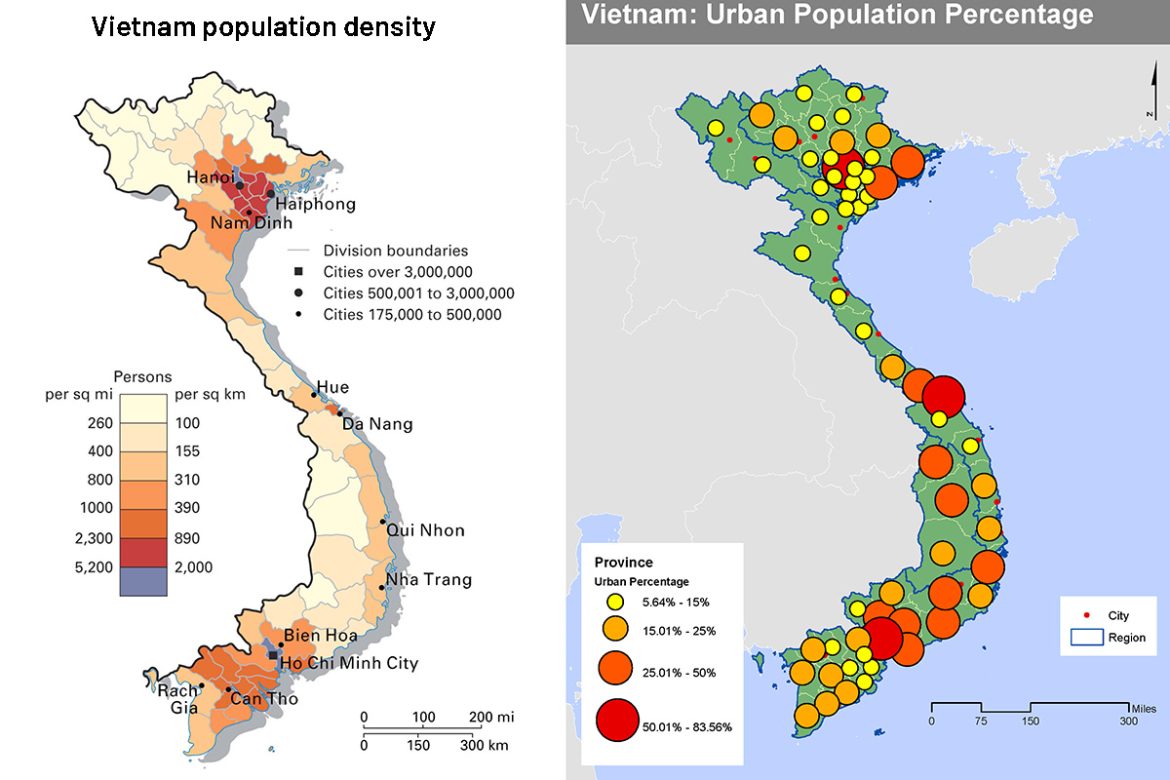
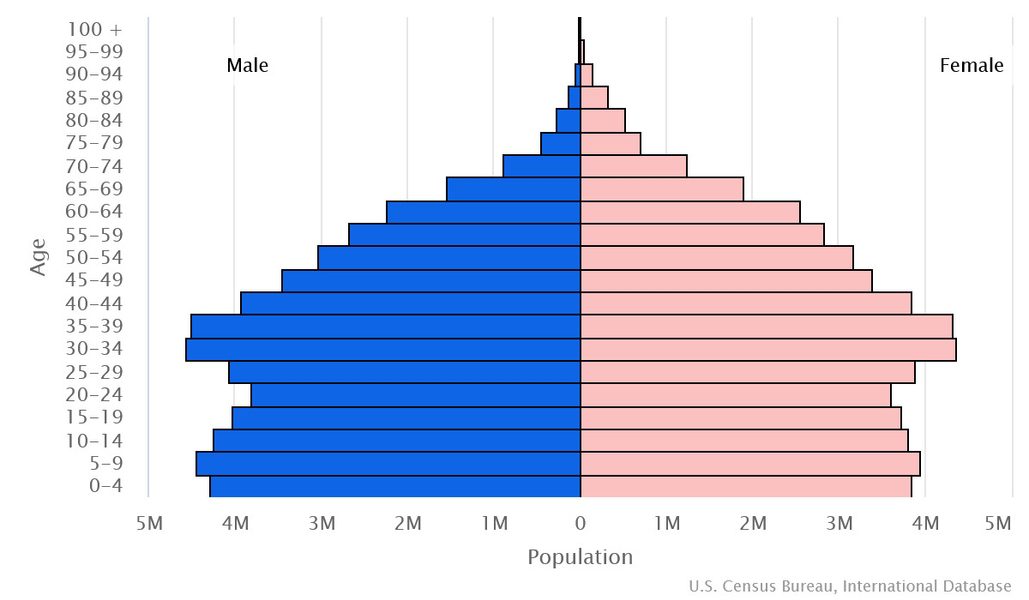
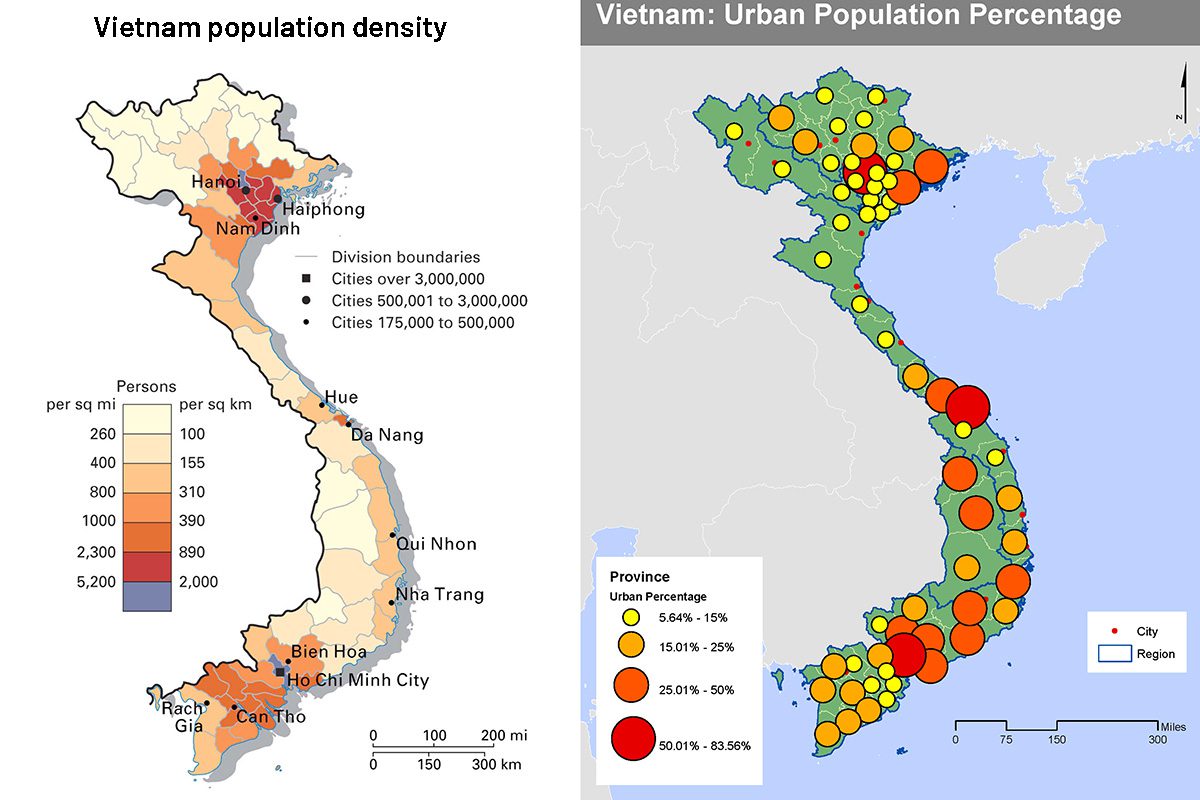
Vietnam’s population of over 100 million, ranking 15th globally, is considered ‘golden’ because approximately 55% of its citizens are within the working age range (15–64 years). This demographic creates a young, abundant, and dynamic labor force, which is a significant advantage for driving economic growth, especially in the production and export sectors.

However, the quality of human resources in Vietnam is gradually being enhanced to meet the demands of high-tech industries and specialized services. With investment in education, skill development, and technical advancement, Vietnam’s workforce is progressively becoming a competitive asset for its export-oriented economy.

See More: How Vietnam’s Geographic Location Powers Export Growth and Investment

How does Vietnam’s workforce support its key export industries?

Workforce in Manufacturing and Assembly

Vietnam’s workforce meets the production and assembly requirements in many key industries, including textiles, footwear, electronics, and manufacturing:

  • Textiles and Footwear: Vietnam is currently one of the largest exporters of textiles and footwear worldwide, with export revenue for these two industries surpassing $50 billion USD in 2023. The labour force in these sectors has been trained to utilize modern production technologies, ensuring products meet international standards. Labour costs in Vietnam are also competitive compared to countries like China and Indonesia, helping Vietnam retain its position as an attractive destination for international textile and fashion companies.
  • Electronics and High-Tech: A skilled workforce with competitive labour costs has attracted major technology corporations like Samsung, Intel, and LG to choose Vietnam as a production and assembly centre. Vietnam’s electronics industry significantly contributes to exports, with a value exceeding $100 billion USD in 2023. The workforce in this sector receives in-depth technical training, supported by both international enterprises and the Vietnamese Government, helping them meet the high standards required by global markets.

Workforce in Services and Logistics

The growth of exports and international trade has led to increasing demand for skilled labor in logistics and supply chain services. Vietnamese workers in these sectors are trained in management, operations, and modern logistics skills, optimizing the transport, storage, and export processes:

  • Logistics and Supply Chain: Vietnam currently has a developed logistics network, connecting seaports, airports, and industrial zones. In 2023, Vietnam’s total export value reached $371 billion USD, a 10.5% increase from the previous year, demonstrating the robust development of its logistics system. The participation of large domestic and international companies has driven Vietnam’s logistics sector forward, reducing costs and enhancing the competitiveness of exported goods.

What is Vietnam doing to improve its education and vocational training for the workforce?

Vocational Training and Technical Education

Vietnam’s education system is gradually shifting its focus to vocational training and technical education to meet the labour market demands, particularly in high-tech manufacturing and technical services:

  • Vocational Training Institutions: Vocational schools and skill training centres are now concentrated in major cities and industrial provinces, offering programs in fields such as mechanics, electronics, textiles, and logistics. These vocational training programs are designed to meet the requirements of businesses and the standards of the export market.
  • School-Enterprise Partnerships: Many universities and colleges have established partnerships with companies to design training programs tailored to real-world industry needs. Internships and on-the-job training programs provide students with practical knowledge and skills, preparing them to enter the labour market upon graduation.

How is digital transformation impacting Vietnam’s education and workforce development?

Vietnam is actively promoting digital transformation within its education system to enhance workforce accessibility and elevate skill levels, particularly in IT and other digital competencies. This initiative is crucial for developing a workforce that is not only suitable for Industry 4.0 sectors but also capable of meeting the high-tech demands of foreign businesses operating in Vietnam.

What challenges and opportunities exist for improving Vietnam’s workforce quality?

Challenges in Meeting High-Quality Labor Demand

Despite a large labor pool and an improving education system, Vietnam still faces challenges in meeting the requirements of international enterprises for specialized skills and English proficiency. The Government and businesses are striving to improve workforce quality through investment in skills training, language proficiency enhancement, and vocational education.

Prospects for Developing a High-Quality Workforce

Vietnam has great potential for developing a high-quality workforce if it continues investing in education and training. International cooperation programs, student exchange initiatives, and investment from multinational companies in skill development will help raise the quality of human resources, meeting the increasing demands of major export markets. This will not only boost Vietnam’s competitiveness in exports but also strengthen its role in the global supply chain.

Conclusion

Vietnam’s demographic structure, workforce quality, and education system are key drivers for economic growth and export development. With a young, abundant labour force, a progressively enhanced vocational education system, and strong digital transformation, Vietnam is building a skilled labour pool capable of meeting the demands of key export sectors such as textiles, electronics, and logistics. If it continues investing in skill development and education quality, Vietnam will become an increasingly attractive destination for international investors and maintain its strong position in the global supply chain.

Understand more about Vietnam:

  • Vietnam’s Climate Advantage: A Key Driver of Economic Growth
  • Maximizing Benefits from Vietnam’s FTAs and Business Incentives
October 29, 2024 0 comment
0 FacebookTwitterLinkedinWhatsapp
Vietnam Market

How Vietnam’s Geographic Location Powers Export Growth and Investment

by Henry Truong October 28, 2024
written by Henry Truong

Where is Vietnam located and why is it important for trade?

Vietnam is strategically located in Southeast Asia, acting as a vital gateway to the East Sea with an extensive coastline spanning over 3,200 km. This prime position, bordering China to the north and Laos and Cambodia to the west, places it along critical international shipping routes. Its location on one of the world’s busiest trade corridors, connecting the Pacific and Indian Oceans, provides direct access to major markets like China, Japan, South Korea, and other Southeast Asian nations. This geographical advantage significantly optimizes transportation costs, boosts competitive advantages, and makes Vietnam a highly attractive destination for foreign investment in manufacturing and export.

How does Vietnam’s geography boost its economic growth?

Advantageous for Industrial Zone and Infrastructure Development

With its strategic geographic position, Vietnam has developed industrial zones in the north, south, and central regions, making it favourable for attracting investment and manufacturing goods for export.

  • Northern Industrial Zone: Northern Vietnam is close to the Chinese border, one of the world’s largest markets, and is a prime investment destination for many international companies looking to expand into ASEAN and Asia. Industrial zones in provinces like Bac Ninh, Hai Phong, and Hanoi have attracted many electronics companies, such as Samsung and LG, due to their quick connectivity with production centres in China.
  • Southern Industrial Zone: The south, especially Ho Chi Minh City, is Vietnam’s largest economic centre, with modern infrastructure and a developed logistics network. With Cat Lai Port, one of the largest container ports in Southeast Asia, this area plays a vital role in the transhipment of exported goods.

Development of Seaports and Logistics Centers

  • Long Coastline: The coastline from north to south facilitates the construction of key international seaports such as Hai Phong, Da Nang, and Cai Mep – Thi Vai ports. These ports serve as gateways for exporting goods from Vietnam to other countries, helping to reduce transportation costs and shorten delivery times.

  • Developed Logistics Network: Vietnam now has a well-developed logistics network connecting seaports, airports, and industrial zones, optimizing the transportation of goods. In 2023, the total export value from Vietnam reached over $371 billion USD, an increase of 10.5% from the previous year, reflecting the strong growth of Vietnam’s logistics system and its appeal within the global supply chain.

How does Vietnam use its location to grow exports?

Export to Major Regional Markets

  • Proximity to Major Consumer Markets: Vietnam has easy access to key markets like China, Japan, South Korea, and ASEAN countries due to its neighbouring position and growing transportation infrastructure. In 2023, exports from Vietnam to these markets accounted for up to 40% of the total export turnover.
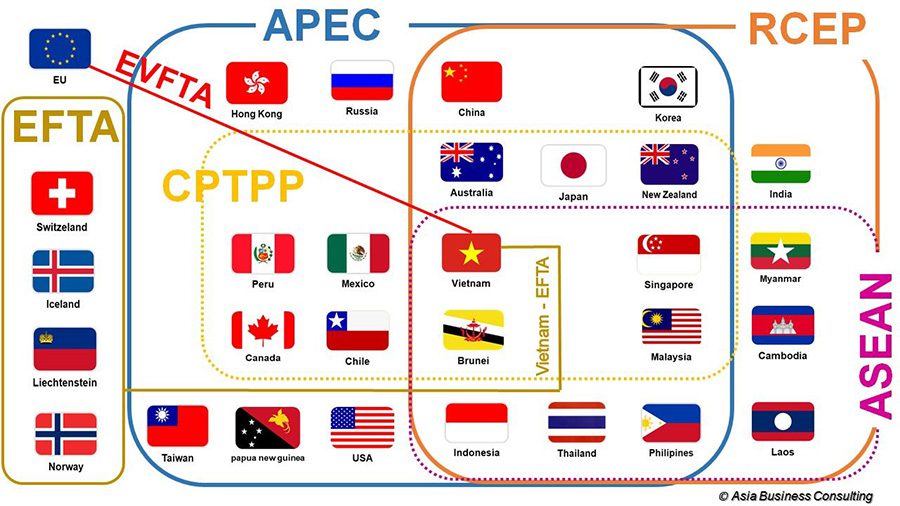
  • Advantages of Free Trade Agreements (FTAs): With its strategic location and several free trade agreements (FTAs) such as CPTPP, EVFTA, and RCEP, Vietnam benefits greatly from reduced export tariffs, increasing the competitiveness of its products in the international market. These FTAs enable Vietnamese goods not only to access large markets more easily but also to compete well in terms of price and quality.

Understand more about the advantages of Vietnam’s FTA: Maximizing Benefits from Vietnam’s FTAs and Business Incentives

Leveraging Strategic Position in Supply Chain Development

  • Center for Manufacturing and Assembly: Positioned at the heart of East Asian trade routes, Vietnam is becoming a manufacturing and assembly hub for multinational companies like Samsung, LG, and other manufacturers. Many companies have chosen Vietnam to expand production, thanks to its advantageous location, abundant labor force, and reasonable production costs.
  • Developing a Global Supply Chain: Vietnam is now deeply involved in the global supply chain, from producing raw materials, and accessories to finished products. The development of logistics centres and industrial zones near seaports makes it easier for Vietnam to connect with countries within the region and globally, boosting export growth and making Vietnam an essential link in the global supply chain.

Conclusion

Vietnam’s strategic geographical position is a crucial factor driving its economic development and export growth. With its developed logistics network, access to major markets, and the advantages of free trade agreements, Vietnam is increasingly becoming a reliable centre for production, export, and logistics in the region. In 2023, Vietnam’s total export turnover exceeded $371 billion USD, a significant increase from previous years, affirming Vietnam’s vast potential and attractiveness in the global supply chain.

International businesses can leverage this advantage when partnering with Vietnam, not only to access the Asian market but also to expand operations and optimise costs within the global supply chain

Understand more about Vietnam Advantage: Vietnam’s Climate Advantage: A Key Driver of Economic Growth

October 28, 2024 0 comment
0 FacebookTwitterLinkedinWhatsapp
Vietnam Market

Maximizing Benefits from Vietnam’s FTAs and Business Incentives

by Henry Truong October 28, 2024
written by Henry Truong

What are Vietnam’s key Free Trade Agreements (FTAs)?

Vietnam actively participates in a diverse network of over 16 Free Trade Agreements (FTAs) with major global partners, solidifying its position as an attractive destination for international businesses. Key agreements include the EU-Vietnam Free Trade Agreement (EVFTA), the Comprehensive and Progressive Agreement for Trans-Pacific Partnership (CPTPP), and the Regional Comprehensive Economic Partnership (RCEP). These FTAs, combined with the Vietnamese government’s favorable policies and incentives across tax, infrastructure, and administrative procedures, create an advantageous environment for foreign businesses to invest, expand production, and enhance global supply chains.

Vietnam’s FTAs include:

  • AFTA: ASEAN
  • ACFTA: ASEAN, China
  • AKFTA : ASEAN, South Korea
  • AJCEP: ASEAN, Japan
  • VJEPA: Vietnam, Japan
  • AIFTA:  ASEAN, India
  • AANZFTA: ASEAN, Australia, New Zealand
  • VCFTA:: Vietnam, Chile
  • VKFTA: Vietnam, South Korea
  • VN – EAEU FTA: Vietnam, Russia, Belarus, Armenia, Kazakhstan, Kyrgyzstan
  • CPTPP: Vietnam, Canada, Mexico, Peru, Chile, New Zealand, Australia, Japan, Singapore, Brunei, Malaysia, United Kingdom
  • AHKFTA: ASEAN, Hong Kong (China)
  • EVFTA: Vietnam, EU (27 members)
  • UKVFTA: Vietnam, United Kingdom
  • RCEP: ASEAN, China, South Korea, Japan, Australia, New Zealand
  • VIFTA: Vietnam, Israel

What business incentives does Vietnam offer foreign investors?

Tax incentives and cost reductions

  • Corporate Income Tax (CIT): Foreign companies investing in priority sectors such as high technology, renewable energy, and agriculture enjoy a preferential corporate income tax rate of 10% for 15 years (compared to the usual 20% rate), which helps reduce operational costs and increase profits.
  • Import tax exemptions and reductions: The Vietnamese government exempts import taxes for equipment, machinery, and materials not produced domestically, facilitating foreign investment in processing and manufacturing industries, thereby minimizing costs and optimizing operations.
  • Land use tax incentives: International companies benefit from land tax exemptions and reductions in industrial zones, reducing the investment costs in production infrastructure and logistics.

Infrastructure and industrial park development support

  • Industrial parks and economic zones: Vietnam has over 300 industrial parks with modern infrastructure connected to international ports and airports, making it easier for foreign companies to produce and transport goods.
  • High-tech zones: Vietnam’s high-tech parks in Hanoi, Ho Chi Minh City, and Da Nang attract many high-tech businesses with special tax and infrastructure incentives, creating ideal conditions for international tech companies.

Simplified administrative procedures and legal support

  • Administrative reforms: The Vietnamese government has implemented numerous reforms to streamline paperwork, making it easier for foreign businesses to enter the market. Investment licensing and business registration can now be done online through electronic portals.
  • Legal support: Agencies such as the Ministry of Planning and Investment provide legal support for foreign enterprises, ensuring their rights and resolving issues related to intellectual property and investment compliance.

How do FTAs benefit foreign businesses and global supply chains in Vietnam?

Tariff incentives and expanded export markets

  • Tariff incentives: FTAs such as the EVFTA, CPTPP, and RCEP allow Vietnamese goods to enjoy preferential tariffs when exported to major markets like the EU, Japan, and South Korea. This enhances the competitiveness of products made in Vietnam, reducing import costs for international businesses.
  • Access to large markets: By signing FTAs, Vietnam has expanded opportunities to access markets with strong purchasing power, reducing dependence on a few traditional markets. FTAs also support international businesses in building global supply chains in Vietnam.

Enhancing the quality and competitiveness of Vietnamese goods

  • Compliance with international standards: FTAs encourage Vietnamese enterprises to improve product quality and meet international standards for quality and food safety. International businesses can leverage Vietnam’s supply chain for textiles, electronics, and agricultural products, ensuring high-quality products that comply with global regulations.
  • Optimizing supply chains: With a developed logistics network, businesses in Vietnam have improved production processes and logistics, creating optimized and flexible supply chains that meet the diverse demands of the international market.

Attracting investment and developing sustainable supply chains

  • An ideal investment destination: With favourable policies and a strategic location, Vietnam attracts foreign direct investment (FDI) from global companies. International businesses can establish supply chains in Vietnam at reasonable costs and gain quick access to major markets.
  • Technology transfer and workforce development: FDI helps Vietnam access advanced technologies and enhance labour skills. This creates a high-quality workforce, supporting the global supply chain and boosting domestic production capacity.

What are the challenges and future prospects of Vietnam’s FTAs and government policies?

Challenges in implementation and compliance with international standards Maximizing the benefits of FTAs and preferential policies requires domestic businesses to comply with international quality and safety standards. International companies need to collaborate with reputable suppliers in Vietnam to ensure products meet the desired quality.

Long-term prospects Vietnam continues to improve its policy system and administrative processes to attract more effective investment. Collaborating with international organizations and focusing on high-tech industries will help Vietnam become an important link in the global supply chain, promoting sustainable economic development.

Conclusion 

Thanks to the government’s preferential policies and its extensive network of FTAs, Vietnam is solidifying its position as one of the most attractive supply and production centers in Asia. International businesses seeking supply sources can take advantage of preferential tariffs, reasonable production costs, and flexible supply chains in Vietnam. Currently, Vietnam is an ideal destination for foreign investment, helping businesses optimize costs, improve product quality, and increase competitiveness in the global market.

Understand more about Vietnam Advantage: Vietnam’s Climate Advantage: A Key Driver of Economic Growth

October 28, 2024 0 comment
0 FacebookTwitterLinkedinWhatsapp
Vietnam Market

Vietnam’s Climate Advantage: A Key Driver of Economic Growth

by Henry Truong October 27, 2024
written by Henry Truong

How does Vietnam’s climate benefit its economy?

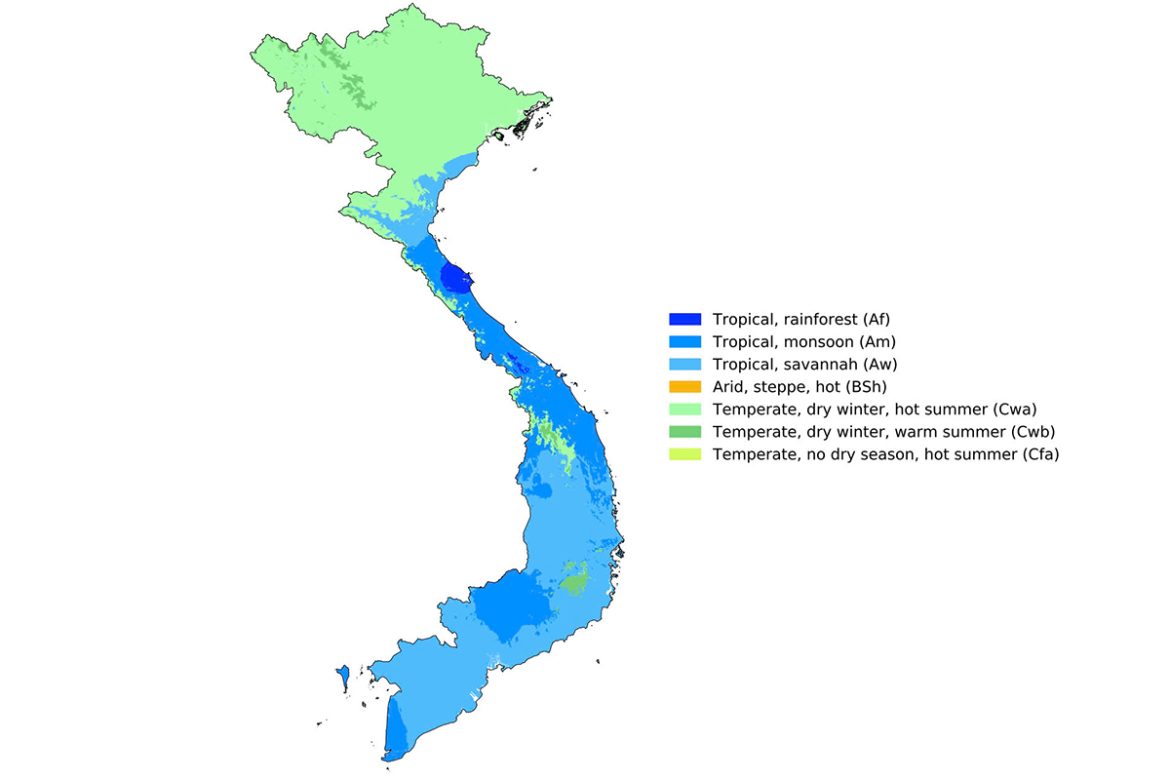
Vietnam’s tropical monsoon climate, influenced by its Southeast Asian location near the equator and the East Sea, significantly benefits its economy, particularly in agriculture, fisheries, and forestry. Stretching over 3,200 km from north to south, the country experiences a diverse climate across its regions, creating favorable natural conditions for robust economic production and development.

Tropical monsoon climate: Vietnam has two main seasons: the rainy season and the dry season, with high average temperatures year-round. The stability in temperature and humidity allows Vietnam to produce agricultural and aquatic products year-round with minimal impact from extreme weather conditions like cold winters in other countries.

Regional differentiation: The climate varies significantly across the north, central, and southern regions, with a shorter, colder winter in the north and a prolonged dry season in the south. This difference fosters biodiversity and production diversity, from temperate crops in the north to tropical crops in the south and central regions.

Geographical Advantages

Vietnam boasts diverse terrain with a mix of mountains, plains, and coastal areas, offering favourable conditions for the development of agriculture, forestry, and fisheries. The country has about 33 million hectares of natural land, of which around 39% is agricultural land. The characteristics and distribution of this land have shaped various agricultural, forestry, and fisheries production zones, significantly contributing to the national economy.

Fertile alluvial soil in the deltas: The plains, especially the Red River Delta and the Mekong Delta, are enriched with annual alluvial deposits, creating fertile land. These areas thrive in rice cultivation and short-term crops, greatly contributing to Vietnam’s rice export output. The high yield, coupled with the rich soil quality, reduces production costs, boosting the competitiveness of Vietnam’s agricultural products in the international market. With its extensive river system, the Mekong Delta excels in aquaculture, producing shrimp, tra fish, and basa fish that are exported to many countries, making substantial contributions to the economy.

Bazan soil in the Central Highlands: The fertile bazan soil in the Central Highlands is ideal for growing long-term industrial crops such as coffee, rubber, and pepper. The Central Highlands is Vietnam’s largest coffee-producing region, and its coffee exports generate significant foreign currency income for the country. Rubber and pepper are also valuable export commodities.

Mountainous regions: Mountainous areas account for about three-quarters of Vietnam’s territory, mainly concentrated in the North and Central Highlands. These regions have abundant forest resources, providing timber, medicinal plants, and other forestry products. Forests not only contribute to revenue through the export of timber and forest products but also play a crucial role in water retention, preventing erosion, and protecting biodiversity. Additionally, forests support the development of eco-tourism activities, providing income for local communities and contributing to the economy.

Thanks to its diverse climate and weather, Vietnam has seen strong growth in sectors like agriculture, fisheries, and forestry, offering many advantages in production and exports.

What are Vietnam’s key strengths in agriculture, forestry, and fisheries?

Agriculture

  • Diverse and abundant production of agricultural products The variation in climate across regions provides favourable conditions for cultivating a wide variety of crops, from rice and coffee to tropical fruits.
  • Key agricultural products: Vietnam is one of the leading exporters of rice, coffee, pepper, cashews, and fruits such as mango, dragon fruit, longan, and lychee. Vietnam is currently one of the world’s largest exporters of key agricultural products. Rice exports amount to around $3.5 billion annually, while coffee generates about $3 billion in export value. Fruits such as dragon fruit, mango, and longan have shown high growth, with total fruit export revenue reaching $4 billion in 2023. Major markets like the EU, the US, and Japan continue to increase their demand for Vietnamese agricultural products. Agricultural exports have been growing at a rate of 8-10% per year, reflecting the strong development of the sector.
  • Potential for organic and sustainable agriculture: The favourable climate helps Vietnamese farmers easily adopt organic and sustainable farming methods. The global trend towards green consumption has opened up opportunities for Vietnamese agricultural products, particularly those that are safe and environmentally friendly.

Fisheries 

  • Utilizing abundant resources from vast coastal waters With a long coastline and resource-rich tropical seas, Vietnam is one of the world’s leading countries in the fisheries sector.
  • High-quality seafood products: Products like black tiger shrimp, tra fish, and basa fish are highly valued in international markets. The warm coastal waters and abundant marine resources allow Vietnamese seafood products to meet high international standards, especially in markets like the EU and the US. Fisheries are one of Vietnam’s largest export sectors, with seafood exports exceeding $10 billion in 2023, mainly driven by shrimp, tra fish, and basa fish. Export growth in the fisheries sector remains stable at 5-7% per year.
  • Development of aquaculture: The stable year-round climate has allowed Vietnam to rapidly develop aquaculture, meeting the high export demand and creating jobs for coastal communities.

Timber products 

  • Opportunities in the wood and wood products industry: With a large forest area and diverse industrial tree species, Vietnam’s tropical climate strongly supports the forestry sector and the production of wood products.
  • Abundant and stable wood supply: Vietnam has ideal conditions for cultivating tree species such as acacia, eucalyptus, rubber, and bamboo, providing sustainable materials for the wood processing industry. International businesses can benefit from this stable and high-quality supply for the production of wood products. The wood and wood products industry is one of Vietnam’s key export sectors, with exports of wood and wood products reaching around $16 billion in 2023, making Vietnam the second-largest wood exporter in the world, after China. Export growth in the wood products sector averages around 10% per year.
  • High-quality wood and furniture products: Vietnam is one of the world’s largest exporters of wood furniture, known for its furniture, home decor, and eco-friendly bamboo products. By meeting international standards and embracing sustainable production processes, Vietnam’s wood industry has attracted significant interest from foreign businesses.

Conclusion

Thanks to its tropical monsoon climate and distinct regional variations, Vietnam is increasingly asserting its advantages in agriculture, fisheries, and timber products. For international businesses, Vietnam is a reliable and stable source of high-quality products, from agricultural to seafood and wood products. Choosing to import goods from Vietnam not only brings commercial value but also contributes to the sustainable development of global supply chains.

See more:  What products should you be sourcing from Vietnam?

October 27, 2024 0 comment
0 FacebookTwitterLinkedinWhatsapp
Fruit & Vegetable

The Surprising Health Benefits of Dragon Fruit

by Henry Truong October 23, 2024
written by Henry Truong

Dragon fruit, considered a “super fruit”  of Asia is gaining popularity due to its numerous health benefits and impressive global growth rate of 15% annually. This fruit, native to Central America and Mexico, thrives in arid and tropical climates, making it a resilient crop. It was introduced to Asia during the Spanish colonial period and is now widely cultivated in countries like Vietnam and Thailand. Vietnam was the top producer for years until China overtook that position.

Dragon fruit’s appeal lies in its rich nutritional profile, mild flavour, and versatility. Its slightly sweet, refreshing taste pairs well with various dishes, from salads to smoothies and desserts, making it a staple in international cuisine.

What nutrients does dragon fruit offer?

Dragon fruit is a nutrient-dense fruit, packed with essential vitamins and minerals that contribute to its numerous health benefits. It’s a valuable addition to any diet, offering a rich profile of key nutrients that support overall well-being. Let’s explore the specific nutrients found in dragon fruit:

  • Vitamin C: Approximately 34.7 mg per 100g, covering about 58% of the daily recommended intake for adults. Vitamin C boosts the immune system and promotes skin health.
  • B Vitamins: Contains B1, B2, B3, and B12, which support nerve function, energy metabolism, and cell production.
  • Iron: Provides about 0.5 mg per 100g, which aids in haemoglobin production and enhances blood circulation.
  • Magnesium contributes to regulating blood pressure and muscle function. A serving supplies about 10% of the daily magnesium requirement, supporting heart and muscle health.
  • Calcium: Essential for maintaining healthy bones and teeth.
  • Fibre: One serving offers 3-4 grams of fibre, meeting about 10-15% of daily needs, aiding digestion, and helping reduce the risk of diabetes.

This combination of nutrients makes dragon fruit a valuable addition to a balanced diet.

What are the main health benefits of eating dragon fruit?

Dragon fruit, with its impressive array of vitamins and minerals, provides a wide range of health benefits for everyone, including specific advantages for women. These benefits are supported by scientific research, making dragon fruit a powerful addition to a healthy lifestyle. Here are the primary scientifically proven benefits:

  1. Strengthens the Immune System
    Dragon fruit is rich in vitamin C and antioxidants, which help the body combat harmful agents and bolster the immune system. This reduces the risk of infections, particularly during flu and cold seasons.
  2. Aids Digestion
    With its high fiber content, dragon fruit enhances digestive function, prevents constipation, and supports healthy gut bacteria. Soluble fiber also promotes nutrient absorption and helps regulate blood sugar levels.
  3. Antioxidant Properties and Cancer Prevention
    Dragon fruit contains antioxidants such as flavonoids, betacyanins, and vitamin C, which protect cells from free radical damage, reducing the risk of cancer and chronic diseases. Research indicates that lycopene, a carotenoid found in dragon fruit, may lower the risk of prostate and other cancers. The red-fleshed variety has a higher antioxidant content, including anthocyanins and carotene, compared to the white-fleshed variety.
  4. Supports Heart Health
    Dragon fruit improves cardiovascular health by lowering bad cholesterol (LDL) and increasing good cholesterol (HDL), thereby reducing the risk of atherosclerosis, heart attacks, and strokes. The healthy fatty acids in dragon fruit seeds further promote heart health.
  5. Helps Control Blood Sugar
    The high fiber content in dragon fruit helps regulate blood sugar by slowing sugar absorption, making it beneficial for individuals with diabetes or those at risk. Studies show that regular consumption can improve insulin sensitivity. For diabetes management, nutritionists recommend white-fleshed dragon fruit (7.65g of sugar per 100g) over red-fleshed (11.5g of sugar per 100g) to lower the risk of high blood sugar.
  6. Improves Skin Health
    With its high vitamin C and antioxidant levels, dragon fruit enhances skin appearance, slows aging, and promotes firmness and brightness. Vitamin C also supports collagen production, helping maintain skin elasticity and minimize wrinkles.
  7. Enhances Eye Health
    Dragon fruit contains carotenoids, such as beta-carotene, a precursor to vitamin A, which helps protect vision and prevent issues like macular degeneration and cataracts.
  8. Aids in Weight Loss
    Naturally low in sugar and calories, and gluten-free, dragon fruit is suitable for various diets, including keto and low-carb. Its nutrient content provides energy without contributing to weight gain.

Conclusion

One of the key advantages of dragon fruit is its long shelf life and ease of transportation. These characteristics enable it to reach diverse markets across the globe, meeting the rising consumer demand for delicious and healthful products. As consumers increasingly seek out functional foods that contribute to overall wellness, dragon fruit fits the bill with its rich vitamin C content, antioxidants, and dietary fiber.

The unique flavour of dragon fruit—slightly sweet and refreshing—combined with its crunchy and juicy texture, makes it an ideal ingredient for a wide array of culinary creations. It is particularly appealing to dieters and vegetarians looking for nutritious and satisfying options. In Europe, for instance, dragon fruit is often blended into smoothies, offering a vibrant color and mild flavor that complements various fruits. It is also commonly sliced and used as a topping for oatmeal, enhancing both the visual appeal and nutritional profile of the dish.

Vegetarians frequently incorporate dragon fruit into salads, pairing it with fresh vegetables and seeds to create delicious and refreshing meals. These salads not only provide a burst of flavour but also deliver essential nutrients, making them a perfect choice for a healthy snack or main meal. Additionally, dragon fruit’s versatility extends to desserts, where it can be used in fruit bowls, sorbets, and even as a colourful ingredient in cakes and pastries.

In conclusion, the strong market growth of dragon fruit reflects its potential as a superfruit that caters to the needs of health-conscious consumers around the world. Its delicious flavour, impressive nutritional profile, and versatility in cooking continue to establish dragon fruit as a staple in international cuisine.

If you are looking for a supplier of dragon fruit, you should read these articles:

  • Where to Import Dragon Fruit?
  • Top Countries Importing Dragon Fruit: A Comprehensive Analysis
October 23, 2024 0 comment
0 FacebookTwitterLinkedinWhatsapp
Fruit & Vegetable

Top Countries Importing Dragon Fruit: A Comprehensive Analysis

by Henry Truong October 21, 2024
written by Henry Truong

Currently, most countries primarily import fresh dragon fruit for consumption. However, the potential for processed dragon fruit products is substantial. Dragon fruit juice, dried fruit, jelly, syrup, and even cosmetics are increasingly sought after in developed markets, signalling a promising future for this exotic fruit.

So, which countries are the largest importers of dragon fruit? The following article provides a detailed overview of the top dragon fruit-importing nations and their preferences for this vibrant fruit.

Which country imports the most dragon fruit globally?

China stands as the world’s leading importer of dragon fruit, consuming approximately 2 million tons annually, which accounts for about 70% of the global output. Despite being a significant producer itself, China’s vast domestic demand consistently outstrips its production capacity, necessitating substantial imports each year to meet consumer needs.

In 2022, China imported 567,700 tons of dragon fruit, valued at 511 million USD, while exporting only 9,000 tons worth 16 million USD. From January to October 2023, imports reached 302,700 tons, valued at 283 million USD, with exports slightly declining to 8,400 tons, valued at 13 million USD.

The majority of dragon fruit imported into China comes from Vietnam, with only minor contributions from Taiwan and Ecuador. During the same period in 2023, Vietnamese imports accounted for 99.97% of China’s total dragon fruit quantity and 99.75% of its import value.

Guangxi province is China’s largest dragon fruit production area, boasting a cultivation area of 340,000 mu, which constitutes about one-third of the country’s total. The expansion of planting areas and increased harvests have led to a noticeable decline in imports. Customs data indicate that in the first half of 2024, dragon fruit imports fell to 206,000 tons, valued at 1.37 billion yuan, marking decreases of 50.4% and 42.9% year-on-year, respectively. This level represents the lowest import volume in the past decade, following the previous low of 237,000 tons in 2019.

Understand more about the dragon fruit market by this article: Where to Import Dragon Fruit

Is the US market for dragon fruit growing?

Yes, the United States market for dragon fruit is experiencing significant growth, with import volumes surging by 60% over the past five years and continued expansion expected. In 2023 alone, the U.S. imported approximately 259.90 million kg of fresh dragon fruit, marking a 6.22% increase from the previous year, with the total import value reaching around $350.57 million, up 14.45%.

The U.S. ranks second globally in dragon fruit imports, capturing a 12% market share. This rise in import volume is largely attributed to increasing awareness among American consumers about the fruit’s health benefits. Rich in antioxidants and vitamins, dragon fruit has become a popular choice in many diets.

Currently, the United States sources dragon fruit from various countries based on the fruit’s variety. Vietnam is the largest supplier, exporting primarily white-fleshed and red-fleshed dragon fruit, with an estimated turnover of $250 million. Notably, the first four months of 2024 saw a remarkable 102% growth in Vietnamese dragon fruit exports to the U.S., highlighting the robust demand from the world’s largest economy.

In addition to Vietnam, the U.S. imports dragon fruit from several other countries, including yellow-skinned varieties from Israel and Mexico, as well as competitively priced options from Nicaragua and Ecuador.

Why is dragon fruit demand increasing in India?

Dragon fruit demand in India is rapidly increasing due to its high nutritional value and the country’s large vegetarian population, particularly in major urban areas. India began importing dragon fruit in 2017 from various Asian countries like Vietnam, Malaysia, and Sri Lanka, and over the past five years, these imports have skyrocketed by 300%, averaging between 15,000 and 20,000 tons annually.

The cultivation of dragon fruit in India is expanding rapidly. States like Karnataka, Maharashtra, Tamil Nadu, and Gujarat have initiated dragon fruit farming. However, domestic production currently falls short of meeting local demand, leading to a reliance on imports for the majority of the Indian market. In 2017, India imported only 327 tons of dragon fruit; by 2019, this figure surged to 9,162 tons and has since approached nearly 20,000 tons in recent periods.

The high nutritional value of dragon fruit, combined with the fact that 60% of India’s population is vegetarian, drives significant demand in major urban areas. In cities like Mumbai, Pune, and Surat, dragon fruit prices range from 50 to 120 rupees per kg, with retailers selling the fruit for 60 to 100 rupees each in local markets.

The Indian government is actively working on plans to boost domestic dragon fruit production. However, with demand continuing to rise, the country will likely need to increase imports from countries like Vietnam and Thailand.

What is the dragon fruit market like in the European Union?

The European Union’s dragon fruit market shows steady growth, with annual consumption across Europe hovering around 100 million kg. The Netherlands is the largest importer within the EU, primarily sourcing dragon fruit from Vietnam and other Southeast Asian countries, with imports in 2023 reaching approximately 84.54 million kg, channeled through the port of Rotterdam for redistribution across the continent.

For instance, the dragon fruit market in the UK is valued at $33.2 million in 2023. Demand from the processing and consumption sectors is projected to grow at a compound annual growth rate (CAGR) of 8.3% over the next five years. UK producers are increasingly incorporating dragon fruit into various food and beverage products, including jams, sauces, carbonated drinks, and juices, in response to the rising demand for organic and natural options.

Additionally, Vietnam and several European countries have signed the European Union-Vietnam Free Trade Agreement (EVFTA), which reduces tariffs on agricultural products exported from Vietnam, including dragon fruit. This trade agreement enhances the competitiveness of Vietnamese dragon fruit in the European market, supporting ongoing growth in imports.

To further promote the development of the dragon fruit market, importers from the Netherlands and other European countries are working closely with Vietnamese suppliers to ensure product quality and stable supply. This cooperation not only helps increase product visibility but also helps Dragon Fruit gain a more important position in the European consumer market through marketing and brand promotion strategies.

How is Vietnam leading the global dragon fruit market?

Vietnam is leading the global dragon fruit market by not only consistently expanding its export volume but also strategically investing in innovation through importing high-quality seedlings. As the world’s largest exporter of dragon fruit, Vietnam aims to enhance both yield and fruit quality, ensuring it maintains its dominant position and meets the growing demand for premium fruit in both domestic and international markets.

The imported high-quality seedlings primarily come from countries such as Israel, the United States, and Mexico, which have conducted extensive research and innovation in developing high-quality dragon fruit cultivars. By introducing these superior seedlings, Vietnamese farmers can cultivate dragon fruit varieties that are better suited to market demands.

Furthermore, Vietnam is collaborating with New Zealand to develop new types of dragon fruit varieties. The newly developed varieties include:

  • DF14: This variety features white flesh with pink edges and has a delicious taste that is well-received in the market.
  • DF16: A special pink-fleshed dragon fruit, appreciated by consumers for its unique colour and flavour.
  • DF2: This purple-fleshed dragon fruit is not only visually appealing but also has high nutritional value, aligning well with health food trends.

These newly developed dragon fruit varieties are expected to hit the market by 2027, with plans to cultivate 250 hectares by 2030, further enhancing Vietnam’s competitiveness in the global dragon fruit market.

See further:

  • Import Dragon Fruit from Vietnam. A Guide for International Buyers
  • Comparison of Vietnam Dragon fruit varieties

Conclusion

The global demand for dragon fruit is steadily rising, with various countries playing significant roles in the import and export markets. China leads the way, accounting for a substantial portion of the world’s dragon fruit consumption, primarily imported from Vietnam. Meanwhile, the United States is experiencing robust growth in dragon fruit imports, driven by increasing consumer awareness of its health benefits. India is rapidly expanding its dragon fruit imports due to a growing urban population and rising health consciousness, while the EU, particularly the Netherlands and the UK, sees promising growth as dragon fruit becomes a sought-after ingredient in various food and beverage products.

October 21, 2024 0 comment
0 FacebookTwitterLinkedinWhatsapp
Newer Posts
Older Posts

Recent Posts

  • Import Vietnamese Coffee: Your Strategic B2B Playbook
  • Vietnam’s Coffee Economy: Market Trends, Export, and Sustainable Future
  • Vietnamese Coffee Brands: Your Definitive Guide to Authentic Flavors, Top Picks & Smart Buying
  • Vietnamese Coffee Taste: Your Sensory Guide to Bold Flavors
  • Vietnamese Coffee: Ultimate Guide to History, Brews & Global Impact

Follow Us

Facebook Linkedin Twitter

Recent Posts

  • Import Vietnamese Coffee: Your Strategic B2B Playbook

    December 17, 2025
  • Vietnam’s Coffee Economy: Market Trends, Export, and Sustainable Future

    December 15, 2025
  • Vietnamese Coffee Brands: Your Definitive Guide to Authentic Flavors, Top Picks & Smart Buying

    December 13, 2025
  • Vietnamese Coffee Taste: Your Sensory Guide to Bold Flavors

    December 12, 2025
  • Vietnamese Coffee: Ultimate Guide to History, Brews & Global Impact

    December 11, 2025

Categories

  • Food & Spicy Industry (30)
  • Free Trade Agreement (18)
  • Fruit & Vegetable (56)
  • Garment & Footwear (11)
  • Market Insights (29)
  • Others (4)
  • Seafood (4)
  • Vietnam Commodity Market Price (17)
  • Vietnam Export Data (15)
  • Vietnam Market (6)
  • Wood & Furniture (19)

Vietnam Commodity Export offers comprehensive and in-depth information on Vietnam’s sourcing market, highlighting opportunities and challenges across various industries. We help international businesses find quality manufacturers and reliable suppliers in Vietnam, providing the critical insights needed to connect with the best partners and resources in the market.

Newsletter Subscribe
    • Homepage
    • Market Insight
    • Sourcing Service
    • Vietnam Overview
    • Publication
    • About Us
    • Contact Us
  • Product Catalogue
    • Coconut Products
    • Tropical Fruits
    • Spicy Products
    • Food & Nuts Products
    • Dried Fruit

You are looking for suppliers in Vietnam!

Shop Now
Facebook Linkedin Twitter Email
VNCOMMEX Group Co. Ltd Address: 06 Vo Van Kiet, Nguyen Thai Binh Ward, District 1, HCMC
Email: info@vncommex.com

All rights reserved. Designed and developed by Vietnam Commodity Exports

Privacy Policy

FAQ

VnCommEx
  • VCE
  • Product Catalogue
  • Market Insight
    • Wood & Furniture
    • Garment & Footwear
    • Food & Spicy Industry
    • Fruit & Vegetable
    • Others
    • Market Insights
  • Vietnam Market
    • Vietnam Commodity Market Price
    • Vietnam Export Data
    • Vietnam in FTA
  • Publication
  • About Us
  • English
    • 中文 (中国)
    • Tiếng Việt
VnCommEx
  • VCE
  • Product Catalogue
  • Market Insight
    • Wood & Furniture
    • Garment & Footwear
    • Food & Spicy Industry
    • Fruit & Vegetable
    • Others
    • Market Insights
  • Vietnam Market
    • Vietnam Commodity Market Price
    • Vietnam Export Data
    • Vietnam in FTA
  • Publication
  • About Us
  • English
    • 中文 (中国)
    • Tiếng Việt
@2021 - All Right Reserved. Designed and Developed by PenciDesign
✕

Shopping Cart

Close
No products in the cart.
Close
 
Return to shop