

The market potential for jackfruit, especially young jackfruit, is vast, particularly in regions where vegetarianism is on the rise. This trend is evident in European countries and the U.S., where consumers are increasingly concerned about environmental sustainability and animal welfare.
Young jackfruit stands out as a promising solution, much like it has for millions in Asia striving for better livelihoods.
Currently, four countries—Vietnam, Bangladesh, India, and Thailand—can supply finished jackfruit, particularly young jackfruit, to the global market. Vietnam has consistently held its position as the world’s leading jackfruit exporter, making it an ideal source for global importers seeking high-quality products.
This article will delve deeper into why Vietnam should be your top choice for sourcing jackfruit.

Why is Vietnamese jackfruit known for its high quality and large output?
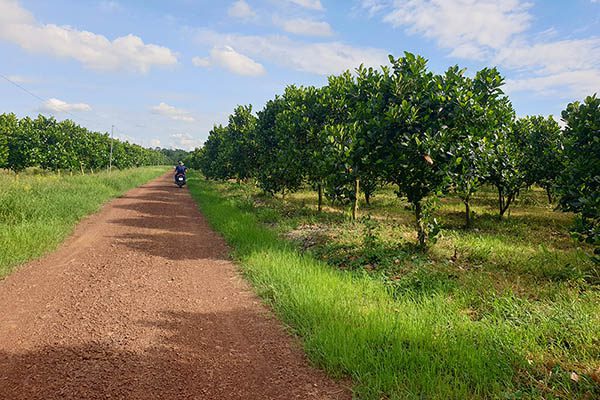
As of 2021, Vietnam’s total jackfruit cultivation area, primarily consisting of Thai jackfruit, spanned 58,511 hectares. The Mekong Delta provinces hold the majority, with 30,045 hectares allocated for jackfruit farming. Leading these provinces is Tien Giang with 13,141 hectares, followed by Hau Giang at 6,966 hectares.
Despite having a smaller jackfruit growing area compared to Bangladesh (79,000 hectares), Thailand (37,000 hectares), and India (102,552 hectares), Vietnamese jackfruit enjoys significant popularity in international markets for various compelling reasons:
- Outstanding Product Quality: Vietnamese jackfruit varieties, such as Thai jackfruit, Nghe jackfruit, and Tu Quy jackfruit, are renowned for their delectable flavour, rich sweetness, and satisfying crispness. The consistent quality of these fruits meets the stringent requirements of many export markets, particularly in Europe and the United States.
- Favorable Climate Conditions: Vietnam’s tropical monsoon climate offers ample rainfall and stable temperatures, making it conducive for jackfruit cultivation. Key growing regions, such as the Mekong Delta and Southeast, benefit from fertile alluvial soil, promoting the robust growth of jackfruit trees that produce high-quality fruits characterized by their sweet, rich flavour.
- Supportive Agricultural Policies: The Vietnamese government actively promotes the agricultural sector through various initiatives aimed at improving productivity and sustainability. These efforts include investments in research and development to enhance jackfruit varieties and farming practices, solidifying Vietnam’s role as a significant supplier in the global market.
Through these combined advantages, Vietnam continues to position itself as a leading source of high-quality jackfruit, catering to the increasing demands of international markets and establishing itself as a vital player in the global fruit industry.
How competitive is the price of Vietnamese jackfruit for importers?
The price of Vietnamese jackfruit is highly competitive for international importers, typically ranging from $0.37 to $1.23 USD/kg (approximately VND 9,000 – VND 30,000), depending on type and quality. This competitive pricing is further enhanced by the superior quality of the fruit and the significant advantages offered by Vietnam’s extensive network of trade agreements, which often reduce or eliminate import tariffs.
- Thai Jackfruit: Standard export-grade prices range from VND 30,000 to VND 33,000 (about $1.27 to $1.40 USD) per kg. Lower grades are priced at around VND 25,000 to VND 28,000 (approximately $1.06 to $1.19 USD), while the lowest quality can be as low as VND 15,000 to VND 18,000 (about $0.63 to $0.76 USD).
- Bangladesh Jackfruit: Prices generally range from BDT 80 to BDT 150 (approximately $0.72 to $1.35 USD) per kg, though quality can be inconsistent.
- Indian Jackfruit: Prices in India range from ₹30 to ₹100 (about $0.36 to $1.20 USD) per kg. As India is still developing its jackfruit export sector, the quality remains a concern, which may justify the lower prices.
Compared the top of Jackfruit exporters here: Where to Buy Jackfruit in Bulk: Best Global Suppliers
What factors make importing jackfruit from Vietnam more cost-effective?
Importing jackfruit from Vietnam is often more cost-effective due to several key factors that reduce overall expenses for international buyers. These advantages include favorable tax benefits from numerous free trade agreements, lower transportation costs facilitated by Vietnam’s extensive coastline, and a robust logistics infrastructure that ensures efficient and timely delivery.
- Taxes: Import tariffs significantly affect pricing. Free trade agreements (FTAs) can lower or eliminate these tariffs, making Vietnamese jackfruit more appealing. Vietnam has signed 19 global FTAs, with 16 currently active, allowing its agricultural products to access over 60 countries with preferential tax rates, often as low as 0%.
- Transportation Costs: Vietnam’s long coastline of 3,260 km facilitates low shipping costs to major seaports. While sea freight rates may be slightly higher than those in Bangladesh, they tend to be around 10% lower than in India and on par with Thailand.
- Logistics Infrastructure: Vietnam’s ongoing investment in logistics and infrastructure improvements enhances the efficiency of the supply chain, reducing delays and costs. The development of modern cold storage facilities and transportation networks ensures that jackfruit can be transported fresh, maintaining its quality during transit.
What are the main benefits of sourcing jackfruit from Vietnam?
- Tax Benefits: For example, under the EU-Vietnam Free Trade Agreement (EVFTA), Vietnam’s jackfruit exports to EU countries are mostly tax-free. Conversely, countries like Bangladesh, Thailand, and India face import tariffs fluctuating from 10% to 20%. This tariff differential can result in significant savings for importers sourcing from Vietnam.
- Consistent Quality: While Vietnamese jackfruit prices are competitive, they also reflect the high quality of the fruit. The stringent agricultural practices in Vietnam, including the use of clean farming techniques without harmful chemicals, ensure that jackfruit meets international food safety standards, making it attractive to health-conscious consumers in target markets.
- Market Demand: The increasing global demand for plant-based products enhances the attractiveness of sourcing jackfruit from Vietnam. As consumers in Europe and North America lean towards vegetarianism and veganism, high-quality jackfruit can serve as a versatile meat substitute, further boosting its market potential.
Understand more about the advantages of FTAs of Vietnam: Maximizing Benefits from Vietnam’s FTAs and Business Incentives
How does Vietnam’s supply chain ensure efficient jackfruit export?
Vietnam’s modern, flexible, and robust agricultural supply chain is crucial for ensuring efficient jackfruit export, enhancing production efficiency, maintaining product quality, reducing costs, and boosting international competitiveness. This sophisticated system connects farmers and businesses through agricultural cooperatives, leverages advanced technology for management and traceability, and optimizes transportation and inventory to streamline the export process.
Connecting Farmers and Businesses
- Agricultural Cooperatives: As of the end of 2022, Vietnam had approximately 23,000 agricultural cooperatives, according to the Ministry of Agriculture and Rural Development. These cooperatives play a vital role in connecting farmers within the same regions, fostering collaboration inefficient harvesting and timely delivery of goods. By pooling resources, farmers can enhance their bargaining power and access larger markets.
- Market Access: Cooperatives also facilitate access to funding, advanced farming techniques, and market information, enabling farmers to align production with market demands and trends.
Management and Technology in the Supply Chain
- Applying Technology: The Food and Agriculture Organization of the United Nations (FAO) reports that about 65% of farmers in Vietnam utilize automatic irrigation technology, while 50% of processing enterprises have adopted digital technologies for production management. This technological integration streamlines operations minimizes labor costs and maximizes crop yields.
- Traceability: A Nielsen survey indicated that 60% of consumers in Europe are willing to pay more for food products with clear traceability. This trend has motivated Vietnam to implement technologies such as QR codes and blockchain in its supply chain, enabling consumers to track the journey of their food from farm to table, thereby enhancing trust and transparency.
Optimizing Costs and Time
- Transportation Costs: According to the General Statistics Office of Vietnam, the average cost of transporting exported goods is around 1.5 million VND per 20-foot container. This cost is 10% lower than that of countries like Thailand and 20% lower than India. Lower transportation costs improve profit margins for exporters and make Vietnamese products more competitive in global markets.
- Inventory Management: A study by PwC highlights that implementing a smart inventory management system has enabled agricultural processing enterprises to reduce warehousing costs by 20%. Improved inventory management leads to faster turnaround times, minimizing waste and ensuring that products reach markets promptly.
Strengthening Sustainable Development
- Organic Production: The area designated for organic production in Vietnam has expanded to 200,000 hectares in 2023, with 1,500 enterprises participating, reflecting a 25% increase compared to 2022. This shift towards organic farming aligns with global consumer trends favouring sustainable and healthy food options, further enhancing the marketability of Vietnamese products.
- Sustainability Initiatives: Many farmers are adopting eco-friendly practices, contributing to the country’s sustainable agricultural goals while attracting environmentally conscious consumers worldwide.
What types of processed jackfruit products does Vietnam export?
Vietnam is committed to adhering to stringent food safety and hygiene standards, such as GAP (Good Agricultural Practices), HACCP (Hazard Analysis and Critical Control Points), and GlobalGAP. These standards ensure that jackfruit exported from Vietnam meets the food safety and traceability requirements of demanding markets like the EU and the US. Currently, Tien Giang province boasts 72 codes for jackfruit growing areas covering over 8,600 hectares and nearly 300 codes for packaging facilities for various fruits, including durian, jackfruit, mango, and dragon fruit, which are officially exported to the Chinese market.
The jackfruit processing industry in Vietnam has experienced robust growth in recent years, spurred by investments in modern technology and equipment that cater to the increasing demands of both domestic and international markets. Jackfruit is now not only consumed as fresh fruit but also processed into a wide variety of products, enhancing its value and extending its shelf life.
Key Technologies in Jackfruit Processing
Drying and Freezing Technology:
- Processing factories employ methods such as freeze-drying, heat-drying, and deep-freezing to process jackfruit. These techniques effectively preserve its flavour and nutrients while extending shelf life without the need for preservatives.
- Dried and frozen jackfruit is widely exported to international markets, including Europe, the US, and Korea. This diversification allows Vietnamese jackfruit to reach consumers year-round, irrespective of harvest seasons.
Canning and Vacuum Packaging Technology:
- To meet international export standards, jackfruit processing factories utilize modern canning and vacuum packaging technologies. These methods preserve the product for extended periods while maintaining its freshness and flavour.
- Such packaging techniques allow young jackfruit to be distributed to distant markets without compromising its original quality. The ability to maintain freshness during transportation is crucial for competing in global markets.
Food Processing Technology from Young Jackfruit:
- Young jackfruit is gaining recognition as an essential ingredient in the meat substitute food industry. Jackfruit processing factories in Vietnam have adopted innovative technologies to produce a variety of products from young jackfruit, including plant-based meat and vegetarian food options.
- These developments cater to the growing demand for sustainable and plant-based dietary alternatives, expanding the product portfolio available to the international market.

Conclusion
Vietnam’s jackfruit industry is a competitive player in the global market, distinguished by high-quality products and modern agricultural practices. With 58,511 hectares of cultivation, particularly in the Mekong Delta, Vietnamese jackfruit is renowned for its flavour and sweetness, meeting rigorous food safety standards like GAP and HACCP.
The country benefits from competitive pricing, supported by free trade agreements that lower tariffs, making it an attractive supplier compared to Bangladesh, Thailand, and India. A robust agricultural supply chain enhances efficiency and product quality, while advanced technologies improve irrigation, traceability, and inventory management.
Furthermore, the diversification of jackfruit products—ranging from dried and frozen varieties to innovative plant-based alternatives—positions Vietnam favourably in response to global consumer trends for healthier food options. With its focus on quality and sustainability, Vietnam is well-equipped to seize opportunities in the evolving international market for jackfruit.
See more:


