

Why is Vietnam a major player in global coffee exports?
Vietnam holds a significant position in the global coffee market as the world’s second-largest exporter, contributing approximately 15-20% of global coffee production. This powerhouse status is largely driven by its robust Robusta output, which constitutes over 90% of its exports and is prized for its high caffeine content and bold flavor. Beyond sheer volume, Vietnam is also strategically expanding its focus on high-quality and specialty coffee products to cater to the evolving demands of international buyers.
Vietnam is a coffee powerhouse, ranking second globally with an annual export of 1.6 million tons. Only Brazil surpasses this volume, exporting 2.6 million tons. Vietnam’s exports far exceed those of competitors like Colombia (0.77 million tons) and Indonesia (0.63 million tons), solidifying its leadership in the global coffee market.
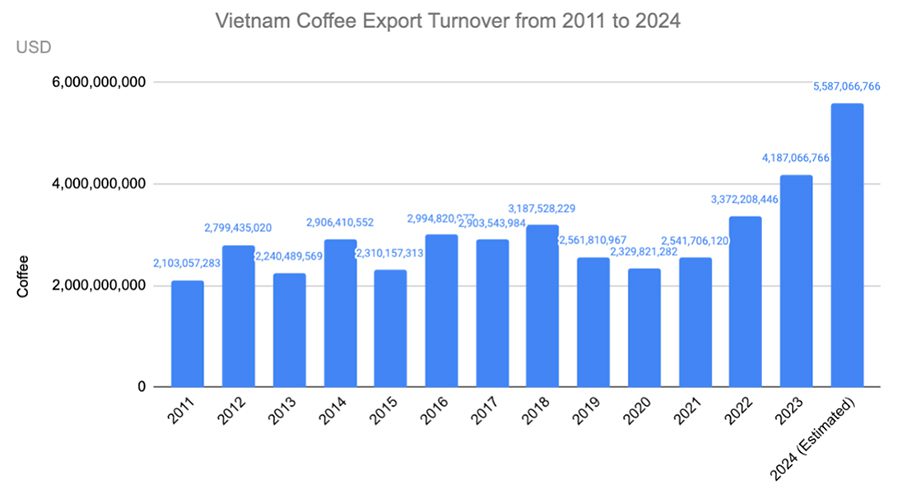
See detail the Vietnam Coffee Export Value 2011 – 2025
Vietnam’s Coffee Export Market
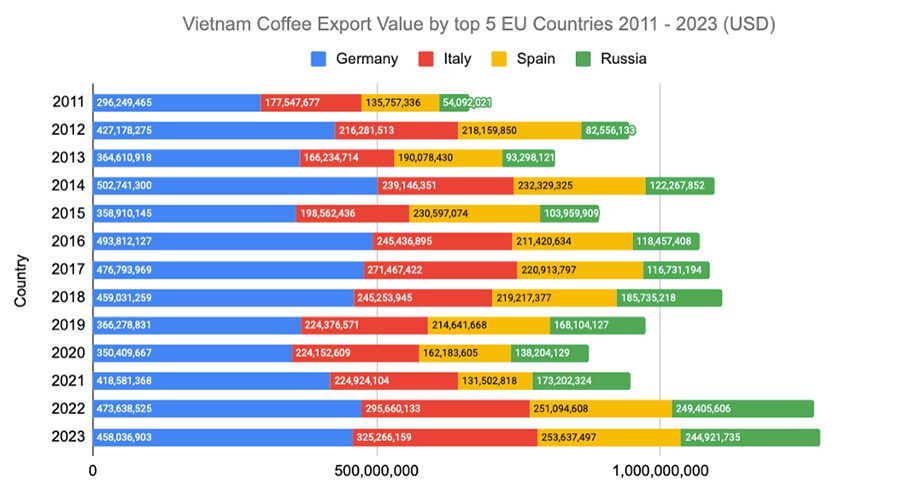
Europe (EU) – Europe is the largest market for Vietnamese coffee, capturing approximately 16% of the EU coffee import market:
- Germany: The largest importer, bringing in around 170,000 tons of Vietnamese coffee annually.
- Spain: The leading importer of unroasted and decaffeinated coffee from Vietnam.
- Italy: Another key market, importing over 100,000 tons of coffee.
- Russia: Primarily imports instant coffee from Vietnam, showing significant growth.
Japan: A rapidly growing market, importing 81,628 tons of coffee from Vietnam in the first 10 months of 2024.
United States: A potential growth market, with Vietnamese coffee exports ranging between 292-300 million USD annually despite fluctuations in recent years.
What types of coffee does Vietnam export and how is its quality perceived?
As one of the world’s leading coffee exporters, Vietnam primarily focuses on Robusta and Arabica beans, alongside a growing portfolio of processed coffee products. The country’s coffee quality has seen significant improvements, gaining international recognition for its unique characteristics and the emergence of ‘Fine Robusta’.
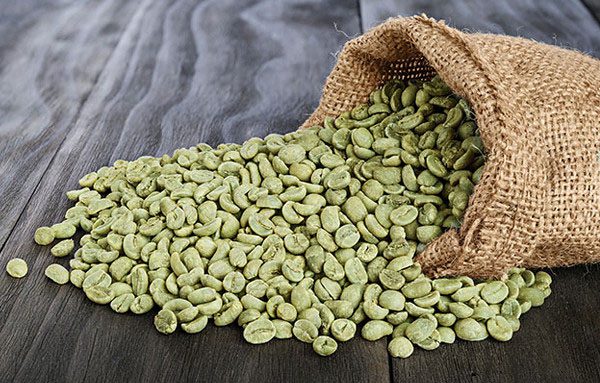
Vietnam is renowned for its Robusta coffee beans, which are known for their strong flavour and high caffeine content. Over 90% of the country’s coffee production is Robusta, making it a leading supplier worldwide. You can also source Arabica beans, which are grown in smaller quantities, often in the highland regions like Lam Dong and Son La, offering a milder taste with higher acidity compared to Robusta.
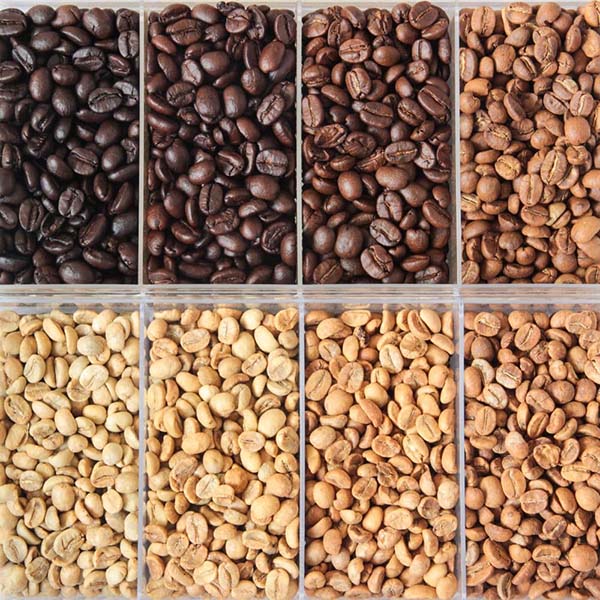
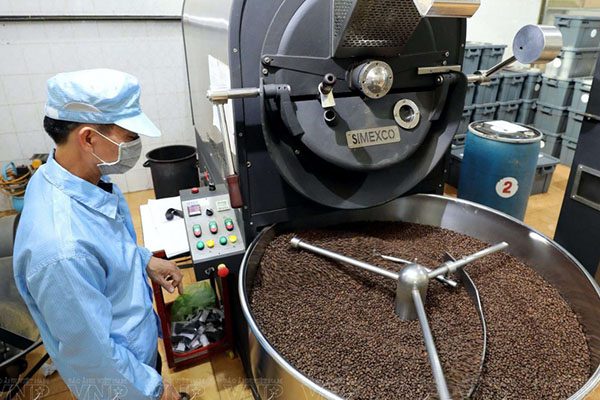
Vietnam offers a wide range of roasted coffee, including both Robusta and Arabica varieties. Roasting levels can be customized from light to dark roast depending on your preference. Vietnamese roasted coffee is appreciated for its bold, rich flavours and is often used in espresso blends or traditional Vietnamese coffee, which features a strong, dark roast profile.
Vietnam is a major producer of instant coffee, widely used for its convenience and affordability. Vietnamese instant coffee is made primarily from Robusta beans, offering a quick preparation method without sacrificing a strong coffee taste. The country is one of the world’s top suppliers of instant coffee, catering to a growing global demand.
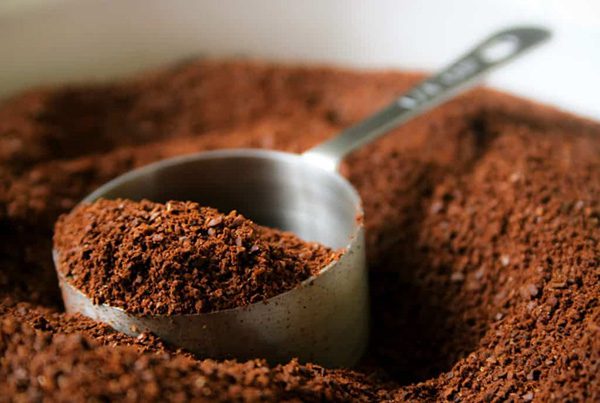
Blended coffee products from Vietnam typically combine Robusta and Arabica beans to create balanced flavours. Additionally, blends may include various additives like milk, sugar, and flavourings. One popular example is the 3-in-1 coffee mix, which contains coffee, sugar, and creamer, offering a convenient, ready-to-drink solution popular in many countries. Blended coffee is especially appealing to markets that prefer milder, sweeter coffee flavours.

What is Vietnam’s capacity for coffee processing and supply?
Vietnam demonstrates impressive capacity in coffee processing and supply, leading the world in coffee productivity for the past decade with averages of 2.6 tons per hectare for Robusta and 1.4 tons per hectare for Arabica. This high productivity, combined with extensive processing facilities and a robust supply chain, ensures a consistent and reliable flow of coffee products to global markets. The country also ranks third globally in sustainable coffee certifications, with expectations to climb higher as initiatives with partners like Nestlé expand.
In the 2023-2024 crop year, the coffee-growing area reached 709,041 hectares. However, drought and pests in key regions reduced output by 20%, bringing total production down to 1.47 million tons.
The five main coffee-producing regions are the Central Highlands, Southeast, South Central, North Central, and Northern Midlands. The Central Highlands, the country’s largest coffee-growing area, accounts for 89% of the total, with around 577,000 hectares. Key provinces include Dak Lak, Lam Dong, Dak Nong, and Gia Lai.
Robusta, which makes up 93% of the area and 96% of the output, is grown mainly in Dak Lak, Lam Dong, Dak Nong, and Gia Lai. Arabica, grown primarily in Lam Dong and Son La in Vietnam’s highlands, represents 7% of the total area. However, its expansion is limited by challenges in transportation and storage in these remote, mountainous regions.
The scale of Coffee Processing Companies in Vietnam
Overview of Coffee Processing Facilities:
- Coffee Beans: 97 facilities with a total designed capacity of 1.5 million tons per year.
- Roasted Coffee: 160 facilities with a total capacity of 51.7 thousand tons per year.
- Instant Coffee: 8 facilities with a total capacity of 36.5 thousand tons per year.
- Blended Coffee: 11 facilities with a total capacity of 139.9 thousand tons per year.
Provinces and Coffee Processing Facilities:
- Central Highlands: Dominates the coffee processing industry, with 420 facilities, making up 67.74% of the total number in Vietnam. The region contributes to 91% of Vietnam’s coffee export market share (2023-2024).
- Key provinces: Dak Lak, Dak Nong, Gia Lai, and Lam Dong, all of which have significant coffee processing and deep processing facilities.
Why should international buyers choose Vietnam for coffee sourcing?
International buyers should consider sourcing coffee from Vietnam due to several compelling advantages, including competitive pricing, stable supply, diverse quality, and a growing commitment to sustainability. Vietnam’s high productivity and cost-effective production methods allow it to offer relatively lower prices compared to other major coffee-producing nations, providing a significant financial benefit for importers seeking quality at reasonable costs.
2. Stable Supply: Due to its large coffee-growing areas and efficient production processes, Vietnam ensures a stable supply of coffee, meeting the demands of importers worldwide.
3. Diverse Quality: In addition to its dominant Robusta coffee, Vietnam also produces Arabica and high-quality speciality coffee, catering to different market segments, from mainstream to premium.
4. Sustainability Potential: Vietnam is increasingly promoting sustainable coffee production practices, complying with international standards such as UTZ, Rainforest Alliance, and Organic certifications. This attracts international companies that prioritise environmentally friendly and socially responsible products.
Sourcing coffee from Vietnam offers advantages in terms of price, quality, and supply stability, while also supporting the growing demand for sustainable coffee products in the global market.
At VnCommEx, our mission is to support international businesses in sourcing high-quality coffee from Vietnam. We provide professional coffee-sourcing services that help you save costs and streamline the import process, ensuring you receive top-notch coffee at the best prices. We apply proven management models such as PDCA (Plan-Do-Check-Act) and SWOT analysis to ensure that every step of the sourcing process is effective and that the coffee you receive meets the highest quality standards.
Read more: Vietnam’s Coffee Industry: A Global Coffee Export Powerhouse


