VnCommEx
Hợp tác xuất khẩu SUBSCRIBE
VnCommEx
Hợp tác xuất khẩu SUBSCRIBE
  • VCE
  • Product Catalogue
  • Market Insight
    • Wood & Furniture
    • Garment & Footwear
    • Food & Spicy Industry
    • Fruit & Vegetable
    • Others
    • Market Insights
  • Vietnam Market
    • Vietnam Commodity Market Price
    • Vietnam Export Data
    • Vietnam in FTA
  • Publication
  • About Us
  • English
    • 中文 (中国)
    • Tiếng Việt
VnCommEx
VnCommEx
  • VCE
  • Product Catalogue
  • Market Insight
    • Wood & Furniture
    • Garment & Footwear
    • Food & Spicy Industry
    • Fruit & Vegetable
    • Others
    • Market Insights
  • Vietnam Market
    • Vietnam Commodity Market Price
    • Vietnam Export Data
    • Vietnam in FTA
  • Publication
  • About Us
  • English
    • 中文 (中国)
    • Tiếng Việt
All Right Reserved. Designed and Developed by PenciDesign
Wood & Furniture

Top Wood Suppliers in Vietnam by Region: Comprehensive Reviews

by Henry Truong August 25, 2024
written by Henry Truong

As of January 2024, Vietnam has approximately 6,000 wood manufacturing and processing enterprises, including over 5,000 private enterprises, 250 state-owned enterprises, and more than 660 foreign-invested enterprises (FDI). A growth rate of over 500% compared to the 2006 period. Furthermore, Vietnam boasts over 340 wood craft villages and more than 1,000 bamboo and rattan craft villages dispersed throughout the country. These craft villages have been maintained and passed down through many generations, with 22% of the craft villages being over 100 years old and 30% of the craft villages being established between 30 and 100 years ago. The combination of skilled labor, traditional craftsmanship, and modern technology has positioned Vietnamese furniture as the top choice in the global market.

With a stable growth rate of 4.6% per year and 70% of processed wood materials grown directly, Vietnam has gradually become a dominant force in the global market, increasing its market share in major countries such as the United States, Japan, and China. The following is a review of the list of reputable suppliers of wood products for export in Vietnam. 

In this article, VnCommEx will list the leading wood exporters in Vietnam at the present time.

SOUTHERN REGION OF VIETNAM

What makes Asia Import Export a top wood supplier in Southern Vietnam?

Asia Import Export, established in 2009, stands out as a leading wood supplier in Southern Vietnam due to its extensive experience in wood export and deep understanding of international market trends. Strategically located in Ho Chi Minh City, a major economic hub, the company benefits from excellent logistics and easy access to international seaports and airports, facilitating efficient global trade.

Main Export Products:

  • Raw Wood: Supplying both raw and processed wood from hardwood and softwood.
  • Wooden Furniture: Offering a range of products including tables, chairs, cabinets, beds, and other interior furnishings.

Export Certifications:

  • ISO 9001: Quality management system certification.
  • FSC (Forest Stewardship Council): Certification for sustainable forest management.

Company strengths

  • High Product Quality: Commitment to providing wood products that meet international standards.
  • Prestigious Certifications: International certifications bolster the company’s reputation and reliability.
  • International Customer Base: A broad global network of customers across Asia, Europe, and the Americas, ensuring stability and revenue growth.
  • Sustainability Policy: Dedicated to sustainable forest management and the use of legal wood raw materials, contributing to environmental protection and sustainable development.

Why choose Thuan An Wood Processing for furniture and wood materials?

Why choose Thuan An Wood Processing for furniture and wood materials?, established on December 24, 2001, is a pioneer in the wood processing industry in Vietnam. The company is headquartered in Thuan An town, Binh Duong province, with a branch in Binh Phuoc. It owns a large total factory area, equipped with modern infrastructure. The geographical advantage in Binh Duong optimizes transportation costs and logistics processes, while the facility in Binh Phuoc, near rubber plantations, ensures an abundant source of raw materials to meet the growing market demand.

Main Export Products:

  • Interior and Exterior Wooden Furniture: High-quality interior products (tables, chairs, cabinets, beds) and outdoor furniture made from rubber and acacia wood.
  • Wood Materials: Includes dried rubber wood billets and laminated boards.

Export-Related Certificates:

  • ISO 9001:2015: Quality management system certification, ensuring products meet international quality standards.
  • FSC (Forest Stewardship Council): Certification for sustainable forest management, highlighting the company’s commitment to environmental protection and the use of legal wood raw materials.

Company Strengths:

  • Modern Production Process: Utilizes advanced wood processing lines imported from Italy, Japan, and Taiwan, ensuring the production of high-quality wooden products that meet international standards.
  • Professional Human Resources: Employs over 750 skilled employees, creating a professional and dynamic workforce.
  • International Standards: Applies standard systems like FSC and ISO 9001:2015, and improvement projects such as “Lean Production” and Japan’s 5S program, enhancing production efficiency and management.
  • Stable Raw Materials: Uses domestically grown rubber wood and melaleuca, minimizing import risks and better controlling production costs.

Large Customer and Market Network: Maintains long-term partnerships with international customers in demanding markets like the US, Europe, and Australia. These trusted relationships help ensure stable product output and market expansion.

What types of wood products does Duc Thanh Wood Processing export?

What types of wood products does Duc Thanh Wood Processing export? (GDT) was established on May 19, 1991, initially as a family business founded by Mr. Le Ba. In 2000, the company underwent a transformation into a joint-stock company with an initial charter capital of VND 5.05 billion. Its long history and rich heritage have enabled the company to amass invaluable experience and establish a robust reputation in the market. The company’s resilience in overcoming numerous challenges and its capacity to develop steadily through different stages is a testament to its effective management and operational capabilities.
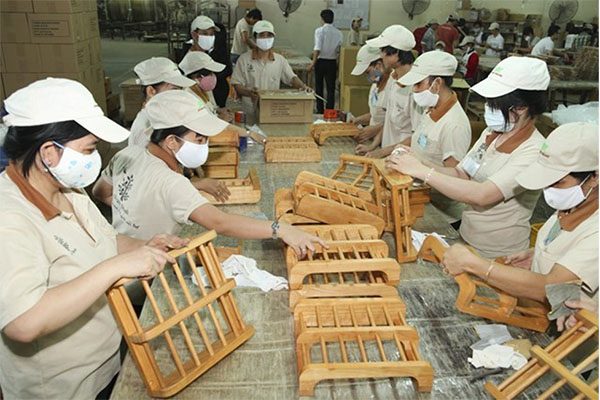
Factories and Manufacturing Facilities:

  • Factory 1: Go Vap, Ho Chi Minh City, area of 7,800 m².
  • Factory 2: Tan Uyen Town, Binh Duong, area of 38,000 m².
  • Factory 3: Khanh Binh, Tan Uyen, area of 14,000 m².
  • Factory 4: Dong Nai, area of 11,000 m².

Capabilities: Advanced production lines increase productivity and ensure product quality.

Main Export Products:

  • Kitchen Utensils: Wooden cutting boards, trays, spice racks.
  • Household Appliances: Wooden tables, chairs, cabinets, coat hangers.
  • Children’s Toys: Wooden toys under the Winwintoys brand.
  • Furniture Products: Tables, chairs, bookshelves, cabinets.

Export-Related Certificates:

  • ISO 9001:2015: Quality management certification ensuring high product standards.
  • CE Mark: Product safety certification meeting European standards.
  • CR Mark: Certification according to Vietnamese standards.
  • BSCI: Certification for social responsibility in business.
  • CTPAT: Supply Chain Security Certification.

Prestigious Awards and Certifications:

  • Typical Ho Chi Minh City Business: Recognized for its excellence.
  • Prestigious Export Enterprise: Awarded by the Ministry of Industry and Trade for consecutive years.
  • IR Award 2019: Top 3 listed enterprises with investor relations activities.
  • Typical Products: Recognized for children’s toys made from Winwintoys planted forest wood.

Company Strengths:

  • Professional Staff: Over 1,000 highly skilled employees with extensive experience in wood processing, ensuring effective production and high product quality.
  • Modern Facilities: Equipped with advanced machinery from Japan and Europe, enabling the production of high-quality wood products that meet complex technical requirements.
  • Large Market Reach: Products exported to over 50 countries, including Japan, the US, the UK, and Germany, and available in major supermarkets and shopping centres in Vietnam.
  • Strong Financials: Stable revenue and profits enable investment in expanding production, upgrading equipment and technology, and implementing long-term development strategies.

Where can I find outdoor wooden furniture from Thinh Phu Import Export?

Where can I find outdoor wooden furniture from Thinh Phu Import Export? was established in 2014. The company specializes in the manufacturing and exportation of outdoor wooden products. The company is relatively new to the industry, in comparison to its long-standing competitors. However, in a relatively short time, the company has grown significantly and established a strong position in the outdoor wooden furniture export market. The company’s headquarters are located in Quy Nhon, a coastal city with a large seaport, which provides convenient access for exporting products to international markets. This location enables Thinh Phu to reduce logistics costs and shipping times, thereby gaining a competitive advantage in responding swiftly to orders from international customers.

Main Export Products:

  • Outdoor Furniture: Bistro dining tables, chairs, sun loungers, tea carts, and outdoor decks.
  • Garden Furniture: Made from Eucalyptus, Acacia, and Teak wood sourced from Brazil, Costa Rica, Papua New Guinea, Solomon Islands, Indonesia, Malaysia, and local suppliers.
  • Annual Revenue: Estimated between 1 to 2.5 million USD.
  • Export Markets: Over a dozen countries, including Europe, Japan, Korea, America, Canada, Brazil, and Australia.

Export-Related Certificates:

  • FSC (Forest Stewardship Council): Certification for sustainable forest management, ensuring the use of legally sourced and sustainably harvested wood.
  • COC (Chain of Custody): Certified by SGS, this certificate ensures the products meet international standards of origin and quality.

Company Strengths:

  • Modern Production Technology: Equipped with professional and modern machinery to enhance productivity and product quality.
  • Professional Staff: Experienced technicians and workers capable of meeting all design and production requirements for wooden products. The ability to customize products to customer specifications helps meet diverse market needs and create unique, competitive products.
  • Large Market Reach: Products are exported to numerous international markets, facilitating business development and expansion.
  • Strict Quality Policy: The quality management system certified by SGS and the COC system ensures products consistently meet high standards and the stringent requirements of international customers.

What are VietWood’s key wood products and certifications?

VietWood Wood Industry Joint Stock Company (VietWood), established in October 2006, has over 15 years of experience and is a leading player in Vietnam’s wood processing industry. Their key products include finger joint laminated boards, construction wood details like kitchen doors and stair handrails, and various furniture items such as tables, chairs, beds, and bookshelves. Located strategically in Binh Duong Province, an area rich in rubber wood resources, VietWood holds ISO 9001:2015 and JAS (Japanese Agricultural Standard) certifications, ensuring high-quality products that meet international standards.

Main Export Products:

  • Finger Joint Laminated Boards: Widely used in construction and furniture production
  • Construction Wood Details: Including products such as kitchen doors, stair handrails, and interior decoration details
  • Furniture Products: Tables, chairs, beds, bookshelves, and various wooden furniture

Export-Related Certificates:

  • ISO 9001:2015: Quality management system certification
  • JAS (Japanese Agricultural Standard): Certification for meeting Japanese quality standards for wood products

Company Strengths:

  • Modern Production Technology: Modern equipment systems enhance productivity and product quality, allowing for precise and finely finished products.
  • Product Variety: Besides joinery boards and construction wood details, the company produces high-quality furniture such as tables, chairs, beds, and bookshelves, catering to various market segments.
  • Professional Staff: Skilled technicians and workers ensure efficient production processes and quality management.
  • Quality and Environmental Protection Policy: Utilizes rubber wood from sustainable plantations, demonstrating a commitment to environmental protection and sustainable development.

NORTHERN REGION OF VIETNAM

Why is Son Tay Forest Products a reliable wood supplier in Northern Vietnam?

The Son Tay Forestry Joint Stock Company, previously known as the Son Tay Wood Processing Enterprise, has been operational since 1962. This provides the company with nearly 60 years of experience in the wood processing industry, enabling a deep understanding of production processes and market needs. The company’s decades-long experience allows it to offer high-quality products and meet the rigorous standards of its customers.

The company is strategically located in Son Tay Town, Hanoi, in close proximity to major transportation routes and just 42 km from the city center. Its proximity to Son Tay Port (only 500 m away) offers convenient and cost-effective logistics, making it an ideal base for exporting products to international markets.

Main Export Products:

  • Joinery: Products made from rubber wood and glue, used in furniture and construction.
  • Rubber Bar: Made from rubber wood, suitable for various applications.
  • Wooden Furniture: Includes tables, chairs, cabinets, beds, bookshelves, and other furniture products.

Export-Related Certificates:

  • ISO 9001: Quality management certificate ensuring products meet international standards.
  • FSC (Forest Stewardship Council): Certificate for sustainable forest management, ensuring wood raw materials are harvested legally and sustainably.

Company Strengths:

  • Location Advantage: Located in an area with abundant forest products from Northern mountainous provinces and planted wood areas such as Phu Tho, Vinh Phuc, Yen Bai, Lao Cai, Tuyen Quang, Son La, Lai Chau, Hoa Binh, Thanh Hoa, and other regions. This ensures a stable supply of raw materials, minimizing risks and costs associated with importing raw materials.
  • Strict Quality Management Process: Application of ISO 9001 and FSC standards ensures high product quality that meets international market requirements.
  • Modern Equipment: Use of advanced technology and modern equipment in production enhances quality and efficiency, allowing the company to handle large and complex orders.
  • Diverse and High-Quality Products: Produces a wide range of wood products, including laminated boards, laminated rubber, and wooden furniture. Strict quality control ensures products meet high global standards, catering to large corporations from Taiwan, Korea, Australia, and other countries.

What makes Vinafor a leading forestry and wood processing company?

Vinafor, established in 1995 through the merger of 10 forestry corporations, is a market-leading enterprise in Vietnam’s forestry and wood processing industry due to its extensive experience, solid reputation, and comprehensive network. With over 20 years in the industry, Vinafor has built a strong brand by understanding market needs and providing high-quality products. Headquartered in Hanoi with branches in Ho Chi Minh City and other key locations, its network spans 24 provinces and cities, optimizing logistics and ensuring a stable supply of raw materials.

Main Export Products:

  • Wooden Furniture: Tables, chairs, cabinets, beds, and other interior products made from natural and industrial wood.
  • Plywood and Artificial Boards: MDF board, particle board, joinery board, artificial fiber board.
  • Raw Wood: Imported wood from Africa, America, and Europe, including ironwood, rosewood, and redwood.
  • Forestry Products: Planting, caring for, managing, and exploiting forests.

Export-Related Certificates:

  • ISO 9001:2015: Quality management system certification.
  • FSC (Forest Stewardship Council): Certification for sustainable forest management, ensuring legal and sustainably harvested wood.

Vinafor’s Strengths:

  • Large Network and Scale of Operations: Spanning 24 provinces and cities, Vinafor excels in planting, caring for, managing, and exploiting forests, ensuring a stable supply of raw materials and minimizing production risks.
  • Prestige and Strong Brand: Vinafor is a well-known brand in the forestry and wood processing industry, recognized with numerous awards such as First, Second, and Third Class Labor Medals and Emulation Flags from the Government of Vietnam.
  • Diverse Products and Services: Besides wood products, Vinafor offers office rental and hotel business services, optimizing resources and increasing income from various fields.
  • Sustainable Management Policy: Uses raw materials from sustainably planted forests and adheres to international quality management and environmental protection standards, enhancing reputation and competitiveness.

What are the strengths of Quang Ninh Forest Products Processing Company?

Quang Ninh Forest Products Processing Joint Stock Company (QLS), established on April 11, 2005, boasts over 15 years of experience, building a solid foundation and sustainable development in the wood industry. Its key strengths include a strategic location in Uong Bi city, Quang Ninh province, near seaports and major traffic routes, which optimizes transportation and logistics costs for easy access to international markets. The company also holds ISO 9001:2015 and FSC certifications, demonstrating its commitment to quality and sustainable forest management.

Export-Related Certificates:

  • ISO 9001:2015: International quality management system certification ensuring the highest quality standards.
  • FSC (Forest Stewardship Council): Certification for sustainable forest management, confirming that the wood used comes from sustainable and legal sources.

Company Strengths:

  • Modern Infrastructure and Technology: Heavy investment in infrastructure and advanced production technology improves productivity and product quality. Modern oven systems and automated production processes are key to maintaining stable product quality.
  • Professional Staff: A team of experienced and highly specialized staff ensures effective production and quality management processes.
  • Commitment to Environmental Protection: Uses wood from sustainable plantation forests, demonstrating a commitment to environmental protection and sustainable development. This meets increasing environmental requirements from international markets.
  • Diverse and Customizable Products: Offers a wide variety of wood products, including kiln-dried lumber, furniture, plywood, panel boards, and construction wood products. The ability to produce customized products on demand increases flexibility and adaptability to market changes.

Where can I find eco-friendly disposable wooden products from Ke Go Company?

Where can I find eco-friendly disposable wooden products from Ke Go Company? was established in 2011 and has grown strongly in the field of manufacturing and exporting wooden products over the past decade. The company’s factory is located in Thanh Binh Industrial Park, Cho Moi District, Bac Kan Province, and has an area of over 7,500 m² with a monthly capacity of 24 million products. The use of advanced production technology and strict quality management processes ensures that products meet international standards.

Main Export Products:

  • Specialization: Manufacturing and exporting environmentally friendly wooden disposable products, including: Wooden knife, Wooden spoon, Wooden fork
  • Export Markets: Products are exported to demanding markets such as the US, Canada, Germany, France, New Zealand, Japan, and many other countries.

Export-Related Certificates:

  • ISO 22000: Certificate of food safety management system, ensuring safe products for consumers.
  • HACCP: Hazard Analysis and Critical Control Point certificate, ensuring products are not harmful to health.
  • FDA: Certification by the US Food and Drug Administration for food safety.
  • LFGB: German food safety certification.
  • Declaration of Compliance: Certification of compliance with food safety regulations of the European Union.

Company Strengths:

  • Environmental Protection Commitments: Uses raw materials from regenerated forests, contributing to environmental protection and minimizing plastic waste pollution. Ke Go products are biodegradable, environmentally friendly, and safe for users.
  • Professional Staff: A team of well-trained and experienced staff ensures efficient production processes and high-quality products. Employs mainly ethnic people from the high mountains of Bac Kan, equipping them with knowledge about food hygiene and safety.
  • Modern Production Technology: Modern machinery and equipment enhance productivity and product quality. Advanced technology ensures products meet strict international standards required by markets like the US, Canada, Germany, France, Japan, and more..

Conclusion

Vietnam’s wood processing industry has experienced significant growth in recent years, with thousands of enterprises and craft villages now operating across the country. These businesses have successfully combined traditional skills with modern technology, establishing a strong presence in the global market. Reputable enterprises such as Asia, Thuan An, Duc Thanh, and many others have secured their position in the international market through high-quality products and a commitment to sustainable development. With a stable growth rate and a market expansion strategy, Vietnam is gradually increasing its market share in major countries, contributing to making the wood industry one of the country’s key industries.

This is an excellent opportunity for foreign enterprises to learn about and import wood and wood products from Vietnam. The country offers a stable supply, high-quality products, and competitive prices, creating ideal business cooperation opportunities.

Understand more about the Vietnam’s Timber industry:

  • Vietnam’s Timber Industry 2024: Overview, opportunities, risks and challenges
  • Exploring Vietnam’s Export Wood Market Trends in 2024-2025
  • From Craft to International Brand: Vietnamese Bamboo and Rattan Weaving Journey
  • Detailed Guide to Importing Wood Products from Vietnam
August 25, 2024 0 comment
0 FacebookTwitterLinkedinWhatsapp
Wood & Furniture

Detailed Guide to Importing Wood Products from Vietnam

by Henry Truong August 24, 2024
written by Henry Truong

Wooden furniture is a cornerstone of Vietnam’s export economy, comprising nearly 40% of the total value of wood and wood product exports. Since 2020, Vietnamese wooden furniture has consistently ranked among the fastest-growing in the world, with an annual growth rate of 25% to 30%, particularly in living room and kitchen furniture. This surge has elevated Vietnam from the 14th to the 6th largest furniture exporter globally within 10 years, trailing only China, the US, Italy, Germany, and India.

Vietnam has all the factors and strengths to become a leading wood exporting country in the world such as abundant natural resources, low and increasingly improving labour costs, convenient geographical location for transporting goods, etc. However, to import furniture products from Vietnam reasonably and without risks, a detailed plan for the import process is needed.

With the positive market outlook, importing furniture from Vietnam can be highly profitable, provided there is a detailed import plan. Below are key steps to guide you through the process, ensuring profitability while minimizing risks.

Step 1. Budget Planning for Wood Products Import Projects

To control costs and ensure the profitability of your wood import project, effective budget planning is crucial. This involves several detailed steps, including determining your overall budget target, allocating funds by category, researching and forecasting prices, budgeting for potential risks, calculating profits and ROI, and continuously monitoring and adjusting your budget.

  1. Determine the Overall Budget Target
  2. Allocate the Budget by Category
  3. Research and Forecast Prices
  4. Budget for Risks
  5. Calculate Profits and ROI (Return on Investment)
  6. Monitor and Adjust the Budget

To help you plan your budget most accurately, VNCommEx has written a detailed article about this activity: Guide to planning a budget for importing Wood from Vietnam

What types of wood can I import from Vietnam?

Vietnam offers a diverse range of high-quality wood types suitable for various applications, sourced primarily from two main groups. Approximately 80% of the total raw wood in Vietnam comes from 4,655,993 hectares of planted forests, while the remaining 20% is supplied through partnership contracts with countries like Africa and Laos. When selecting wood, it’s essential to conduct thorough research to match the unique characteristics of each wood type with your specific purpose or business needs.

How do I find reliable wood product suppliers in Vietnam?

Finding reliable wood product suppliers in Vietnam involves navigating a landscape of approximately 6,000 wood manufacturing and processing enterprises, as of January 2024. These suppliers are generally categorized into two main groups: direct export companies and non-direct export companies, each offering distinct advantages for importers.

  • Direct Export Group (20%): Large-scale enterprises, primarily foreign direct investment (FDI) companies, which directly export products.
  • Non-Direct Export Group (80%): Enterprises that reprocess wood for export companies or produce for domestic consumption. These suppliers can offer competitive pricing and are worth considering for importing enterprises aiming to manage costs effectively.

Vietnam also boasts a rich tradition in fine art wooden products, with 340 craft villages, many of which have been established for over a century. Additionally, over 1,000 craft villages specialize in bamboo and rattan products, which contribute to the diversity of Vietnam’s wood-related exports.

Therefore, in this step of searching and selecting suppliers, to ensure you choose the right partner to ensure the correct progress and budget.

What should I know about contract negotiation for importing wood from Vietnam?

Successful importation of wood from Vietnam hinges on effective negotiation and contract signing. This crucial stage requires a comprehensive understanding of preparation, the negotiation process itself, and meticulous contract drafting to ensure all terms are clear and legally sound.

41. Preparation Before Negotiating

Gather information on the supplier’s reputation, production capacity, experience, and financial status. This will help you gain leverage during negotiations.

Certifications to Consider:

  • Export License: Ensure the supplier has an export license issued by the Vietnamese government, confirming that the wood is legally sourced and complies with local regulations.
  • Certification of Wood Origin: Verify that the wood has a certificate proving its legal origin, confirming it was not harvested illegally and adheres to forest protection laws.
  • FSC (Forest Stewardship Council) Certification: FSC certification is increasingly important in international markets as it verifies sustainable forest management practices.

  • Intellectual Property Rights: For furniture, ensure that designs, trademarks, and other intellectual properties are legally protected and comply with both Vietnamese and international laws.

Additional Regulations and Considerations:

  • Establish Quality Standards: Set clear quality standards and testing procedures to ensure products meet international requirements. Consider using independent inspection agencies.
  • Understand Tax Rates: Be aware of Vietnam’s varying export tax rates for different wood types, particularly for rare woods like rosewood and huong wood, which may have higher taxes or export restrictions.
  • International Payments: Comply with Vietnam’s regulations on the use of foreign currencies in international transactions, including accepted payment methods like L/C (Letter of Credit) and T/T (Telegraphic Transfer).

4.2. Negotiation Process

Price Discussion: This is the most critical aspect of the negotiation. Aim to secure the best price while ensuring quality. Consider factors like order volume, delivery time, and payment terms to justify a lower price.

Cultural Considerations: Understanding Vietnamese business culture can aid in negotiation:

  • Northern Vietnam: Business is often relationship-based, cautious, and detailed, influenced by Chinese business practices.
  • Southern Vietnam: Business is more fast-paced and profit-oriented, reflecting American influences from the 20th century.

Other Key Negotiation Points:

  • Delivery Terms: Negotiate delivery terms that suit your requirements, such as FOB (Free On Board) or CIF (Cost, Insurance, and Freight). These terms impact the overall cost and risk during transportation.
  • Payment Terms: Agree on secure payment methods like L/C, T/T, or payment upon delivery. Ensure the terms protect the interests of both parties.
  • Quality and Inspection: Insist on a commitment to deliver products matching the inspected samples. You may also request a third-party inspection before shipment.
  • Responsibilities in Case of Issues: Clearly outline the responsibilities of each party in the event of late delivery, subpar quality, or insufficient quantity.

4.3. Drafting the Contract

When drafting a contract for exporting wood from Vietnam, consider these specific elements to ensure compliance with Vietnamese law and international standards:

  1. Terms on Origin and Certification of Wood: Specify the required certifications and legal origin of the wood.
  2. Terms on Quality and Inspection: Detail the agreed-upon quality standards and inspection processes.
  3. Terms on Delivery and Transportation: Clearly define the delivery schedule, shipping terms, and responsibilities during transit.
  4. Terms on Payment and Payment Terms: Outline the payment schedule, methods, and any contingencies.
  5. Terms on Risk and Insurance: Assign risk responsibilities and specify insurance requirements.
  6. Terms on Dispute Resolution: Include mechanisms for resolving disputes, such as arbitration or jurisdictional clauses.
  7. Terms on Environment and Sustainability: Ensure compliance with environmental regulations and sustainability practices, particularly regarding FSC certification.

4.4. Signing the Contract

  • Review the Final Contract: Before signing, thoroughly review all terms. If necessary, consult a lawyer to ensure that your rights are fully protected.
  • Signing the Contract: Once both parties agree on the terms, officially sign the contract. Each party should retain an original copy as a legal reference.

How can I ensure quality control when importing wood products from Vietnam?

To ensure the successful import of wood products from Vietnam, it is critical to properly implement contract terms through robust quality control and monitoring. This involves creating a detailed monitoring plan, establishing clear quality standards, diligently checking production progress and delivery, conducting thorough product quality checks, and effectively managing any problems that arise.

5.1. Create a Monitoring Plan

  • Identify Key Milestones: Establish key milestones in the contract, such as delivery schedules, payment deadlines, and points for quality inspections. This timeline will help in tracking the contract’s progress effectively.
  • Determine Responsibilities: Assign specific responsibilities to team members for each aspect of the contract, including supplier communication, quality inspections, and issue resolution. Clear delegation helps in maintaining accountability.

5.2. Establish Clear Quality Standards

  • Technical Standards: Define the technical specifications that the wood products must meet. This includes dimensions, moisture content, wood grain, colour, and other critical physical characteristics.
  • Inspection Standards: Ensure that the contract specifies that products must be inspected according to recognized standards, such as ISO, FSC (Forest Stewardship Council), or relevant national standards.

5.3. Check Production Progress and Delivery

  • Inspecting Raw Materials: Before production starts, inspect the raw wood materials to confirm they meet the agreed-upon quality standards. This includes checking moisture levels, wood hardness, and the presence of any pests.
  • Monitoring the Production Process: Ensure that the production follows the agreed-upon procedures and standards. This can involve on-site inspections during production or requesting regular progress reports from the supplier.
  • Random Sampling Inspections: Conduct random inspections of finished products before they are shipped. This step helps in detecting any defects that may have occurred during production.
  • Tracking the Transportation Process: Monitor the shipment of goods from the manufacturing site to the delivery destination. Utilize shipment tracking services to stay updated on the status and location of the goods during transit.

5.4. Check Product Quality

  • Hire an Independent Inspection Company: Engage independent inspection firms to carry out quality checks before the goods are shipped. These companies can provide unbiased, detailed reports on product quality, ensuring accuracy and objectivity.
  • Request Inspection Reports: Before the goods are shipped, make sure that you receive and review complete and accurate inspection reports. This step helps in verifying that the products meet the specified quality standards.

5.5. Manage and Handle Arising Problems

  • Resolve Problems Immediately: If issues arise during production or contract execution—such as shortages of raw materials, substandard products, or delays—contact the supplier immediately to address the problems. Prompt action can mitigate risks and prevent more significant losses.
  • Record All Issues and Resolutions: Document all problems and the steps taken to resolve them. This record is vital for handling disputes and can provide valuable insights for improving future contracts.

Quality control is a vital component of contract monitoring in the wood import process. By establishing clear standards, monitoring production, and addressing issues promptly, you can ensure that the terms of the contract are fulfilled and that the quality of the products meets expectations. This proactive approach helps minimize risks and ensures a successful import transaction.

What documents are needed to export wood products from Vietnam?

To ensure compliance with both Vietnamese regulations and international standards when exporting wood products from Vietnam, it is essential to prepare a specific set of documents. This includes, but is not limited to, commercial invoices, packing lists, bills of lading, certificates of origin, phytosanitary certificates, and customs declarations.

  1. Commercial Invoice
  2. Packing List
  3. Bill of Lading
  4. Certificate of Origin
  5. Phytosanitary Certificate
  6. Export License
  7. FSC (Forest Stewardship Council) Certification
  8. Insurance Certificate
  9. Customs Declaration
  10. Payment Documents

What’s the best way to ship wood products from Vietnam?

For importing wood and wood-related products from Vietnam, sea transport is generally the most cost-effective and time-efficient shipping method. Vietnam offers several major seaports for this purpose, including Saigon Port, Cat Lai Port, Hai Phong Port, Da Nang Port, Cai Mep – Thi Vai Port, Quy Nhon Port, and Van Phong Port.

However, you should use a contract in which the supplier in Vietnam will carry out the transportation for you to ensure safety and convenience for import activities.

Transit times from Ho Chi Minh City ports to different countries may vary depending on shipping method, weather, and other factors. However, here are estimated transit times for major sea routes:

To the United States:
  • West Coast (Los Angeles, Long Beach): 18 – 25 days.
  • East Coast (New York, Savannah): 28 – 35 days.
To China:
  • Shanghai: 5 – 7 days.
  • Guangzhou: 3 – 5 days.
To South Korea:

Busan: 7 – 9 days.

To Japan:
  • Tokyo: 10 – 12 days.
  • Osaka: 9 – 11 days.
To the Netherlands:

Rotterdam: 30 – 35 days.

How long does it take to import wood products from Vietnam?

The total time required to import wood products from Vietnam, from initial contract negotiation to final export, can vary significantly. This duration is influenced by several factors, including the speed of negotiations, the complexity of the wood products, factory production schedules, and prevailing transportation conditions. For example, the entire process can range from 7-9 weeks for destinations like China to 10-13 weeks for the Netherlands.

  • Contract Negotiation: 1-3 weeks
  • Production and Quality Control: 4-8 weeks
  • Customs Clearance: 1-2 weeks
  • International Shipping:
    • US (West Coast): 18-25 days
    • US (East Coast): 28-35 days
    • China (Shanghai): 5-7 days
    • Korea (Busan): 7-9 days
    • Japan (Tokyo): 10-12 days
    • Netherlands (Rotterdam): 30-35 days

Estimated Total Timeframes:

  • US: 9-12 weeks
  • China: 7-9 weeks
  • Korea: 8-10 weeks
  • Japan: 8-10 weeks
  • Netherlands: 10-13 weeks

Exporting and transporting wood from Vietnam is a complex process that requires meticulous planning and strict adherence to legal regulations. To ensure that the production aligns with your business plan, it is advisable to start planning 2-3 months to mitigate risks. Engaging a sourcing company can streamline the process, ensuring that the goods are of the highest quality and that production remains on schedule.

For more personalized assistance and to expedite the process, feel free to contact us for a comprehensive and complimentary consultation on managing the entire export process.

August 24, 2024 0 comment
0 FacebookTwitterLinkedinWhatsapp
Wood & Furniture

Guide to planning a budget for importing Wood from Vietnam

by Henry Truong August 23, 2024
written by Henry Truong

Setting an overall budget for importing wood from Vietnam is the foundational step to ensure both cost control and profitability. This initial phase involves clearly defining your import objectives and estimating the total expected costs. A well-defined budget plan will guide you through every subsequent step, from setting import goals and estimating associated costs, to calculating profit and Return on Investment (ROI).

How do I set an overall budget for importing wood from Vietnam?

  • Import Target: Define the specific objectives of your import project, such as the quantity and type of wood to be imported, as well as its intended use (e.g., for manufacturing furniture, construction, etc.). If you’re unsure about how to choose the right type of wood for your needs, you can refer to “How to Choose the Right Type of Wood for Your Needs.”
  • Estimated Total Cost: Based on your import target, estimate the total expected cost, including purchasing, shipping, taxes, and any incidental costs. To select the right wood supplier, you can consult the “Guidelines for Selecting Wood Product Suppliers.“

How should I allocate my budget for importing wood?

To effectively manage your wood import project, it’s crucial to strategically allocate your budget across key categories. This ensures that all major expenses, from the initial purchase to final delivery and unforeseen costs, are accounted for. Typically, the budget is divided into purchasing, shipping and logistics, taxes and customs, and other incidental expenses, each with a recommended percentage range to guide your financial planning.

How can I research and forecast wood and shipping prices?

Accurate research and forecasting of both wood and shipping prices are vital for a successful import budget. This involves thoroughly investigating market trends to secure favorable terms with suppliers and analyzing various factors that influence transportation costs. By staying informed, you can make more precise financial projections and mitigate potential cost overruns.

Why do I need a contingency fund for importing wood?

A contingency fund is an essential component of any import budget, serving as a financial safety net for unforeseen risks. Importing wood can involve various unpredictable challenges, such as shipping delays, unexpected price hikes, or additional inspection requirements. Allocating a portion of your budget, typically 5-10%, to this fund helps you navigate these potential issues without derailing your project’s financial stability.

How do I calculate profit and ROI for my wood import project?

Calculating projected profits and Return on Investment (ROI) is a critical step in evaluating the viability and success of your wood import project. This involves a clear understanding of your total costs and an accurate estimation of potential revenue. By systematically determining these figures, you can assess the financial effectiveness of your import plan and make informed decisions.

How can I monitor and adjust my wood import budget effectively?

Effective monitoring and timely adjustments are crucial for keeping your wood import budget on track and ensuring financial targets are met. This involves continuously tracking actual expenses against your planned budget throughout the import process. Should any discrepancies arise between planned and actual spending, prompt adjustments to your strategy are necessary to maintain profitability and avoid exceeding financial limits.

Can you give an example of a wood import budget plan?

To illustrate how these budgeting principles are applied in practice, let’s consider a detailed example of planning a budget for importing living room furniture from Vietnam in 2024. This example will walk through each step, from setting the overall budget target to calculating profit and ROI, providing a clear, structured approach to financial planning for your import project.

  1. How do I set an overall budget for importing wood from Vietnam?
  • Objective: Import a batch of high-end living room furniture from Vietnam, including 10 sets of wooden tables and chairs.
  • Estimated Total Budget: $100,000
  1. Budget Allocation by Category
  • Purchase Cost (60-70%)
    • Raw Material Purchase Price: $3,500 per m³
    • Amount of Wood Required for Production: 15 m³
    • Raw Material Purchase Cost: 15 m³ * $3,500 = $52,500
    • Finished Product Manufacturing Cost: $25,000 (processing and finishing costs)
    • Total Purchase Cost: $77,500
  • Transportation and Logistics Costs (15-20%)
    • Shipping from Vietnam to the US: $1,200 per 20-foot container (FOB)
    • Number of Containers: 2 containers
    • Transportation Cost: $1,200 * 2 = $2,400
    • Cargo Insurance: $1,000
    • Warehousing and Logistics Handling Fee: $2,500
    • Total Transportation and Logistics Cost: $5,900
  • Customs Duties and Fees (10-15%)
    • Import Duties: 5% of the total value of goods ($77,500) = $3,875
    • Customs Fees: $1,500
    • Total Customs Duties and Fees: $5,375
  • Other Incidental Costs (5-10%)
    • Contingency Fund: 5% of total import cost ($100,000) = $5,000
    • Quality Inspection Costs: $1,500
    • Total Incidental Costs: $6,500

3. Why do I need a contingency fund for importing wood?

  • Contingency Fund: $5,000 allocated for unexpected risks, such as increased shipping or storage costs.

4. Calculate Profit and ROI (Return on Investment)

  • Total Import Cost: $94,775
  • Forecast Revenue: $130,000 (sell 10 sets of living room furniture at $13,000 each)
  • Expected Profit: $130,000 – $94,775 = $35,225
  • ROI: ($35,225 / $94,775) * 100% = 37.2%

5. How can I monitor and adjust my wood import budget effectively?

  • Monitor Actual Costs: Continuously track each expense against the planned budget to make timely adjustments.
  • Adjust the Plan: If actual costs exceed the budget, review expenses or adjust the selling price to maintain the desired profit margin.

This example provides a structured approach to planning the budget for importing living room furniture from Vietnam, ensuring a clear understanding of costs, potential risks, and expected profitability.

What are the key takeaways for budgeting wood imports from Vietnam?

In conclusion, creating a meticulous budget plan is paramount for the success of any wood import project from Vietnam. By accurately forecasting costs, diligently monitoring expenditures, and making timely adjustments, businesses can optimize profits and achieve the best possible outcomes. This structured approach ensures financial stability and helps navigate the complexities of international trade.

To learn more about popular wood products exported from Vietnam, you can refer to the “Top 6 Wood Products Most Exported from Vietnam.“

August 23, 2024 0 comment
0 FacebookTwitterLinkedinWhatsapp
Wood & Furniture

Guidelines for selecting wood product suppliers

by Henry Truong August 21, 2024
written by Henry Truong

As of January 2024, Vietnam has approximately 6,000 wood processing and manufacturing enterprises. Among them, the group of direct exporters (accounting for about 20%) consists of large-scale enterprises in the industry, primarily FDI enterprises. The group of non-direct exporting enterprises (accounting for about 80%) includes subcontractors for export companies and those producing for the domestic market. In reality, accessing this group is a reasonable choice to help importing companies obtain a competitive price.

Vietnam has a long history in the handicraft industry, with over 340 craft villages spread across the country. This creates a diversity of quality and products for Vietnam’s wood and wood-related items. Therefore, in this step of searching for and selecting suppliers, it is essential to ensure that you choose the right partner to meet your project’s deadlines and budget. The following steps should be taken:

What are the key criteria for choosing a wood product supplier?

  • Price: Ensure the supplier offers competitive pricing that aligns with your budget.
  • Quality: The supplier must guarantee the wood quality according to required standards, with quality certifications such as FSC (Forest Stewardship Council).
  • Delivery Time: The supplier should commit to on-time delivery to ensure project timelines are met.
  • Ability to Supply Large Quantities: Ensure the supplier can meet large order quantities without compromising quality. For example, if you plan to sell 1,000 products in Q1, but market demand fluctuates, the supplier should be capable of producing between 1,200 – 1,500 products within that timeframe.
  • Reputation and Operational History: Research the supplier’s reputation and experience in the market.

How can I find reliable wood product suppliers in Vietnam?

Finding reliable wood product suppliers in Vietnam can be achieved through several effective channels. You can attend international trade shows specializing in wood and furniture, which provide direct access to potential partners. Alternatively, extensive online research using official industry websites can help identify and contact Vietnamese wood suppliers. Leveraging professional networks, especially through sourcing companies, is also highly recommended. These companies possess deep market knowledge, can identify emerging manufacturers with modern machinery, and assist in finding multiple potential suppliers offering competitive prices and quality products. Once potential suppliers are identified, the next crucial step is to establish contact and negotiate favorable terms. Begin by sending a Request for Quotation (RFQ) to gather detailed information on product prices, payment terms, and delivery times. After receiving multiple quotes, carefully evaluate and compare them to select the supplier offering the best balance of price and value within your budget. During contract negotiations, focus on securing optimal terms for price, quality standards, delivery conditions, and other essential clauses to maximize benefits. For ensuring detailed terms and expediting the contract process, engaging an intermediary company is often advisable.

How do I inspect and evaluate potential wood product suppliers?

Thorough inspection and evaluation are critical before finalizing a partnership with a wood product supplier. Start by requesting product samples to conduct a meticulous quality inspection prior to signing any contract. If feasible, arranging a factory visit is highly recommended to directly assess their production capabilities, observe quality control processes, and gain insight into their operational standards. Additionally, it is imperative to verify all legal documents, including business licenses, quality certifications (such as FSC), and any other relevant permits, to ensure compliance and reliability. The final step in the supplier selection process involves a comprehensive overall evaluation and contract signing. Based on all the information gathered from defining criteria, searching, contacting, negotiating, and inspecting, select the supplier that best aligns with your requirements for price, quality, and reliability. Once the ideal partner is chosen, proceed to sign the official contract, ensuring that all terms and conditions are clearly defined, legally binding, and mutually beneficial for a sustainable partnership.
What certifications do you have related to sustainable forest management (e.g., FSC, PEFC)?

Purpose: Ensure the wood’s legal and sustainable origin.

Can you provide product samples or a current product catalog?

Purpose: Evaluate the quality and variety of products.

How many years of experience do you have in the wood manufacturing and export industry?

Purpose: Assess the supplier’s credibility and experience.

What are your warranty and after-sales service policies?

Purpose: Ensure you receive necessary support after purchasing.

Can you provide information on previous clients and similar projects you’ve completed?

Purpose: Verify credibility and get references from past clients.

Can you supply large quantities? What is the typical delivery time?

Purpose: Ensure the supplier can meet quantity requirements and delivery schedules.

Do you assist with handling import/export procedures?

Purpose: Ensure smooth import/export processes.

What factors determine your product pricing? Can prices be negotiated?

Purpose: Understand pricing structure and negotiation possibilities.

Do your products meet international standards for quality and safety?

Purpose: Ensure the products comply with strict market standards.

Do you offer customization services according to specific requirements?

Purpose: Determine the ability to meet unique needs.

What technical support or solutions do you provide during product use?

Purpose: Ensure necessary technical support is available.

What are your payment terms?

Purpose: Understand financial conditions and flexibility in payment.

Why is a systematic approach important for selecting Vietnamese wood suppliers?

In conclusion, selecting wood suppliers from Vietnam requires careful evaluation of price, quality, and supply capabilities, along with attention to legal factors, quality certifications, and supplier reputation. The search and selection process should follow a clear procedure, from defining criteria, searching, contacting, to evaluating and making the final selection. This ensures that your business not only receives reasonably priced products but also meets stringent quality and delivery requirements, establishing a sustainable partnership with wood industry suppliers in Vietnam.

If you are looking for wood suppliers and related products in Vietnam, here is a series of articles for you:

  • A Guide to Budget Planning for Wood Importing from Vietnam
  • Comparing Wood Quality and Prices in Southeast Asian Countries
  • How to Choose the Right Wood Type for Your Needs
  • Top 7 Wood Types Preferred for Importing from Vietnam
  • Vietnam’s Wood Export Market Trends 2024 – 2025
August 21, 2024 0 comment
0 FacebookTwitterLinkedinWhatsapp
Wood & Furniture

Compare the quality and price of Rosewood from Southeast Asian

by Henry Truong August 17, 2024
written by Henry Truong

In this article, we will delve into the comparison of the quality and price of rosewood from three countries known for their abundant supply: Malaysia, Indonesia, and Vietnam. By examining factors such as color, grain patterns, durability, and the applications of rosewood, this article will provide you with a comprehensive view and help you choose the best option for your needs.

This is the fourth article in a series of in-depth comparisons of the quality and price of popular woods in Southeast Asia. If you are interested in other types of wood such as Acacia, Rubberwood, Teak, or Dalbergia, be sure to check out the other articles in this series to gather more useful information.

  • Compare the quality and price of Acacia wood from Southeast Asian
  • Compare the quality and price of Rubber wood from Southeast Asian
  • Compare the quality and price of Teak wood from Southeast Asian
  • Compare the quality and price of Basswood from Southeast Asian

What are the quality differences of rosewood from Southeast Asian countries?

Malaysia

Malaysian rosewood is known for its good quality, durability, and attractive wood grain. The wood ranges from dark red to black in color and is highly resistant to warping. Malaysian rosewood is stable and offers excellent termite resistance, making it suitable for high-end applications.

Malaysian rosewood is primarily used in the production of high-end furniture, flooring, and decorative wood products. Malaysia exports a small amount of rosewood, mainly in processed forms.

Indonesia

Indonesian rosewood is of good quality, featuring high durability and rich colors ranging from dark red to black, with beautiful wood grain. Indonesian rosewood has strong mechanical properties, high resistance to termites and rot, and is popular in the production of high-end furniture and decorative wood products.

Indonesian rosewood is widely used in high-end furniture, musical instruments, and decorative wood products. Indonesia is a major exporter of rosewood, supplying European, American, and Asian markets due to its high quality and abundant supply.

Vietnam

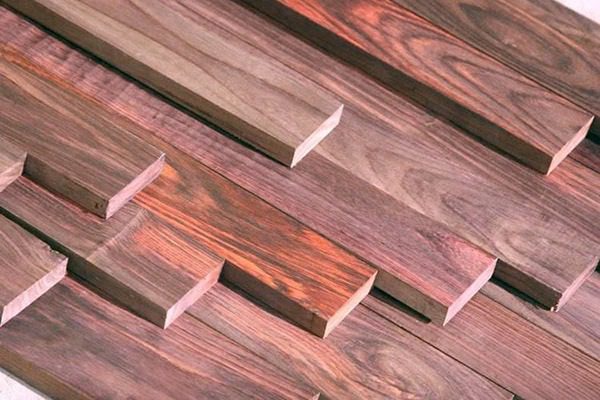
Vietnamese rosewood is highly esteemed for its deep red color, beautiful grain, and distinctive aroma. The wood is very hard, heavy, and durable. Vietnamese rosewood is extremely hard and durable, making it ideal for high-end furniture, handicrafts, and musical instruments.

Vietnamese rosewood is extensively used in high-end furniture, flooring, and decorative wood products. It is also highly sought after in the fine art and musical instrument industries. Vietnam exports a significant amount of rosewood, particularly to markets in China, Japan, and European countries.

How do rosewood prices compare across Southeast Asian countries?

Raw Rosewood Prices

  • Vietnam: $2,500 – $4,000 per cubic meter
  • Indonesia: $2,000 – $3,500 per cubic meter
  • Malaysia: $2,200 – $3,800 per cubic meter

Rosewood Product Prices

Vietnam

  • Living Room Furniture: $5,000 – $15,000 per set
  • Bedroom Furniture: $7,000 – $20,000 per set
  • Kitchen Furniture: $5,000 – $18,000 per set
  • Wooden Chairs: $500 – $1,500 per piece
  • Flooring: $80 – $150 per square meter

Indonesia

  • Living Room Furniture: $6,000 – $16,000 per set
  • Bedroom Furniture: $8,000 – $22,000 per set
  • Kitchen Furniture: $6,000 – $19,000 per set
  • Wooden Chairs: $600 – $1,800 per piece
  • Flooring: $90 – $160 per square meter

Malaysia

  • Living Room Furniture: $5,500 – $15,500 per set
  • Bedroom Furniture: $7,500 – $20,500 per set
  • Kitchen Furniture: $5,500 – $18,500 per set
  • Wooden Chairs: $550 – $1,600 per piece
  • Flooring: $85 – $155 per square meter

Conclusion

When comparing rosewood quality and price across Southeast Asian countries, each origin presents distinct advantages, influencing its market value and suitability for various applications.

Vietnamese rosewood is highly valued for its deep red color, beautiful grain and characteristic aroma. The hardness and termite resistance of Vietnamese rosewood are also strong points, making it the first choice for the production of high-end furniture, fine art and musical instruments. Vietnamese rosewood products are widely exported to major markets such as China, Japan and Europe.

Indonesian rosewood is also characterized by its high quality, rich color and beautiful grain. Indonesian rosewood is widely used in the production of high-end furniture, musical instruments and decorative products. With abundant supply and stable quality, Indonesia has become one of the major rosewood exporters in the world.

Malaysian rosewood is of good quality, with high durability and beautiful grain. Although the production of rosewood is not large, Malaysia still exports a small amount of processed products, mainly high-end furniture and decorative wood products. Malaysian rosewood is highly valued for its stability and resistance to termites. In terms of price, Vietnamese rosewood is the most expensive, reflecting its superior quality and popularity in the international market. Indonesian and Malaysian rosewood are competitively priced, with small differences due to quality and availability. The choice of rosewood from whichever country depends on the consumer’s requirements for quality, price and intended use.

See more articles: Tips for Choosing the Right Wood for Your Demand

August 17, 2024 0 comment
0 FacebookTwitterLinkedinWhatsapp
Wood & Furniture

Compare the quality and price of Basswood from Southeast Asian

by Henry Truong August 17, 2024
written by Henry Truong

This article will provide a detailed comparison of the quality and price of Basswood from three leading Southeast Asian countries: Malaysia, Indonesia, and Vietnam. By comparing factors such as color, durability, and applications, this article will help you better understand the differences between these types of Basswood and make an informed decision.

This is the final article in a series of in-depth comparisons of the quality and price of popular woods in Southeast Asia. If you have been following previous articles on Acacia, Rubberwood, Teak, and Rosewood, this article will complete the overall picture of the premium wood options available in this region. Be sure to read on to gather all the necessary information before making your decision.

  • Compare the quality and price of Acacia wood from Southeast Asian
  • Compare the quality and price of Rubber wood from Southeast Asian
  • Compare the quality and price of Teak wood from Southeast Asian
  • Compare the quality and price of Rosewood from Southeast Asian

How does Basswood quality compare across Southeast Asian countries?

Malaysia

Malaysian Basswood is recognized for its good quality, durability, and appealing grain, making it a strong contender in the Southeast Asian market. Its color typically ranges from yellow to reddish-brown, and it exhibits high stability and resistance to warping and termites, making it suitable for high-end applications.

Malaysian Basswood is primarily used in the production of high-end furniture, flooring, and decorative wood products. Malaysia exports a small quantity of Basswood, mainly in processed forms.

Indonesia

Indonesian Basswood is regarded as one of the highest-quality woods available. It is exceptionally durable, with rich colours ranging from yellow to dark brown, and features beautiful grain patterns. The wood boasts excellent mechanical properties, is highly resistant to termites and rot, and is highly sought after in the production of high-end furniture and decorative products.

Indonesian Basswood is widely utilized in the production of high-end furniture, musical instruments, and decorative wood products. Indonesia is a significant exporter of Basswood, supplying European, American, and Asian markets with its high-quality and abundant supply.

Vietnam

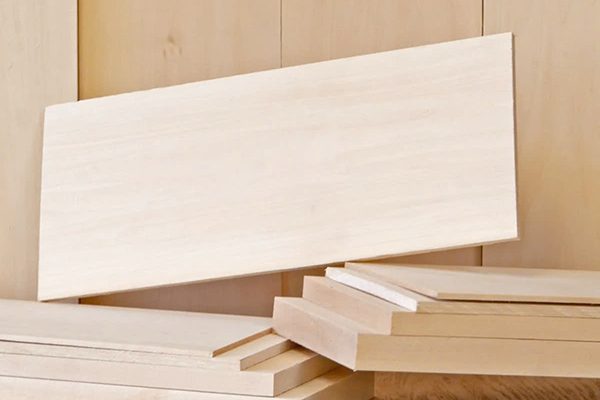
Vietnamese Basswood is of high quality, known for its durability and resistance. The wood exhibits a bright red to reddish-brown color, with beautiful grain and a distinctive aroma. Vietnamese Basswood is very hard, heavy, and durable, making it ideal for producing high-end furniture, handicrafts, and musical instruments.

Vietnamese Basswood is extensively used in the production of high-end furniture, flooring, and decorative wood products. It is also highly valued in the fine art and musical instrument industries.

Vietnam exports a considerable amount of Basswood, particularly to markets in China, Japan, and European countries.

What are the price differences for Basswood in Southeast Asia?

Raw Basswood Prices

  • Vietnam: $1,000 – $1,500 per cubic meter
  • Indonesia: $1,200 – $1,800 per cubic meter
  • Malaysia: $1,100 – $1,600 per cubic meter

Basswood Product Prices

Vietnam

  • Living Room Furniture: $2,000 – $5,000 per set
  • Bedroom Furniture: $3,000 – $6,000 per set
  • Kitchen Furniture: $2,500 – $5,500 per set
  • Wooden Chairs: $200 – $700 per piece
  • Flooring: $40 – $60 per square meter

Indonesia

  • Living Room Furniture: $2,500 – $6,000 per set
  • Bedroom Furniture: $3,500 – $7,000 per set
  • Kitchen Furniture: $3,000 – $6,500 per set
  • Wooden Chairs: $300 – $800 per piece
  • Flooring: $50 – $70 per square meter

Malaysia

  • Living Room Furniture: $2,200 – $5,500 per set
  • Bedroom Furniture: $3,200 – $6,500 per set
  • Kitchen Furniture: $2,700 – $5,800 per set
  • Wooden Chairs: $250 – $750 per piece
  • Flooring: $45 – $65 per square meter

Conclusion

Indonesian Basswood is renowned for its superior quality, rich color, and beautiful grain, making it ideal for high-end products like furniture, musical instruments, and decorative items. As a significant exporter, Indonesia consistently meets international market demand with its ample supply.

Malaysian Basswood is also of good quality, with high durability and beautiful grain, suitable for high-end furniture and decorative products. However, due to limited production, Malaysian Basswood is mainly consumed domestically or exported as processed products.

Vietnamese Basswood is of high quality, with a bright red color and characteristic aroma. The wood is very hard, heavy and durable, suitable for high-end furniture, handicrafts and musical instruments. Vietnam is also one of the major exporters of Basswood, with major markets including China, Japan and Europe.

In terms of price, Indonesian Basswood is usually more expensive due to its superior quality and stable supply. Malaysian and Vietnamese Basswood are relatively competitively priced, reflecting differences in quality and production. The choice of Basswood source depends on each company’s needs in terms of quality, price and target market.

See more articles: Tips for Choosing the Right Wood for Your Demand


August 17, 2024 0 comment
0 FacebookTwitterLinkedinWhatsapp
Wood & Furniture

Compare the quality and price of Teak wood from Southeast Asian

by Henry Truong August 17, 2024
written by Henry Truong

In this article, we will explore and compare the quality and price of teak wood from three prominent Southeast Asian countries: Malaysia, Indonesia, and Vietnam. By analyzing factors such as durability, grain patterns, and water resistance, this article will provide you with a clear understanding of the differences among these teak wood sources, helping you make an informed decision for your projects.

This article is the third in a series that compares the quality and price of various types of wood in Southeast Asia. The series aims to offer readers valuable and comprehensive information about different types of wood, including Acacia, Rubberwood, Rosewood, and Dalbergia. Readers can explore the other articles in this series to gain more insights into the types of wood they are interested in.

  • Compare the quality and price of Acacia wood from Southeast Asian
  • Compare the quality and price of Rubber wood from Southeast Asian
  • Compare the quality and price of Basswood from Southeast Asian
  • Compare the quality and price of Rosewood from Southeast Asian

Which Southeast Asian country has the best quality teak wood?

Malaysia

Malaysian teak is of good quality, known for its durability and attractive wood grain. However, due to the limited planting area, teak wood production is relatively small. The wood ranges from yellow to dark brown, with clear and smooth grain. It is less prone to warping and can withstand harsh environmental conditions.

Malaysian teak is mainly used in the production of furniture, flooring, and other high-end wood products. The limited production scale restricts its export potential. Malaysia exports a small amount of teak, primarily in processed forms.

Indonesia

Indonesian teak is regarded as the best quality teak in the world, known for its exceptional durability, termite resistance, and water resistance. The wood is bright yellow when freshly cut, turning dark brown over time. It features a beautiful and smooth grain, making it highly desirable for furniture production and other high-end applications.

Indonesian teak is widely used in high-end furniture, flooring, shipbuilding, and construction. Indonesia is the world’s largest exporter of teak, with major markets in Europe, the US, and Asia.

Vietnam

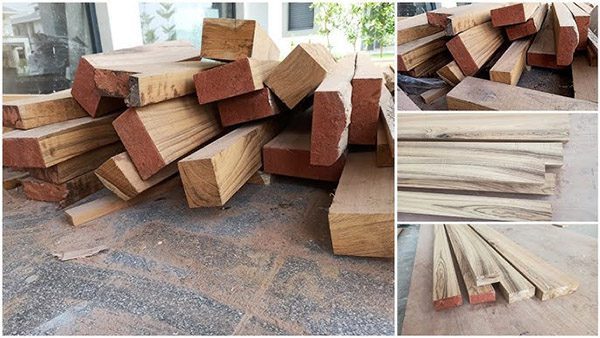
Vietnamese teak is of good quality, with decent durability and resistance. However, the quality can vary due to differing growing and management conditions. The wood ranges from yellow to brown, with clear grain. It is commonly used in furniture production and interior decoration.

Vietnamese teak is utilized in furniture, flooring, and decorative wood products. Vietnam mainly exports teak in processed forms, with key markets in Europe and Asia.


How do teak wood prices compare across Southeast Asian countries?

Teak wood prices in Southeast Asian countries vary significantly, primarily reflecting differences in quality, production volume, and market demand. Indonesia, known for its superior quality teak, commands the highest prices for raw wood, typically ranging from $800 to $1,200 per cubic meter. This premium pricing extends to finished products, with Indonesian living room furniture sets costing $1,500 – $4,000, bedroom sets $2,000 – $5,000, kitchen furniture $1,500 – $4,500, wooden chairs $200 – $600, and flooring $30 – $50 per square meter. Malaysian teak, offering good quality, falls into a mid-range price bracket, with raw wood priced between $700 and $1,000 per cubic meter. Its finished products are similarly positioned: living room furniture sets at $1,200 – $3,500, bedroom sets $1,800 – $4,000, kitchen furniture $1,200 – $3,500, wooden chairs $200 – $500, and flooring $30 – $45 per square meter. Vietnamese teak is generally the most affordable option, with raw wood prices ranging from $600 to $900 per cubic meter. This makes it an attractive choice for various applications, including living room furniture sets at $1,000 – $2,500, bedroom sets $1,500 – $3,500, kitchen furniture $1,000 – $3,000, wooden chairs $150 – $500, and flooring $25 – $40 per square meter.

Interior of bar with wooden furniture

Which teak wood is right for your project: Indonesian, Malaysian, or Vietnamese?

When comparing the quality of teak among Southeast Asian countries, it is clear that each country has its own unique characteristics in its products. Indonesian teak is famous for its superior quality, which is highly valued around the world for its durability, termite resistance and beautiful grain. As a result, Indonesia has become the world’s largest exporter of teak, supplying markets in Europe, the United States and Asia.

Malaysian teak is also of good quality, with beautiful grain and the ability to withstand harsh environmental conditions. However, the limited production due to the small plantation area reduces the country’s export capacity.

Meanwhile, Vietnamese teak is of quite good quality, but can be inconsistent due to differences in planting and management conditions. However, Vietnamese teak is still widely used in furniture and interior decoration, with the main export markets being Europe and Asia.

In terms of price, Indonesian teak is often more expensive than Vietnamese and Malaysian teak, reflecting its superior quality. The decision to source teak depends on each company’s needs in terms of quality, price and target market.

See more articles: Tips for Choosing the Right Wood for Your Demand

August 17, 2024 0 comment
0 FacebookTwitterLinkedinWhatsapp
Wood & Furniture

Compare the quality and price of Rubber wood from Southeast Asian

by Henry Truong August 17, 2024
written by Henry Truong

In this article, we will take a closer look at the quality and price of rubberwood in Southeast Asian countries, including Malaysia, Indonesia and Vietnam. The article will provide detailed information on the characteristics of rubberwood from each country and analyze the differences in prices on the international market.

This is the second in a series of articles comparing the quality and price of popular wood species in Southeast Asia. This series is designed to give you a comprehensive overview of different species, from acacia to teak to palisade, to help you choose the wood that best suits your needs. Explore other articles in the series to learn more about the species you are interested in.

  • Compare the quality and price of Acacia wood from Southeast Asian
  • Compare the quality and price of Teak wood from Southeast Asian
  • Compare the quality and price of Basswood from Southeast Asian
  • Compare the quality and price of Rosewood from Southeast Asian

How does rubberwood quality compare across Southeast Asian countries?

Quality of Malaysian Rubberwood

Malaysian rubberwood is highly regarded for its durability and quality, thanks to advanced management and processing. Many rubber plantations are certified as sustainable by international organizations such as PEFC and FSC.

Malaysian rubberwood is widely used in the production of furniture, plywood and industrial wood products. Many products are exported to the USA, Europe and Japan.

Quality of Indonesian Rubberwood

Indonesian rubberwood is of good quality, but sometimes inconsistent due to limited forest management and processing technology in some regions. Indonesia is also working to achieve sustainability certification to increase export value.

Indonesian rubberwood is mainly used for furniture, plywood and construction. Indonesia is a major exporter with major markets including China, Japan and South Korea.

Vietnam Rubberwood Quality

Vietnamese rubberwood is of good quality and treated to prevent termites and other problems. Vietnam has obtained many international certifications such as ISO, and FSC, which help to enhance the reputation and value of its products in the international market.

Vietnam rubber wood is mainly used in the production of furniture and plywood. Vietnam exports many rubber wood products to international markets including China, the USA and Europe.

What are the price differences for rubberwood in Southeast Asia?

When comparing rubberwood prices across Southeast Asian countries, both raw material and finished product costs show competitive ranges. For raw rubberwood, Vietnam typically prices between $50 – $60 per cubic meter, while Indonesia and Malaysia offer slightly lower rates at $45 – $55 per cubic meter. For finished rubberwood products, prices are generally competitive across all three nations, with some variations based on product type and craftsmanship. In Vietnam, living room furniture sets range from $200 – $1,500, bedroom furniture from $700 – $3,500, kitchen furniture from $500 – $2,500, wooden chairs from $50 – $150 per piece, and flooring from $15 – $25 per square meter. Indonesia’s finished product prices are comparable, with living room furniture sets at $300 – $2,000, bedroom furniture at $700 – $4,000, kitchen furniture at $500 – $3,000, wooden chairs at $50 – $200 per piece, and flooring also at $15 – $25 per square meter. Malaysia’s finished rubberwood products also fall within similar price brackets: living room furniture sets at $300 – $2,000, bedroom furniture at $700 – $4,000, kitchen furniture at $500 – $3,000, and wooden chairs at $50 – $200 per piece. Malaysian flooring, however, tends to be slightly higher, ranging from $20 – $30 per square meter.

How do I choose the best rubberwood supplier from Southeast Asia?

To choose the best rubberwood supplier from Southeast Asia, it’s essential to consider each country’s unique advantages in quality, sustainability, and price. Malaysian rubberwood is ideal for those prioritizing high quality and sustainable management, backed by advanced processing and international certifications. Indonesian rubberwood, while sometimes inconsistent in quality, is a strong contender for its efforts in improving management and achieving sustainability certifications, maintaining a solid position in the export market. Vietnamese rubberwood, known for its good quality and numerous international certifications, offers another reliable choice for manufacturers and exporters. In terms of pricing, all three countries provide relatively competitive options, allowing companies to select a source that aligns with their budget. Ultimately, the decision should be based on a careful evaluation of specific needs regarding quality, required sustainability certifications, and price to ensure it supports long-term business strategies.
August 17, 2024 0 comment
0 FacebookTwitterLinkedinWhatsapp
Wood & Furniture

Compare the quality and price of wood from Southeast Asian

by Henry Truong August 17, 2024
written by Henry Truong

How does Acacia wood quality compare across Southeast Asian countries?

When comparing Acacia wood quality across Southeast Asian countries, Malaysia stands out for its consistently high quality, durability, hardness, and attractive grain, largely due to advanced cultivation and management practices. This makes Malaysian Acacia ideal for premium applications like high-quality flooring and furniture, with significant global export. Indonesian Acacia also offers good quality, though its consistency can vary due to diverse climate and soil conditions, primarily serving the furniture, plywood, and paper industries as a major exporter. Meanwhile, Vietnamese Acacia is generally good, but its quality can be less stable compared to Malaysia and Indonesia due to evolving cultivation and forest management methods. Despite this, Vietnamese Acacia is widely used in furniture and construction, and while its export scale is currently smaller, it shows strong potential for growth and improvement.

What are the raw Acacia wood prices in Southeast Asian countries?

When comparing raw Acacia wood prices across Southeast Asian countries, Malaysia generally offers the most competitive rates. For 3-5 year old Acacia, prices range from $30 – $35 per cubic meter, increasing to $35 – $45 for 5-10 year old wood, and $45 – $55 for over 10 years old. Indonesia’s Acacia wood prices are significantly higher, with 3-5 year old wood costing $120 – $140 per cubic meter, 5-10 year old wood at $150 – $170, and over 10 year old wood reaching $180 – $200. Vietnam’s Acacia wood prices fall into a mid-range, with 3-5 year old wood priced between $43.75 – $55.00 per cubic meter, 5-10 year old wood at $54.17 – $62.50, and over 10 year old wood at $62.50 per cubic meter.

What are the export prices for Acacia wood products from Southeast Asia?

Malaysia

  • Living Room Furniture: $300 – $2,000 per set
  • Bedroom Furniture: $700 – $4,000 per set
  • Kitchen Furniture: $500 – $3,000 per set
  • Wooden Chairs: $50 – $200 per piece
  • Wood, Planks, and Flooring:
    • Sawn Timber: $400 – $600 per cubic meter
    • Plywood: $500 – $700 per cubic meter
    • Wood Flooring:
      • Solid Wood: $20 – $30 per square meter
      • Engineered Wood: $15 – $25 per square meter
  • Wood Chips: $150 – $180 per ton
  • Wood Pellets: $100 – $130 per ton

Indonesia

  • Furniture:
    • Living Room Sets: $300 – $2,000 per set
    • Bedroom Sets: $700 – $4,000 per set
    • Kitchen Sets: $500 – $3,000 per set
    • Wooden Chairs: $50 – $300 per piece
  • Wood, Boards, and Flooring:
    • Plywood: $500 – $700 per cubic meter
    • Wood Flooring: $20 – $30 per square meter
  • Wood Chips: $150 – $180 per ton
  • Wood Pellets: $100 – $130 per ton

Vietnam

  • Furniture:
    • Living Room Sets: $500 – $1,500 per set
    • Bedroom Sets: $700 – $2,000 per set
    • Kitchen Sets: $1,000 – $2,500 per set
    • Wooden Chairs: $50 – $300 per piece
  • Wood, Boards, and Flooring:Plywood: $300 – $600 per cubic meter
  • Wood Chips: $150 – $200 per ton
  • Wood Pellets: $100 – $150 per ton

Handmade Bamboo Products: $5 – $50 per item

Which Southeast Asian country offers the best value for Acacia wood imports?

When comparing Acacia wood from Southeast Asian countries, each nation presents unique advantages in terms of price and quality. While Malaysia and Indonesia are recognized for their consistently high-quality Acacia and advanced cultivation methods, Vietnam offers a compelling value proposition with competitive pricing and significant development potential. Although Vietnamese Acacia wood quality is still evolving compared to the established stability of Malaysian and Indonesian wood, ongoing improvements in management and cultivation are steadily enhancing its standing in the global export market. Therefore, Vietnamese Acacia wood products represent a good value, especially for importers seeking competitive prices and a growing market, making it a strong consideration for long-term sourcing strategies depending on specific quality, budget, and target market requirements.

See more articles: Tips for Choosing the Right Wood for Your Demand

Continue with our series about the comparison of wood in Southeast Asia

  • Compare the quality and price of Rubber wood from Southeast Asian
  • Compare the quality and price of Teak wood from Southeast Asian
  • Compare the quality and price of Basswood from Southeast Asian
  • Compare the quality and price of Rosewood from Southeast Asian
August 17, 2024 0 comment
0 FacebookTwitterLinkedinWhatsapp
Wood & Furniture

Tips for Choosing the Right Wood for Your Demand

by Henry Truong August 16, 2024
written by Henry Truong

How do I choose the right wood for my project?

Choosing the right wood for your project is crucial for ensuring quality, durability, and aesthetic appeal. To make an informed decision that meets your specific needs, follow these detailed steps, which guide you through identifying requirements, understanding wood types, and selecting reliable suppliers.

Step 1: Determine Your Usage Needs

  • Type of Product: Identify what you need the wood for (e.g., furniture, flooring, decoration).
  • Usage Environment: Consider whether the wood will be used indoors or outdoors, and whether the environment is wet or dry.

Step 2: Make a List of Necessary Requirements

  • Durability: Assess how long the product needs to last and whether it needs to be resistant to weather, termites, etc.
  • Aesthetics: Ensure the color and wood grain match your overall design preferences.
  • Budget: Decide how much you are willing to spend on the wood product.

Step 3: Learn About the Types of Wood

  • Natural Wood:
    • Rosewood: Expensive, durable, and beautiful. Best for high-end furniture.
    • Mahogany: Known for its durability and attractiveness, suitable for high-end pieces.
    • Sapele Wood: Affordable and easy to process, suitable for regular furniture.
  • Industrial Wood:
    • MDF: Cost-effective and easy to work with, ideal for regular furniture.
    • HDF: More durable than MDF, suitable for flooring and load-bearing furniture.
    • Plywood: Strong and versatile, perfect for multi-purpose furniture.

Step 4: Compare Prices and Quality

  • Domestic and International Markets: Compare prices of various wood types from both local and foreign suppliers.
  • Quality and Durability: Evaluate based on the wood’s origin, processing methods, and any available quality certifications.

Step 5: Check Wood Samples

  • Small Samples: Request samples from suppliers to assess colour, grain, and overall quality.
  • Durability Test: If feasible, perform tests on aspects like load-bearing capacity and moisture resistance.

Step 6: Choose a Reputable Supplier

  • Evaluate the Supplier: Consult previous customers and read reviews and ratings.
  • Quality Certification: Opt for suppliers with international quality certifications, such as FSC or PEFC.

Step 7: Consider Environmental Factors

  • Sustainable Origin: Prioritize wood sourced from sustainable environments.
  • Environmentally Friendly Production Process: Ensure the production methods are environmentally responsible.

Step 8: Order and Final Inspection

  • Order: Place your order with the chosen supplier, confirming quality and quantity.
  • Final Inspection: Upon delivery, check the quality and quantity before acceptance.

Why is choosing the right wood important for my project?

Choosing the right wood is essential because it directly impacts the quality, longevity, and cost-effectiveness of your project. It’s not always about selecting the most expensive option, like teak; rather, it’s about aligning the wood type with its intended purpose, specific usage requirements, and your budget to achieve optimal results and avoid unnecessary expenses.

For instance, sofas and living room furniture serve as a reflection of the homeowner’s style and hospitality. Therefore, these items often feature durable hardwoods like rubber, oak, or teak, typically in square shapes and brown or black tones. In contrast, less critical items such as bookshelves or TV stands can utilize more affordable, short-term materials like acacia or eucalyptus. As long as the wood is visually appealing and functional, customers may not be inclined to invest heavily in these items.

In kitchens, consumers tend to favour moisture-resistant and durable woods. Common choices include pine and teak, both known for their resilience in humid environments.

While these trends provide a general guideline, it is essential to assess your specific needs and budget to make an informed decision. Choosing the right wood offers numerous benefits, enhancing the quality, aesthetics, and economic viability of your wood projects. Here are the main advantages:

  • Cost Savings on Maintenance and Repairs: High-quality wood that suits its intended use is less prone to damage, reducing future maintenance and repair costs.
  • Ease of Machining: Suitable wood types are easy to cut, drill, carve, and assemble, saving time and effort during construction.
  • Versatility: Wood can serve various purposes, including furniture, decor, and structural applications, making it highly adaptable.
  • Load-Bearing Capacity: Choosing the right wood ensures that load-bearing structures like floors, ceilings, and walls are durable and suffer less damage over time.
  • Finishing Ability: Quality wood readily accepts paints, oils, and dyes, allowing for a beautiful finish that also protects the wood.

In conclusion, selecting the appropriate wood is vital for achieving lasting quality and efficiency in your projects.

What factors should I consider when selecting wood?

When selecting the right wood for your project, it’s crucial to consider several key factors that collectively ensure quality, durability, and aesthetic appeal. These considerations help you match the wood’s properties to your specific application, leading to a successful and long-lasting outcome.

1. Intended Use:

  • Interior or Exterior: Wood used outdoors must be resistant to water and termites. Hardwoods like oak and teak are typically more durable than softwoods such as pine and cedar.
  • Load-Bearing or Decorative Structures: Wood used in load-bearing applications must be hard and durable.

2. Durability:

  • Resistance to Rot and Termites: Certain woods, such as teak and pine, are naturally resistant to rot and pests.
  • Resistance to Warping and Shrinkage: Wood should be stable to avoid deformation over time.

3. Physical Properties:

  • Hardness: Depending on the application, you may need either hard or softwood.
  • Weight: Some projects require lightweight wood, while others may benefit from heavier types.

4. Aesthetics:

  • Colour and Grain: Wood is available in various colours and grain patterns that can complement specific decor styles.
  • Finishability: Assess how well the wood accepts stains, paints, or oils.

For information on the characteristics of wood types, you can see the article: Top 7 popular wood types to import from Vietnam

5. Workability:

  • Cutting, Drilling, Carving: Some woods are easier to work with, making them more convenient for carpenters and designers.

6. Cost:

  • Budget: Some woods are more expensive due to their rarity or superior qualities.
  • Maintenance Costs: Selecting wood that requires less upkeep can save money in the long run.

7. Source and Sustainability:

  • Wood Source: Opt for wood from sustainable sources, such as those certified by the FSC (Forest Stewardship Council).
  • Environmental Impact: Choose wood that has a lower environmental impact.

What type of wood is best for different furniture and outdoor uses?

When selecting wood for specific projects, it’s essential to consider how the material will perform in its intended environment, balancing technical requirements, aesthetic preferences, and economic factors. Different applications, from living room furniture to outdoor structures, demand unique wood properties. Below are key considerations for various common uses:

1. Living Room Furniture

  • Purpose of Use: Wood will be utilized for tables, chairs, TV shelves, bookcases, or flooring.
  • Aesthetics: Users typically prefer wood with beautiful grain and colours that align with the living room’s design style. Mahogany and Sapele wood are often favoured for their natural beauty and luxurious appearance.
  • Durability: Furniture must withstand frequent use and daily activities. Ironwood (Tali) and Basswood are popular choices due to their strength.
  • Scratch and Stain Resistance: Users seek wood that is easy to clean and resistant to damage, especially for items like coffee tables.

2. Kitchen Furniture

  • Purpose of Use: Wood is used for kitchen cabinets, dining tables, dining chairs, and shelves.
  • Water Resistance: Wood must resist mould and moisture due to the humid kitchen environment. Teak and rosewood are excellent choices for this purpose.
  • Durability and Ease of Cleaning: Wood needs to be tough and easy to clean. Oak and ash are popular for kitchen applications.
  • Aesthetics and Color: Warm, attractive colours create a comfortable kitchen atmosphere.

3. Bedroom Furniture

  • Purpose of Use: Wood will be used for beds, wardrobes, and dressing tables.
  • Durability: Bedroom furniture must withstand weight and daily use. Basswood and mahogany are commonly selected for their durability.
  • Aesthetics: Beautiful colours and grain patterns contribute to a relaxing and cosy space, making oak a favoured option for its natural appeal.
  • Health Safety: It’s crucial to choose wood free from toxic chemicals to ensure health safety, especially for children.

4. Office Furniture

  • Purpose of Use: Wood will be used for desks, chairs, and filing cabinets.
  • Durability and Load-Bearing Capacity: The wood should have good load-bearing capacity to prevent warping. Oak and rubber wood are suitable choices.
  • Scratch Resistance: Scratch-resistant wood maintains its aesthetic appeal over time.
  • Aesthetics and Style: The wood should match the office décor, creating a comfortable and professional working environment.

5. Outdoor Furniture (Garden)

  • Purpose of Use: Wood is used for garden tables and chairs, fences, and outdoor wooden floors.
  • Water and Weather Resistance: Wood must withstand harsh weather conditions. Teak and rosewood are popular for outdoor furniture.
  • Durability: Products need to resist termites and mould for longevity.
  • Aesthetics: The wood should feature beautiful colours and grains that enhance the natural outdoor experience.

By carefully considering these factors and selecting the appropriate type of wood, you can ensure the quality, aesthetics, and economic efficiency of your project.

Specific Examples

a. Choosing Wood for Living Room Furniture

  • Needs: High-end furniture with high durability and aesthetic appeal.
  • Wood Type: Rosewood or Mahogany.
  • Budget: High.
  • Supplier: FSC-certified supplier with a good reputation in the market.

b. Choosing Wood for Kitchen Cabinets

  • Needs: Good moisture resistance at an affordable price.
  • Wood Type: Sapele wood or Plywood.
  • Budget: Average.
  • Supplier: Local supplier with positive reviews from previous customers.

Following these steps will help you select the type of wood that best suits your needs, ensuring satisfaction with your final product.

Refer to the price of imported wooden furniture from Southeast Asian countries here

Conclusion

Choosing the right type of wood is a crucial process that requires careful consideration to ensure quality, durability, and aesthetics. First, clearly identifying your usage needs is essential, including the type of product (interior, exterior, wooden floors, decorations) and the usage environment (indoor or outdoor, wet or dry). Requirements for quality and aesthetics, such as durability, termite resistance, load-bearing capacity, and the desired colour and wood grain, also need to be thoughtfully evaluated. Additionally, your budget plays a significant role, ensuring that the costs align with your financial capacity.

For high-end furniture, natural wood options like Sapele, Mahogany, and Ironwood (Tali) are ideal choices. In contrast, industrial wood such as MDF, HDF, and Plywood works well for regular furniture and industrial wood floors. It is equally important to choose a reputable supplier with positive customer reviews and international quality certification. Inspecting wood samples directly can provide insight into quality and durability.

Finally, environmental considerations should not be overlooked. Opt for wood sourced from certified sustainable origins and ensure that the production processes are environmentally friendly. By following these steps, you can confidently choose the most suitable wood for your needs.

For further assistance, contact us for a free consultation and to order high-quality wood products that will bring your ideas to life.

August 16, 2024 0 comment
0 FacebookTwitterLinkedinWhatsapp
Newer Posts
Older Posts

Recent Posts

  • Import Vietnamese Coffee: Your Strategic B2B Playbook
  • Vietnam’s Coffee Economy: Market Trends, Export, and Sustainable Future
  • Vietnamese Coffee Brands: Your Definitive Guide to Authentic Flavors, Top Picks & Smart Buying
  • Vietnamese Coffee Taste: Your Sensory Guide to Bold Flavors
  • Vietnamese Coffee: Ultimate Guide to History, Brews & Global Impact

Follow Us

Facebook Linkedin Twitter

Recent Posts

  • Import Vietnamese Coffee: Your Strategic B2B Playbook

    December 17, 2025
  • Vietnam’s Coffee Economy: Market Trends, Export, and Sustainable Future

    December 15, 2025
  • Vietnamese Coffee Brands: Your Definitive Guide to Authentic Flavors, Top Picks & Smart Buying

    December 13, 2025
  • Vietnamese Coffee Taste: Your Sensory Guide to Bold Flavors

    December 12, 2025
  • Vietnamese Coffee: Ultimate Guide to History, Brews & Global Impact

    December 11, 2025

Categories

  • Food & Spicy Industry (30)
  • Free Trade Agreement (18)
  • Fruit & Vegetable (56)
  • Garment & Footwear (11)
  • Market Insights (29)
  • Others (4)
  • Seafood (4)
  • Vietnam Commodity Market Price (17)
  • Vietnam Export Data (15)
  • Vietnam Market (6)
  • Wood & Furniture (19)

Vietnam Commodity Export offers comprehensive and in-depth information on Vietnam’s sourcing market, highlighting opportunities and challenges across various industries. We help international businesses find quality manufacturers and reliable suppliers in Vietnam, providing the critical insights needed to connect with the best partners and resources in the market.

Newsletter Subscribe
    • Homepage
    • Market Insight
    • Sourcing Service
    • Vietnam Overview
    • Publication
    • About Us
    • Contact Us
  • Product Catalogue
    • Coconut Products
    • Tropical Fruits
    • Spicy Products
    • Food & Nuts Products
    • Dried Fruit

You are looking for suppliers in Vietnam!

Shop Now
Facebook Linkedin Twitter Email
VNCOMMEX Group Co. Ltd Address: 06 Vo Van Kiet, Nguyen Thai Binh Ward, District 1, HCMC
Email: info@vncommex.com

All rights reserved. Designed and developed by Vietnam Commodity Exports

Privacy Policy

FAQ

VnCommEx
  • VCE
  • Product Catalogue
  • Market Insight
    • Wood & Furniture
    • Garment & Footwear
    • Food & Spicy Industry
    • Fruit & Vegetable
    • Others
    • Market Insights
  • Vietnam Market
    • Vietnam Commodity Market Price
    • Vietnam Export Data
    • Vietnam in FTA
  • Publication
  • About Us
  • English
    • 中文 (中国)
    • Tiếng Việt
VnCommEx
  • VCE
  • Product Catalogue
  • Market Insight
    • Wood & Furniture
    • Garment & Footwear
    • Food & Spicy Industry
    • Fruit & Vegetable
    • Others
    • Market Insights
  • Vietnam Market
    • Vietnam Commodity Market Price
    • Vietnam Export Data
    • Vietnam in FTA
  • Publication
  • About Us
  • English
    • 中文 (中国)
    • Tiếng Việt
@2021 - All Right Reserved. Designed and Developed by PenciDesign
✕

Shopping Cart

Close
No products in the cart.
Close
 
Return to shop