

On April 24, 1989, Vietnam’s Minister of Forestry, Phan Xuan Tới, issued a decision to eliminate round wood from the export list, shifting the focus to processed wood products such as furniture, wooden furniture combined with rattan, flooring, refined flooring, veneer, plywood, particle board, pressed fiberboard, and sawn wood. With more than 30 years of development, Vietnamese wooden furniture is now present in 140 countries and territories, generating over $10 billion annually. This makes Vietnam the world’s 5th largest exporter of wood and wood products, the 2nd largest in Asia, and the top exporter in Southeast Asia.
In 2023, research by the furniture market and industry consulting organization CSIL showed that Vietnam became the world’s 6th largest furniture manufacturer, behind China, the USA, Italy, Germany, and India, those countries maintaining a strong global standing over the past decade. The increase to 7 ranks in less than 10 years proves the determination of all businesses and the Vietnamese government to innovate, apply technology, and comply with global policies to improve the quality of Vietnamese wood products.
Why does Vietnam have so many different types of wood?
Vietnam boasts abundant and diverse wood material sources, making it a premier global destination for high-quality wood and wood products. The country’s extensive forest cover, totaling 14.79 million hectares—including 4.66 million hectares of planted forests dedicated to economic use—ranks it as the 35th largest forest area globally.
As of September 2023, nearly 500,000 hectares of Vietnam’s forest area hold globally recognized certifications, including 152,000 hectares with VFCS/PEFC certification and 283,000 hectares with FSC certification, representing about 64% of the country’s total planted forest area.
Bamboo is another key resource, with approximately 1.4 million hectares, equivalent to 6.2 billion bamboo trees. Concentrated bamboo forests span 37 provinces, with 23 provinces having over 10,000 hectares each. Among the 40 bamboo species, nine hold economic value: Acidosasas, Chimonocalamus, Dendrocalamus, Indosasa, Oligostachyum, etc. High-value species include Luong, Bamboo, and Tam Vong. Additionally, Vietnam has about 30,000 hectares of natural rattan spread across 28 provinces. These resources contribute to a thriving handicraft industry, popular on platforms like Etsy and Amazon.
To ensure a secure raw material supply and comply with FTA agreements, the Vietnamese government has outlined clear projects to develop large timber plantations. By 2030, the total area of large timber production forests is expected to reach about 1 million hectares, distributed as follows:
- Northern Midlands and Mountains: 130,000-146,000 hectares
- Red River Delta: 6,000-9,000 hectares
- North Central and Central Coast: 280,000-348,000 hectares
- Central Highlands: 25,000-35,000 hectares
- Southeast region: 7,500-10,000 hectares
- Southwest region: 1,500-2,000 hectares

These initiatives provide a solid foundation for the growth of Vietnam’s wood industry, reducing the risk of wood shortages and reliance on imports from African countries, which often face challenges in proving the origin of their materials.
What makes Vietnamese wood high quality?
Vietnam offers 94 types of wood licensed for production and export, featuring a variety of species, particularly from tropical and subtropical origins. From hardwoods like ironwood and oak to softwoods like pine and acacia, many types of Vietnamese wood meet international standards for durability, hardness, and natural beauty.
See more of the article: Top 7 types of wood favoured for import from Vietnam

Besides, there are some notable wood types mostly used in some traditional craft villages depending on their different strengths. This creates excellent quality for Vietnamese wood products and handicrafts.
High Quality and Durability:
- Sandalwood: High quality and durable. Products: tables, chairs, wardrobes.
- Ironwood: Hard and strong. Products: columns, wooden floors.
- Rosewood: Termite-resistant and highly durable. Products: tables, chairs, wine cabinets.
High Manufacturing Ability and Aesthetics:
- Mahogany: Easy to work with, beautiful grain. Products: decorative cabinets, bookshelves.
- Pomu Wood: Soft, easy to work with, attractive grain. Products: handicrafts, kitchen cabinets.
- Peach Wood: Easy to work with, appealing grain. Products: beds, dining tables.
Resistance to Termites and Humid Environments:
- Cypress Wood: Very hard and termite-resistant. Products: wooden floors, doors.
- Cho Chi Wood: High durability and termite resistance. Products: outdoor furniture, windows.
- Ash Wood: Durable and termite-resistant. Products: floors, pillars.
- Ecological and Sustainable Characteristics:
- Acacia Wood: Fast-growing and soil-improving. Products: plywood, furniture.
- Eucalyptus Wood: Fast-growing, improves soil, prevents erosion. Products: tables, chairs, plywood.
High Economic Value and Rarity:
- Rosewood: Rare, valuable, and beautiful grain. Products: high-end furniture, decorations.
- Black Oak Wood: Rare and highly durable. Products: luxury furniture, tables, chairs.
- Red Oak: High value and durable. Products: tables, chairs, wardrobes.
Additionally, Vietnamese bamboo and rattan are highly popular for crafting eco-friendly products. These include fruit and cake plates, pen boxes, and handbags made from rattan and cotton fibres, dyed with natural colours, and featuring traditional cultural patterns, aligning with global green consumption trends.
How can I get competitive prices for wood from Vietnam?
You can get competitive prices for Vietnamese wood due to several key factors, making it a highly attractive option in the global market, especially for popular product groups like bedroom furniture, kitchen furniture, and upholstered chairs. This competitiveness stems from lower production costs and extensive trade agreements.
Production Cost
Vietnam’s wood processing and manufacturing sector employs over 500,000 workers, with 55-60% being trained and stable, skilled in operating new equipment and technology, previously handled by foreign experts. The average salary for these workers is about $354/month, while village artisans earn between $700 and $1,500/month depending on skill level. Overall, Vietnam’s labour costs are lower compared to countries like Thailand, Malaysia, and China.
The remaining 40-45% are seasonal workers, mainly from rural and mountainous areas, contributing directly to planting and creating raw materials for forest product production and processing. Their costs are typically 20-30% lower. With low production costs and self-sufficient input materials, Vietnam has attracted significant investment in the wood industry, driving its expansion and development in recent years.
Trade Agreements
As of May 2024, Vietnam has signed, implemented, and is negotiating a total of 19 Free Trade Agreements (FTAs), with 16 already signed and implemented and 3 under negotiation. These FTAs connect Vietnam with over 60 partners across all continents, covering nearly 90% of global GDP. Additionally, Vietnam has trade relations with 224 partners, cooperative relations with over 300 international organizations, and has signed more than 90 bilateral trade agreements and nearly 60 investment promotion and protection agreements.
Participation in FTAs eliminates up to 90% of import taxes on Vietnam’s wood exports to over 50 of the world’s largest trading partners. This allows Vietnamese wood products to access more export markets and increase market share in demanding markets such as Japan, Europe, the US, and other developed economies.
FTAs also include regulations on minimizing trade risks, protecting investors, and safeguarding intellectual property, enabling Vietnamese wood businesses to engage in international trade activities more safely and sustainably.
Does Vietnam have enough production capacity for wood exports?
Yes, Vietnam has a robust and growing production capacity to serve customers, ensuring a reliable supply of wood products for export. As of January 2024, the country boasts approximately 6,000 wood manufacturing and processing enterprises, including over 5,000 private enterprises, 250 state-owned enterprises, and more than 660 foreign investment (FDI) enterprises. This represents a significant growth of over 500% compared to 2006, when only about 1,200 wood processing enterprises were in operation.
Vietnamese wood businesses are increasingly focusing on improving product quality to meet international standards. Many have invested in advanced technology and modernized production infrastructure, while also enhancing the professional qualifications and skills of their workers. This has enabled these businesses to produce high-quality products that meet the preferences of both domestic and international consumers.

Vietnam is home to more than 340 wood-carving villages spread across the country. Each village comprises around 2,000 households engaged in wood processing and production activities, preserving and passing down their unique skills through generations. These villages are vital in maintaining the quality and distinct designs characteristic of each locale.
Historical Development of Wood Carving Villages
- Villages established over 100 years ago: 21.7%
- Villages established between 30 to 100 years ago: 29.9%
- Villages established between 10 to 30 years ago: 37%
- Villages established in the last 10 years: 11.4%
Artisans with over 30 years of experience possess exceptional skills, having learned their craft from a young age through familial teachings.
Read more in the article: From Traditional Craft to International Brand: The Journey of Vietnamese Bamboo and Rattan Weaving
What are the export procedures for wood from Vietnam?
The export procedures for wood from Vietnam are highly convenient and streamlined, largely due to the impact of Free Trade Agreements (FTAs) that have simplified customs processes for businesses. These agreements have introduced key advancements, making international trade more efficient and accessible.
Use of Information Technology and Risk Management
- Electronic Customs System: FTAs promote the use of information technology, enabling businesses to submit and process customs declarations online, reducing processing time and costs.
- Risk Management System: This system focuses inspections on high-risk shipments, allowing low-risk shipments to clear customs quickly.
- Advance Declaration: FTAs permit businesses to complete customs procedures before goods arrive at ports or borders, reducing customs clearance time and facilitating faster movement of goods.
National Single Window (NSW) and ASEAN Single Window (ASW)
- NSW: This mechanism allows businesses to handle import and export procedures in a centralized and synchronized manner, minimizing administrative overlap and complexity.
- ASW: Facilitates swift customs procedures for exports to ASEAN countries, reducing the time and costs associated with customs processes.
Information Disclosure and Dialogue with Businesses
Transparency: Customs authorities publish relevant regulations, instructions, and information, and engage in regular dialogues with businesses to address and resolve issues promptly.
Harmonizing Standards and Processes
FTAs encourage the harmonization of technical standards and customs processes among member countries, reducing differences in requirements and regulations, and creating favourable conditions for businesses to export goods to various markets.
Government Support Policies for the Wood Industry

Tax Incentives: The government offers tax incentives for wood processing enterprises, including reduced import taxes on necessary machinery, equipment, and raw materials.
Financial Support: Financial support and preferential credit packages are provided to businesses in the wood industry to help them invest in technology, upgrade equipment, and expand production. The loan program for the forestry and fisheries sector offers about 15,000 billion VND in credit capital, with loan interest rates at least 1-2%/year lower than average lending rates for the same term, available until June 30, 2024.
Infrastructure Development
- Public Investment: 657,000 billion VND allocated for public investment in 2024, mainly for transport infrastructure.
- Roads: Accelerate the North-South expressway project, complete inter-regional expressways, and connect international gateway seaports, airports, and border gates with major urban areas. Aim to construct about 5,000 km of expressways with a total investment of 170,000 billion VND.
- Sea Routes: Invest in the seaport system to handle about 570 million tons/year. International gateway ports like Cai Mep and Lach Huyen can receive large ships, and specialized ports can handle ships from 100,000 to 320,000 tons. Develop a dry port system to support seaport operations and logistics services.
- Airports: Develop the national airport system to have 30 airports by 2030, expanding to 33 by 2050. Key projects include major international airports such as Long Thanh, Tan Son Nhat, Noi Bai, Da Nang, Cam Ranh, and Phu Quoc.
- International Exchanges: Enhance road traffic infrastructure connections with Laos, Cambodia, and China under international cooperation frameworks like ASEAN and GMS. Implement and amend signed road transport agreements to improve connectivity and facilitate cross-border road transport.
How does Vietnam’s transportation system support wood exports?
Vietnam’s transportation system is highly developed and strategically positioned to efficiently support wood exports, maximizing time and cost savings for international buyers. Its advantageous geography, bordering China to the north and Laos and Cambodia to the west, places it at the crossroads of international maritime and aviation routes, as well as at the center of Southeast Asia. This makes Vietnam a crucial gateway to the sea for Laos, Northeast Cambodia, Thailand, and Southwest China, fostering vibrant economic development and facilitating seamless integration into global trade.
Road Transport System
According to the Vietnam Logistics Report 2022 by the Ministry of Industry and Trade, Vietnam’s total road length is 595,201 km, with national roads (including highways and expressways) covering 25,560 km.
The Eastern North-South Expressway Project has completed 9 out of 11 component projects for the 2017-2020 period, bringing the total expressway length to over 2,000 km. Vietnam ranks 3rd in Southeast Asia for the largest and most modern highway network, extremely close to Malaysia, which is in 2nd place.
Airport System
Vietnam operates 22 airports, including 9 international and 13 domestic airports. The airport network ensures accessibility for 96% of the population within a 100 km radius, surpassing the world average of 75%, and is comparable to developed countries.
Long Thanh International Airport, under construction since January 5, 2021, is expected to be operational by the end of 2025. It is designed to be a 4F airport or higher according to ICAO standards. By early 2024, more than 2,300 hectares of land will be available for the project, which aims to handle 5 million tons of goods annually, making it a significant transhipment port both for Vietnam and internationally.
Sea Traffic
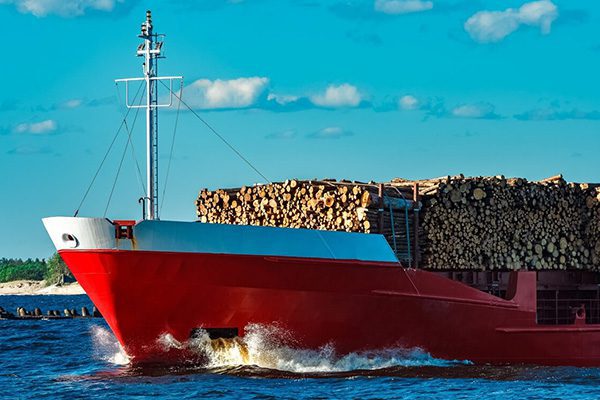
Vietnam’s extensive coastline of over 3,260 km supports a robust maritime infrastructure. According to the Vietnam Maritime Administration, the country has 286 ports divided into 5 seaport groups, with a total wharf length of more than 96 km, accommodating over 706 million tons of throughput.
Major port locations include Hai Phong (50 ports), Ba Ria – Vung Tau (48 ports), Ho Chi Minh City (40 ports), Dong Nai (18 ports), Khanh Hoa, and Can Tho (17 ports each).
Hai Phong City and Ho Chi Minh City are ranked among the top 50 largest container ports globally. Vietnam has established 32 maritime transport routes, including 25 international routes and 7 domestic routes. In addition to Asian routes, the northern region has 2 routes to North America, while the southern region has 16 routes to North America and Europe, ranking 3rd in Southeast Asia, behind Malaysia and Singapore.
By 2023, the total volume of goods through Vietnam’s seaports will reach 756.8 million tons, a 5% increase from 2022, with container goods estimated at 24.7 million TEUs. Vietnam has approximately 1,500 ships registered in the national ship registry, with a total tonnage of over 13.7 million tons and a total capacity of over 7.2 million GT, including 977 transport ships with a total tonnage of over 11.1 million tons and a total capacity of over 6.6 million GT.
New super ports are being developed, such as Can Gio super port in Ho Chi Minh City, which will have a main wharf length of 6.8 km and a barge wharf length of 1.9 km, capable of receiving mother ships of up to 250,000 DWT and feeder ships from 10,000-65,000 DWT. With a total investment of $5.5 billion, Can Gio port is expected to be operational by 2027.
Conclusion
Vietnam’s wood industry is a global leader, offering abundant raw materials, high-quality wood, and competitive pricing. Supported by skilled artisans and modernized manufacturing, the industry meets international standards and custom requirements.
Simplified customs procedures through FTAs and a robust transportation network—including extensive roadways, well-distributed airports, and comprehensive seaports—ensure efficient export processes. These factors, combined with favourable government policies and political stability, make Vietnam an attractive and reliable choice for importing high-quality wood products.


