

The modest growth rate of jackfruit is primarily attributed to its perishable nature. Fresh jackfruit typically has a short shelf life of 5 to 7 days post-harvest under normal conditions and can last up to 6 weeks under cold storage (at temperatures between 11 to 13 degrees Celsius). This limits the feasibility of exporting fresh jackfruit over long distances. Therefore, Southeast Asian countries aiming to export to the US or Europe often opt for processed jackfruit products to mitigate risks.
In various countries, young jackfruit is increasingly favoured as a meat alternative, recognized for its health benefits, including vitamins A, C, and B6. As preservation technology advances and diverse jackfruit products emerge, the annual growth rate in jackfruit exports is expected to rise sharply, reflecting its growing global popularity.
In 2023, the top jackfruit importing countries based on recorded shipments were (source: Volza.com):
- China: 20,976 shipments
- United States: 12,074 shipments
- Vietnam: 8,032 shipments
- United Arab Emirates: 5,570 shipments
- Ukraine: 3,480 shipments
- Australia: 2,713 shipments
- United Kingdom: 2,240 shipments
- Russia: 2,232 shipments
- Oman: 1,939 shipments
- Qatar: 1,847 shipments
So, where do these countries primarily source their jackfruit? Here are the top 5 jackfruit exporters globally and their notable characteristics.
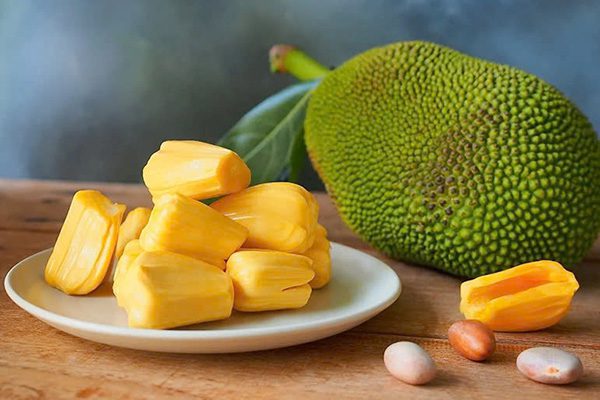
Vietnam’s Jackfruit Export Overview
Vietnam’s jackfruit export sector has experienced remarkable growth, surging from just $3 million in 2015 to an impressive $236.8 million in 2023, having reached $163 million in 2020. Despite this substantial increase, the export turnover is relatively modest compared to Vietnam’s dominant 76% share of the global jackfruit export market.
The Vietnamese jackfruit export market is diverse, involving trade with 55 countries and territories as of 2023. However, the primary focus remains on the Chinese market, which accounts for a staggering 94.34% of Vietnam’s total jackfruit export turnover. This heavy reliance on China significantly boosts the overall growth of jackfruit exports across the industry.
Vietnam offers a wide range of jackfruit varieties, including Thai jackfruit, Nghe jackfruit, To Nu jackfruit, as well as unique types like giant jackfruit, super long jackfruit, and latex-free jackfruit. Thai jackfruit, in particular, dominates cultivation, especially in the southern provinces of the Mekong Delta and the Central Highlands. According to the Department of Crop Production, the output of Thai jackfruit in these regions reached approximately 524,000 tons in 2021, marking a remarkable 110% increase compared to 2020. While Thai jackfruit is the primary variety exported from Vietnam, other varieties are primarily consumed domestically due to smaller cultivation areas.
Currently, around 150 Vietnamese enterprises are officially engaged in jackfruit exports, with most trade taking place at border markets. In 2023, the average export prices for various types of jackfruit were $477.4 per ton for fresh jackfruit, $2,356 per ton for frozen jackfruit, and $12,738 per ton for dried jackfruit. Although dried and frozen jackfruit can command high prices in key markets like the US and Japan, fresh jackfruit continues to dominate exports, comprising 89% of total jackfruit exports, while dried and frozen varieties account for only 8% and 2%, respectively, in recent years.
By focusing on quality and expanding their export strategies, Vietnam’s jackfruit sector is poised for continued growth in the global market.

India’s Jackfruit Export Overview
As the native land of jackfruit, India stands out as a top exporter of this versatile fruit. In 2023, India’s jackfruit exports witnessed significant growth. Market research estimates reveal that the country exported 2,030 consignments of jackfruit from March 2023 to February 2024, reflecting a 45% increase compared to the prior year.
Like Vietnam, India cultivates various types of jackfruit, primarily classified into three main varieties:
- Large Jackfruit (Artocarpus heterophyllus): Weighing up to 20-40 kg, this variety is predominantly designated for export.
- Dry Jackfruit: With lower moisture content, this type features a firm texture, making it suitable for processing and canning.
- Soft Flesh Jackfruit: Known for its soft, sweet, and juicy flesh, this variety is mainly consumed fresh and has lower export rates.
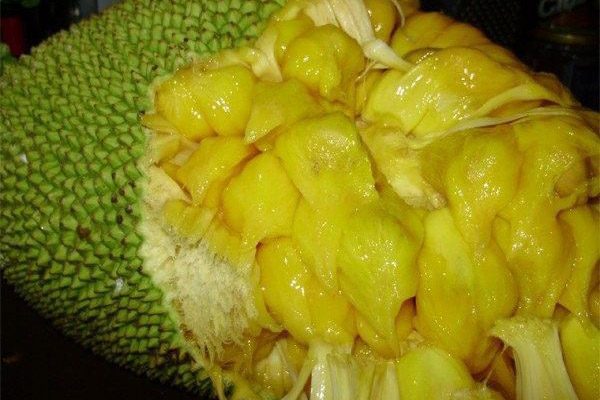
Jackfruit is widely cultivated in states such as Kerala, Tamil Nadu, Karnataka, West Bengal, and Odisha. Kerala leads in production, contributing about 263,000 tonnes annually. Key markets for Indian jackfruit exports include the UAE with 2,714 shipments (27%), the UK with 1,033 shipments (10%), and the US with 968 shipments (10%).
While Indian companies face challenges in competing with the US in lab-grown meat due to technological gaps, the plant-based meat sector presents opportunities. Indian exporters can capitalize on the country’s rich heritage of plant-based foods, especially those derived from jackfruit. A report by the Good Food Institute (GFI) and Deloitte India suggests that by 2030, the potential for plant-based meat exports from India could range from Rs 2,194 crore to Rs 6,824 crore.
Many popular recipes featuring jackfruit can be found on renowned culinary websites like Minimalist Baker, Love and Lemons, and Food with Feeling, showcasing the appeal of Indian jackfruit among vegetarians worldwide.
Thailand’s Jackfruit Export Overview
Thailand stands out in Southeast Asia for its high-quality jackfruit varieties and innovative cultivation techniques. This dedication has made jackfruit a popular export fruit, known for its exceptional taste and quality. Notable Thai jackfruit varieties, including Yellow Jackfruit and White Jackfruit, have established themselves as recognized brands in global markets.
Popular Thai Jackfruit Varieties
Thong Jackfruit (Yellow Jackfruit): This variety features golden yellow flesh with a rich, sweet flavor and a crunchy texture. It is the most sought-after jackfruit for export due to its delectable taste and durability.
Khâo Jackfruit (White Jackfruit): Known for its light yellow to white flesh, this type is soft and juicy. While it is also exported, it is less favored than Yellow Jackfruit because its delicate flesh does not preserve well over time.
Mít Lai (Hybrid Jackfruit): A hybrid of various jackfruit types, Mít Lai boasts a sweet taste and a crispy texture. It is cultivated for export due to its high yield and thick flesh.
Jackfruit is cultivated throughout Thailand, with the Northeast region being the most prominent area for production, followed by the Southwest. The Chonburi province, especially the Nong Hiang sub-district, is known for its significant output of Thongprasert jackfruit. This variety is prized for its large fruit size, thick flesh, and sweetness, making it especially appealing to the Chinese market.
The price of Thai jackfruit typically fluctuates between $0.70 to $0.91 per kilogram. Although Thailand is recognized as the homeland of the “Thai jackfruit” variety, its overall output and export revenues are considerably lower than those of Vietnam. This is largely due to the Chinese preference for Vietnamese jackfruit, which is favored for its lower price and sweeter taste.
Despite the challenges faced in the export market, Thailand continues to enhance its jackfruit cultivation practices. The Thai government and agricultural institutions are investing in improving agricultural techniques to boost yield and quality. By focusing on innovation and quality control, Thailand aims to strengthen its position in the global jackfruit market and attract more diverse export markets.
Colombia’s Jackfruit Export Overview
In 2023, Colombia exported approximately 682 batches of jackfruit, capturing around 3% of the global market share. While this positions Colombia as a notable player in the jackfruit export industry, its scale is significantly smaller compared to leading exporters like Vietnam and India.
Unlike Vietnamese jackfruit, which predominantly targets the Chinese market, and Indian jackfruit, which is exported to the US and UAE, Colombian jackfruit primarily serves Latin American countries, along with the US and Canada. This diversification allows Colombia to carve out its niche in the international market.
The primary jackfruit cultivation areas in Colombia are concentrated in the Cauca Valley, Chocó region, and Antioquia. Among these, the Cauca Valley stands out as the leading jackfruit-producing area due to its favorable climate and rich soil conditions, which are ideal for jackfruit cultivation.
The main variety exported from Colombia is the Yellow Jackfruit (Mamey), characterized by its reddish-brown skin and orange to red flesh. This variety is celebrated for its sweet, aromatic flavor, making it an appealing option for both local and international markets.
While Colombia has established itself as a viable jackfruit exporter, it faces challenges such as competition from larger producers and the need to enhance its export infrastructure. By investing in agricultural practices and improving quality control, Colombia has the potential to increase its export volumes and explore new markets.
Bangladesh
Bangladesh is the second-largest producer of jackfruit globally, with an annual output of approximately 1.9 million tonnes, representing about 22% of the nation’s total fruit production.
In the 2019-20 financial year, Bangladesh exported around 1,000 tonnes of jackfruit. The country has made continuous efforts to boost this figure by increasing the production of processed items, such as fried jackfruit and dried products. The majority of Bangladesh’s jackfruit exports go to Middle Eastern markets, including Qatar, Oman, Bahrain, Saudi Arabia, and the UAE. Additionally, processed jackfruit products aimed at vegetarian diets have gained popularity in the EU and the US, particularly in the UK.
Several notable varieties of jackfruit are cultivated in Bangladesh, including:
- Khwaja: Known for its firm texture and less juicy pulp. It has a strong flavour and is often considered less digestible.
- Gala: This variety is juicy and sweet, making it highly desirable for both local consumption and export.
- Dorosa: An intermediate variety with a balance of firmness and juiciness.
- Hazari: Known for its high yield and sweetness, Hazari jackfruit is particularly popular among local farmers.
Jackfruit in Bangladesh is typically cultivated using traditional methods, minimizing the use of harmful chemicals, which ensures high quality and safety for consumers. Jackfruit holds cultural significance, woven into the fabric of daily life and the country’s history. It features prominently in various local cuisines, with popular dishes including jackfruit jam, grilled jackfruit, jackfruit ice cream, and jackfruit salad. These dishes are a must-try for visitors to Bangladesh, showcasing the fruit’s versatility and importance.
Conclusion
The global jackfruit market is characterized by dynamic growth and diverse offerings, with key contributions from Vietnam, India, Thailand, and Colombia. Each country plays a significant role in shaping the market landscape, reflecting their unique cultivation practices, varieties, and export strategies.
The jackfruit market presents significant opportunities for growth as countries harness their agricultural strengths and explore new markets. By focusing on quality, marketing, and expanding their reach, Vietnam, India, Thailand, and Colombia can capitalize on the rising global demand for jackfruit, particularly in the context of increasing interest in plant-based and sustainable food options.


