

Overview of Vietnam’s Demographic Structure and Workforce
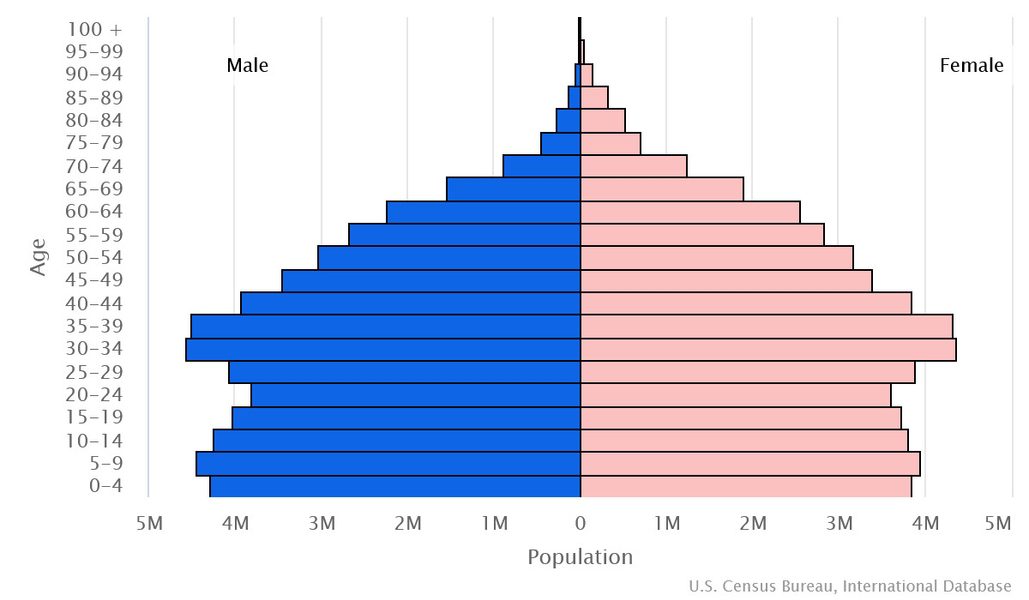
With a population of over 100 million, Vietnam ranks 15th globally in terms of population size. Notably, Vietnam is currently experiencing a “golden” population structure, with a significant proportion of its population in the working age range (15–64 years). Approximately 55% of Vietnam’s population is of working age, creating a young, abundant, and dynamic labour force. This is a major advantage for fostering economic growth, particularly in the production and export sectors.
However, the quality of human resources in Vietnam is gradually being enhanced to meet the demands of high-tech industries and specialized services. With investment in education, skill development, and technical advancement, Vietnam’s workforce is progressively becoming a competitive asset for its export-oriented economy.
See More: How Vietnam’s Geographic Location Powers Export Growth and Investment
Quality of Human Resources and Potential in Key Export Sectors
Workforce in Manufacturing and Assembly
Vietnam’s workforce meets the production and assembly requirements in many key industries, including textiles, footwear, electronics, and manufacturing:
- Textiles and Footwear: Vietnam is currently one of the largest exporters of textiles and footwear worldwide, with export revenue for these two industries surpassing $50 billion USD in 2023. The labour force in these sectors has been trained to utilize modern production technologies, ensuring products meet international standards. Labour costs in Vietnam are also competitive compared to countries like China and Indonesia, helping Vietnam retain its position as an attractive destination for international textile and fashion companies.
- Electronics and High-Tech: A skilled workforce with competitive labour costs has attracted major technology corporations like Samsung, Intel, and LG to choose Vietnam as a production and assembly centre. Vietnam’s electronics industry significantly contributes to exports, with a value exceeding $100 billion USD in 2023. The workforce in this sector receives in-depth technical training, supported by both international enterprises and the Vietnamese Government, helping them meet the high standards required by global markets.
Workforce in Services and Logistics
The growth of exports and international trade has led to increasing demand for skilled labor in logistics and supply chain services. Vietnamese workers in these sectors are trained in management, operations, and modern logistics skills, optimizing the transport, storage, and export processes:
- Logistics and Supply Chain: Vietnam currently has a developed logistics network, connecting seaports, airports, and industrial zones. In 2023, Vietnam’s total export value reached $371 billion USD, a 10.5% increase from the previous year, demonstrating the robust development of its logistics system. The participation of large domestic and international companies has driven Vietnam’s logistics sector forward, reducing costs and enhancing the competitiveness of exported goods.
Vietnam’s Education and Vocational Training System
Vocational Training and Technical Education
Vietnam’s education system is gradually shifting its focus to vocational training and technical education to meet the labour market demands, particularly in high-tech manufacturing and technical services:
- Vocational Training Institutions: Vocational schools and skill training centres are now concentrated in major cities and industrial provinces, offering programs in fields such as mechanics, electronics, textiles, and logistics. These vocational training programs are designed to meet the requirements of businesses and the standards of the export market.
- School-Enterprise Partnerships: Many universities and colleges have established partnerships with companies to design training programs tailored to real-world industry needs. Internships and on-the-job training programs provide students with practical knowledge and skills, preparing them to enter the labour market upon graduation.
Digital Transformation in Education
Vietnam is promoting digital transformation in education to enhance workforce accessibility and skill levels, especially in IT and digital skills. This initiative not only facilitates the training of a workforce suitable for Industry 4.0 sectors but also equips Vietnam with a labour force capable of meeting the demands of foreign businesses in high-tech fields.
Challenges and Prospects in Improving Workforce Quality
Challenges in Meeting High-Quality Labor Demand
Despite a large labor pool and an improving education system, Vietnam still faces challenges in meeting the requirements of international enterprises for specialized skills and English proficiency. The Government and businesses are striving to improve workforce quality through investment in skills training, language proficiency enhancement, and vocational education.
Prospects for Developing a High-Quality Workforce
Vietnam has great potential for developing a high-quality workforce if it continues investing in education and training. International cooperation programs, student exchange initiatives, and investment from multinational companies in skill development will help raise the quality of human resources, meeting the increasing demands of major export markets. This will not only boost Vietnam’s competitiveness in exports but also strengthen its role in the global supply chain.
Conclusion
Vietnam’s demographic structure, workforce quality, and education system are key drivers for economic growth and export development. With a young, abundant labour force, a progressively enhanced vocational education system, and strong digital transformation, Vietnam is building a skilled labour pool capable of meeting the demands of key export sectors such as textiles, electronics, and logistics. If it continues investing in skill development and education quality, Vietnam will become an increasingly attractive destination for international investors and maintain its strong position in the global supply chain.
Understand more about Vietnam:


