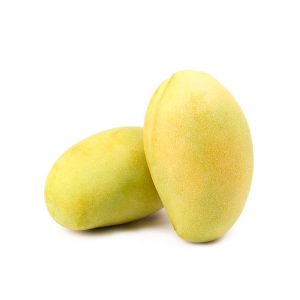
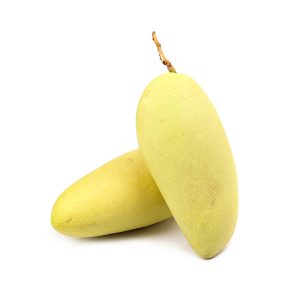
Vietnam Mangoes are the epitome of tropical flavors with exceptional quality. Grown in regions with ideal climate and fertile soil, Vietnam mangoes offer a delicate sweetness, fragrant aroma, and rich nutritional content. They are the perfect choice for international markets, meeting a wide range of demands from fresh produce to processed products.
Mango is a popular tropical fruit known for its sweet taste, juicy texture, and rich nutritional value. Vietnam is one of Southeast Asia’s top mango exporters, benefiting from ideal tropical climate conditions. Key growing regions include Sơn La, Đồng Tháp, Tiền Giang, and Khánh Hoà, producing varieties like Cat Chu, Cat Hoa Loc and Kaew mangoes.
With modern farming practices and certifications like VietGAP, Vietnam’s mango industry is thriving, expanding its presence in global markets and contributing to the country’s agricultural economy.
| Variaty | Kaew Mango |
|---|---|
| Brix | 14 – 16% |
| Taste | Slightly sour; refreshing |
| Size | 350 - 500 gram |
| Meat Ratio | 70–75% |
| Variaty | Cat Chu Mango |
|---|---|
| Brix | 15 – 19% |
| Taste | Mildly sweet; slightly sour after |
| Size | 250 – 650 gram |
| Meat Ratio | 75–80% |
| Variaty | Cat Hoa Loc Mango |
|---|---|
| Brix | 18% - 21% |
| Taste | Sweet-sour; strong fragrance |
| Size | 250 – 700 gram |
| Meat Ratio | 75–80% |
Mangoes are highly nutritious and provide several health benefits. They are rich in vitamins, minerals, and antioxidants, making them an excellent addition to a balanced diet. Key nutrients in mangoes include:
Mangoes are also low in calories, making them a great choice for a nutritious snack or addition to various dishes.
Mangoes thrive in tropical and subtropical climates, where the conditions are ideal for their growth and fruiting. Key factors include:
Climate: Mangoes prefer warm weather with plenty of sunlight. The optimal temperature for growth is between 24°C to 27°C, with little variation between seasons. They require a dry season during flowering and fruit development, as excessive rainfall can hinder fruiting.
Rainfall: While mangoes can tolerate drought conditions, they need around 1,000-1,500 mm of annual rainfall, primarily concentrated in the growing period, to support healthy tree development.
Soil: Mangoes grow best in well-drained, slightly acidic to neutral soils with a pH range of 5.5 to 7.5. Sandy loam or alluvial soils rich in organic matter are ideal for promoting root growth and water absorption.
Altitude: Mangoes grow well in areas with an altitude below 600 meters, where temperatures remain stable and frost-free.
Area: About 19,985 hectares
Varieties:
– Yen Chau mango
– Green-skinned elephant mango
Area: About 3,660 hectares
Varieties:
– Cat Chu Mango
– Cat Hoa Loc Mango
– Kaew Mango
Area: About 17,521 hectares
Varieties:
– Cat Chu mango
– Cat Hoa Loc mango
Area: About 12,500 hectares
Varieties:
– Green-skinned elephant mango
– Small-seeded mango
– Cat Hoa Loc mango
– Kaew mango
Area: About 8,067 hectares
Varieties:
– Taiwanese mango
– Australian mango
– Cat mango
– Four-season mango
– Hoa Loc mango
Area: About 3,668 hectares
Varieties:
– Cat Hoa Loc mango
– Taiwanese mango Loan
– Australian Mango
Area: About 12,040 hectares
Varieties:
– Green Taiwanese mango
– Cat Hoa Loc mango
– Cat Chu mango
– Thai mango
– Kaew mango
– Australian mango
| Criteria | Kent Mango | Alphonso Mango | Nam Dok Mai Mango | Kaew Mango | Cat Chu Mango | Taiwanese Mango |
|---|---|---|---|---|---|---|
| Brix (Sweetness) | 15–18° Brix (sweet; slightly sour aftertaste) | ≥16% (very sweet; characteristic aroma) | 17–20% (super sweet; top in sweetness) | 14–16% (slightly sweet; slightly sour) | 15–19% (mildly sweet; refreshing) | 10–15% (mildly sweet; slightly sour aftertaste) |
| Taste | Sweet-sour; peach; apricot; citrus | Darkly sweet; fatty; floral and vanilla aroma | Mildly sweet; honey flavor; slightly fragrant | Slightly sour; refreshing; less sweet | Mildly sweet; slightly sour aftertaste; refreshing | Slightly sour; crunchy; aromatic light |
| Size & Appearance | Medium-large (340–907g); green skin; red when ripe; deep orange flesh | Small – medium (150–300g); reddish-yellow skin; bright orange flesh | Medium-large (250–550g); yellow skin; sometimes pink; yellow flesh | Large; green skin even when ripe; pale yellow flesh (500 - 1000g) | Medium; pale yellow skin; slightly pink; orange flesh (350g - 500g) | Large; green or yellow skin when ripe; pale yellow flesh (1 - 1.2kg) |
| Texture | Juicy; soft; slightly stringy | Creamy; fatty; stringless | Smooth; melty; almost stringy | Crispy; firm; slightly watery; slightly stringy | Firm; juicy; smooth; stringy | Crispy; juicy; stringy |
| Meat Ratio | 80–85% (high; processing yield good) | 75–80% (thick flesh; few seeds; easy to process) | 85–90% (very high; suitable for production) | 70–75% (lower flesh ratio; many seeds) | 75–80% (well-balanced; easy to process) | 75–80% (lots of water; few seeds) |
| Fiber Content | Very low fiber; easy to dry; and juice | Almost no fiber; perfectly smooth | Almost no fiber; ideal for juicing and drying | Fiber affects product texture | Low fiber; suitable for many applications | Low fiber; easy to process |
| Price | Average; suitable for large production | High; belongs to the premium mango segment | Average – high; but good processing performance | Low; accessible | Average; popular in Vietnam | Average; popular in the market |
| Overall Quality | High; delicious; and suitable for many purposes | Very high; special flavor; suitable for high-end | Excellent; versatile; easy to prepare | Medium; good for making crispy mangoes | High; good for drying; juicing; freezing | High; juicy; crunchy; good for eating fresh or making juice |
| Mango Variety | Sweetness | Sourness | Texture (for drying) | Crispiness | Structure Retention (when frozen) | Juice Yield | Overall Flavor |
|---|---|---|---|---|---|---|---|
| Alphonso (India) | |||||||
| Nam Dok Mai (Thailand) | |||||||
Kaew (Vietnam) | |||||||
| Cat Chu (Vietnam) | |||||||
| Taiwan (Vietnam) | |||||||
| Kent (USA) | |||||||
If you have any questions or need assistance, send us a message. We will respond as soon as possible.
Vietnam Commodity Export offers comprehensive and in-depth information on Vietnam’s sourcing market, highlighting opportunities and challenges across various industries. We help international businesses find quality manufacturers and reliable suppliers in Vietnam, providing the critical insights needed to connect with the best partners and resources in the market.