

Currently, most countries primarily import fresh dragon fruit for consumption. However, the potential for processed dragon fruit products is substantial. Dragon fruit juice, dried fruit, jelly, syrup, and even cosmetics are increasingly sought after in developed markets, signalling a promising future for this exotic fruit.
So, which countries are the largest importers of dragon fruit? The following article provides a detailed overview of the top dragon fruit-importing nations and their preferences for this vibrant fruit.
Which country imports the most dragon fruit globally?
China stands as the world’s leading importer of dragon fruit, consuming approximately 2 million tons annually, which accounts for about 70% of the global output. Despite being a significant producer itself, China’s vast domestic demand consistently outstrips its production capacity, necessitating substantial imports each year to meet consumer needs.
In 2022, China imported 567,700 tons of dragon fruit, valued at 511 million USD, while exporting only 9,000 tons worth 16 million USD. From January to October 2023, imports reached 302,700 tons, valued at 283 million USD, with exports slightly declining to 8,400 tons, valued at 13 million USD.
The majority of dragon fruit imported into China comes from Vietnam, with only minor contributions from Taiwan and Ecuador. During the same period in 2023, Vietnamese imports accounted for 99.97% of China’s total dragon fruit quantity and 99.75% of its import value.
Guangxi province is China’s largest dragon fruit production area, boasting a cultivation area of 340,000 mu, which constitutes about one-third of the country’s total. The expansion of planting areas and increased harvests have led to a noticeable decline in imports. Customs data indicate that in the first half of 2024, dragon fruit imports fell to 206,000 tons, valued at 1.37 billion yuan, marking decreases of 50.4% and 42.9% year-on-year, respectively. This level represents the lowest import volume in the past decade, following the previous low of 237,000 tons in 2019.
Understand more about the dragon fruit market by this article: Where to Import Dragon Fruit

Is the US market for dragon fruit growing?
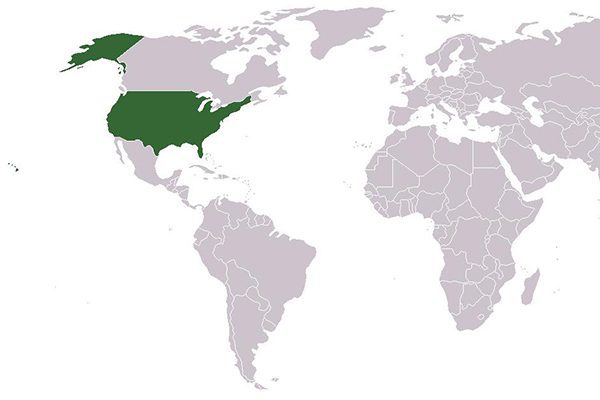
Yes, the United States market for dragon fruit is experiencing significant growth, with import volumes surging by 60% over the past five years and continued expansion expected. In 2023 alone, the U.S. imported approximately 259.90 million kg of fresh dragon fruit, marking a 6.22% increase from the previous year, with the total import value reaching around $350.57 million, up 14.45%.
The U.S. ranks second globally in dragon fruit imports, capturing a 12% market share. This rise in import volume is largely attributed to increasing awareness among American consumers about the fruit’s health benefits. Rich in antioxidants and vitamins, dragon fruit has become a popular choice in many diets.
Currently, the United States sources dragon fruit from various countries based on the fruit’s variety. Vietnam is the largest supplier, exporting primarily white-fleshed and red-fleshed dragon fruit, with an estimated turnover of $250 million. Notably, the first four months of 2024 saw a remarkable 102% growth in Vietnamese dragon fruit exports to the U.S., highlighting the robust demand from the world’s largest economy.
In addition to Vietnam, the U.S. imports dragon fruit from several other countries, including yellow-skinned varieties from Israel and Mexico, as well as competitively priced options from Nicaragua and Ecuador.
Why is dragon fruit demand increasing in India?
Dragon fruit demand in India is rapidly increasing due to its high nutritional value and the country’s large vegetarian population, particularly in major urban areas. India began importing dragon fruit in 2017 from various Asian countries like Vietnam, Malaysia, and Sri Lanka, and over the past five years, these imports have skyrocketed by 300%, averaging between 15,000 and 20,000 tons annually.
The cultivation of dragon fruit in India is expanding rapidly. States like Karnataka, Maharashtra, Tamil Nadu, and Gujarat have initiated dragon fruit farming. However, domestic production currently falls short of meeting local demand, leading to a reliance on imports for the majority of the Indian market. In 2017, India imported only 327 tons of dragon fruit; by 2019, this figure surged to 9,162 tons and has since approached nearly 20,000 tons in recent periods.
The high nutritional value of dragon fruit, combined with the fact that 60% of India’s population is vegetarian, drives significant demand in major urban areas. In cities like Mumbai, Pune, and Surat, dragon fruit prices range from 50 to 120 rupees per kg, with retailers selling the fruit for 60 to 100 rupees each in local markets.
The Indian government is actively working on plans to boost domestic dragon fruit production. However, with demand continuing to rise, the country will likely need to increase imports from countries like Vietnam and Thailand.
What is the dragon fruit market like in the European Union?
The European Union’s dragon fruit market shows steady growth, with annual consumption across Europe hovering around 100 million kg. The Netherlands is the largest importer within the EU, primarily sourcing dragon fruit from Vietnam and other Southeast Asian countries, with imports in 2023 reaching approximately 84.54 million kg, channeled through the port of Rotterdam for redistribution across the continent.
For instance, the dragon fruit market in the UK is valued at $33.2 million in 2023. Demand from the processing and consumption sectors is projected to grow at a compound annual growth rate (CAGR) of 8.3% over the next five years. UK producers are increasingly incorporating dragon fruit into various food and beverage products, including jams, sauces, carbonated drinks, and juices, in response to the rising demand for organic and natural options.
Additionally, Vietnam and several European countries have signed the European Union-Vietnam Free Trade Agreement (EVFTA), which reduces tariffs on agricultural products exported from Vietnam, including dragon fruit. This trade agreement enhances the competitiveness of Vietnamese dragon fruit in the European market, supporting ongoing growth in imports.
To further promote the development of the dragon fruit market, importers from the Netherlands and other European countries are working closely with Vietnamese suppliers to ensure product quality and stable supply. This cooperation not only helps increase product visibility but also helps Dragon Fruit gain a more important position in the European consumer market through marketing and brand promotion strategies.

How is Vietnam leading the global dragon fruit market?
Vietnam is leading the global dragon fruit market by not only consistently expanding its export volume but also strategically investing in innovation through importing high-quality seedlings. As the world’s largest exporter of dragon fruit, Vietnam aims to enhance both yield and fruit quality, ensuring it maintains its dominant position and meets the growing demand for premium fruit in both domestic and international markets.
The imported high-quality seedlings primarily come from countries such as Israel, the United States, and Mexico, which have conducted extensive research and innovation in developing high-quality dragon fruit cultivars. By introducing these superior seedlings, Vietnamese farmers can cultivate dragon fruit varieties that are better suited to market demands.
Furthermore, Vietnam is collaborating with New Zealand to develop new types of dragon fruit varieties. The newly developed varieties include:
- DF14: This variety features white flesh with pink edges and has a delicious taste that is well-received in the market.
- DF16: A special pink-fleshed dragon fruit, appreciated by consumers for its unique colour and flavour.
- DF2: This purple-fleshed dragon fruit is not only visually appealing but also has high nutritional value, aligning well with health food trends.
These newly developed dragon fruit varieties are expected to hit the market by 2027, with plans to cultivate 250 hectares by 2030, further enhancing Vietnam’s competitiveness in the global dragon fruit market.
See further:
- Import Dragon Fruit from Vietnam. A Guide for International Buyers
- Comparison of Vietnam Dragon fruit varieties
Conclusion
The global demand for dragon fruit is steadily rising, with various countries playing significant roles in the import and export markets. China leads the way, accounting for a substantial portion of the world’s dragon fruit consumption, primarily imported from Vietnam. Meanwhile, the United States is experiencing robust growth in dragon fruit imports, driven by increasing consumer awareness of its health benefits. India is rapidly expanding its dragon fruit imports due to a growing urban population and rising health consciousness, while the EU, particularly the Netherlands and the UK, sees promising growth as dragon fruit becomes a sought-after ingredient in various food and beverage products.


